
America’s story is messy, violent, and far from inevitable, but it keeps coming back. This piece revisits a desperate summer in 1776, the trials that followed, and why those hard lessons still matter for our republic today.
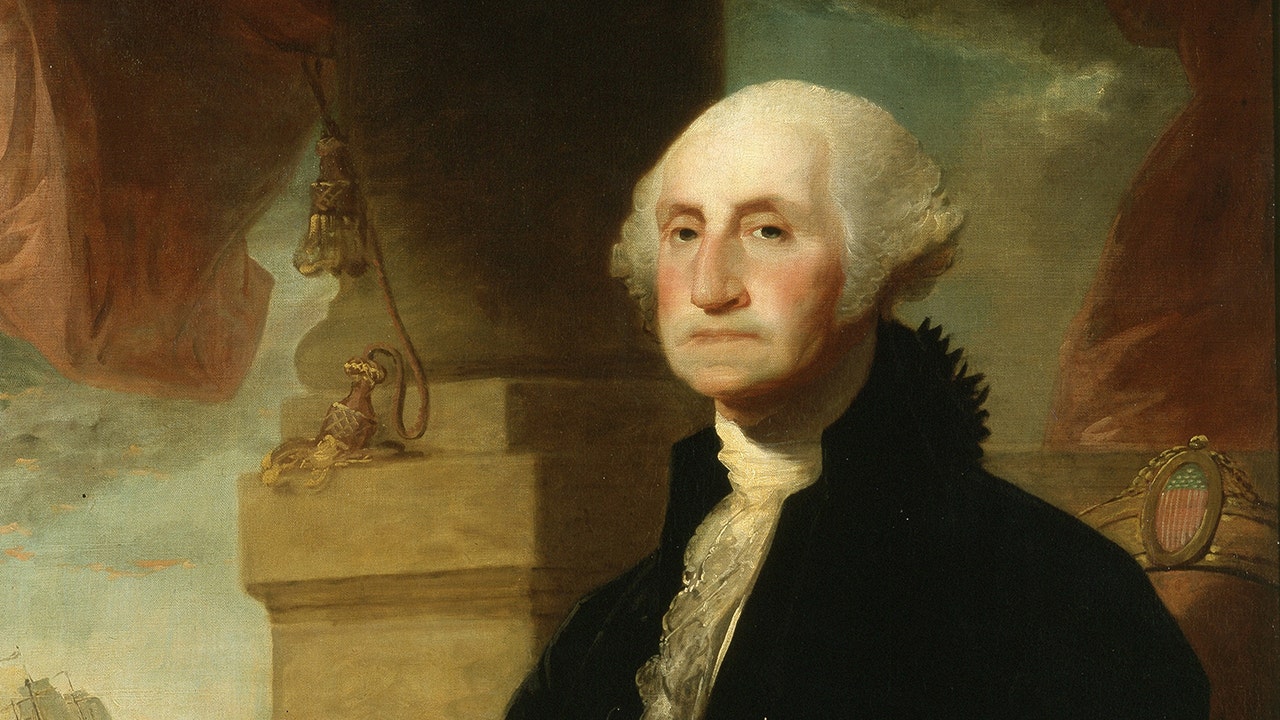
In the summer of 1776, the revolution nearly died. George Washington had marched a patchwork army to Manhattan after forcing the British from Boston, only to face the full weight of a global power when General William Howe arrived with overwhelming force. Outgunned and outmaneuvered, the Continental Army found itself on the ropes as British troops closed in across New York’s waterways.
On the eve of the Battle of Brooklyn Washington rallied his men with a stark charge: “The fate of unborn millions will now depend, under God, on the courage and conduct of this army. Our cruel and unrelenting enemy leaves us only the choice of brave resistance, or the most abject submission. We have, therefore, to resolve to conquer or die.” Those words echoed the stakes: liberty or disappearance.
The retreat from Brooklyn was chaotic and brutal, and the army might have been trapped against the East River if not for a dense, timely fog. That fog allowed Washington to slip away with thousands of troops and fight another day, turning what looked like certain annihilation into a second chance. But the months that followed were filled with defeats, desertions, and a shrinking pool of hopeful men willing to reenlist.
Defeats piled up through the fall and winter, with British occupation of New York and a collapsing morale that threatened the entire enterprise. The Revolutionary period did not end neatly with a triumphant march; it stretched into bitter uncertainty, followed by six years of active war and more before a peace treaty was signed. The early republic was not a steady climb but a stumble forward amid crisis after crisis.
Once the fighting eased, the political experiment barely held together. The Articles of Confederation proved inadequate, prompting a new Constitutional Convention in 1787 and a hard, partisan fight over the shape of national government. Even with Washington’s unanimous election to lead the new nation, factionalism and fierce debate tested the idea that self-rule could survive competing ambitions and sectional interests.
The nation’s trials did not stop. The British returned in 1812, even burning a symbol of our government in 1814, while slavery persisted as a profound stain that culminated in a terrible Civil War claiming some 600,000 to 800,000 lives. Women waited nearly a century and a half after the Declaration for full political voice, and late 19th and early 20th century America grappled with violent unrest, ideological threats, and deadly political assassinations.
Through those storms, institutions and people made hard, often imperfect choices to keep the union alive. Washington set a precedent by voluntarily giving up power, proving a peaceful transfer could anchor a republic. Lincoln’s leadership preserved the nation, and his successors extended mercy enough to help rebuild. Immigrants and minorities gradually joined the national story, and the nation’s economy and innovation grew into the envy of the world.
We say it plainly: America remains a beacon for freedom because her people have refused to accept decline as destiny. Patriots answered calls to arms in world wars, fought totalitarianism overseas, and helped rebuild allies and former foes. The republic’s messy, stubborn progress toward broader rights and opportunity has been uneven but real.
Today the challenges look different but no less daunting: a towering national debt, bitter cultural divisions, hostile ideologies abroad, and fast-moving technologies that threaten disruption unlike anything before. The fog around us feels familiar, like that August night on Long Island — disorienting, dangerous, and strangely liberating when it hides a path to safety.
Meeting those challenges will require the same mix of courage and common purpose that pulled the country through its earliest trials. Many fights will be inward: resisting the temptation to splinter, to shrink from civic duty, to trade principle for convenience. Other battles will be local and practical, fought in classrooms, town halls, and marketplaces where the character of our communities is made or lost.
We do not need illusions about perfection. We need resolve, faith in our founding, and a willingness to stand firm. The revolution’s early hours taught that survival often depends on steady courage more than flawless strategy. If Americans summon that spirit, the fog that now obscures our path could become the cover we need to move forward with confidence and conviction.
