
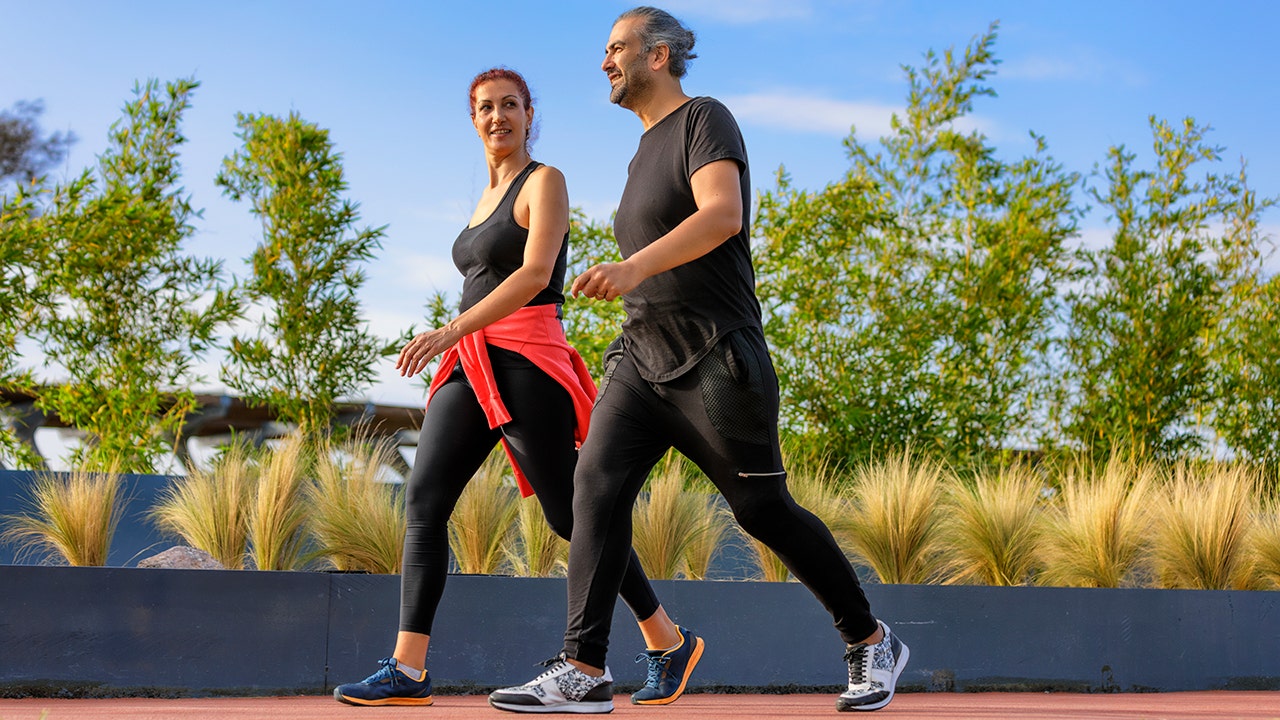
This piece breaks down why walking matters, what to avoid while you walk, and how small tweaks—shoes, speed, and consistency—can turn casual steps into real health gains. It pulls direct tips and exact quotes from an expert who frames walking as a low-risk, high-reward habit worth sharpening. Expect practical takeaways on posture, footwear, strength work, and why walking speed is more than a fitness stat. The goal is simple: make your walks safer, smarter, and more effective.
Walking is one of those underrated habits that touches nearly every part of your body and mind. “Walking has incredible health benefits for your wellness today and your longevity tomorrow,” she said. It helps digestion, supports joints, lifts mood, and nudges hormones into better balance. Treating walking as a foundational habit changes how you approach daily movement.
“Walking improves every system in your body – gut, musculoskeletal, mental health, your hormones – and so it has an incredible power to help optimize how you’re doing.” That line cuts to the heart of why this matters beyond step counts. When you walk regularly, you’re stacking small wins that compound into less pain, clearer thinking, and more resilience.
Phones are the biggest modern hazard on a walk; you can’t multitask awareness. “You could step in a pothole. You could get hit by a car. You could trip over something. You could bump into someone,” she said. “Walking and scrolling is actually a bit of a public health crisis.” Put the screen away, tune into your surroundings, and you’ll cut your risk of injury dramatically.
Neck and shoulder pain often trace back to the downward tilt of screen time while walking. “That can be a problem if you’re someone who struggles with neck pain, back pain or shoulder pain.” Looking up and forward preserves posture and reduces strain, so make eye-level scanning part of your walk. Small posture corrections pay off over months, not just minutes.
Shoes matter more than people assume, and a wide toe box is a big deal. The shoe should be shaped like a foot so that the toes have room to spread within a wide toe box. When toes can splay, the foot activates more muscles and supports a steadier, healthier gait. If you’re unsure about fit, get measured—sizing can vary wildly across brands.
Walking builds the glutes, the core, and the muscles that keep you steady, but it shouldn’t be the only tool in your kit. Strength training and varied movement prevent overuse injuries and improve balance and power. Pair walking with weightlifting, dancing, pickleball, or CrossFit to create a balanced routine that covers endurance, strength, and agility.
“A health stack includes drinking enough water, having healthy nutrition and sleeping adequately — and walking can be added to the other activities,” she said. Think of walking as the steady layer that supports everything else: hydration, sleep, and food quality amplify what walking gives you. Treat it as part of a broader wellness stack, not an isolated chore.
Speed matters. Walking fast is not just for calories; it’s a signal of health. Walking speed is the sixth vital sign of health, according to McDowell. If speed declines, it can flag issues years before other symptoms appear, so monitor pace as you would blood pressure or heart rate.
Most people cruise at roughly 90 to 100 steps per minute, about three miles per hour, but pushing to 120 to 130 steps per minute can unlock greater benefits. That brisk range translates to about three and a half to four miles an hour and burns more calories while improving cardio capacity. Adjust intensity to your fitness level, but don’t be afraid to pick up the pace for parts of your walk.
Consistency beats sporadic effort every time; daily short walks beat a once-a-week long slog. “Everyone is at different places on their walking journey,” she said. “Don’t set the 10,000 steps per day benchmark. That is a marketing myth … Go ahead and find a step count that works well for you, maybe between 5,500 and 7,500.” Find a habitable number and make it regular.
“If you are an efficient walker, you are graceful, you are not wasting energy, you are walking balanced no matter your height, your weight or your age,” she said. Efficiency reduces wear and tear and makes walking something you can sustain for years. Plus, walks are flexible: quick activity snacks throughout the day or longer outings when you have time.
“People are recognizing that these softer, more consistent activities can provide a lot of benefit for our physical and mental health,” she said. “You don’t have to go and crush yourself in the gym. You don’t have to be dripping sweat … It’s something you can do for periods of time throughout the day, little ‘snacks’ that all add up, or you can take longer walks depending on what time is available to you.” Walking can also be social medicine, especially for older adults.
“Walking with an older adult can help combat loneliness,” she said. It improves balance, reaction time, and reduces fall risk while giving people connection and purpose. Whether you’re stepping for fitness, stress relief, or company, smart walking is a simple, effective habit you can carry for life.
