
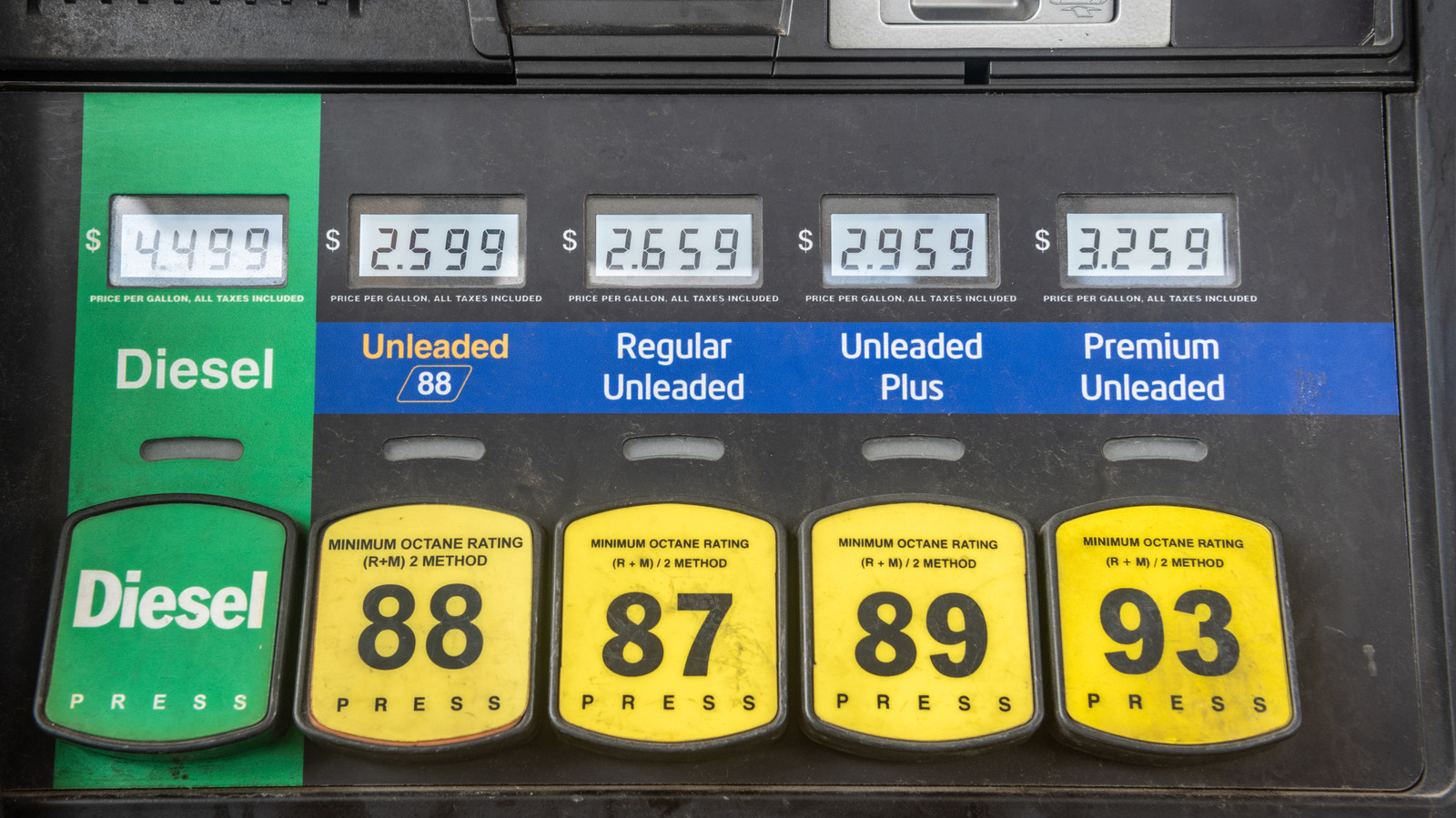
I’ll explain the real differences between 88 and 89 octane fuel, who can safely use lower octane, what to watch for in performance and engine health, cost and availability tradeoffs, and practical steps to pick the right grade for your vehicle.
Octane rating measures a fuel’s resistance to pre-ignition, or knock. The jump from 88 to 89 is small on paper but can matter in marginal engines and systems that already run near their knock threshold. Think of octane as insurance: sometimes you never use it, other times it saves you a repair bill.
Price is the obvious anchor when drivers consider 88 over 89. Stations often price 88 a little lower, and over months of commuting that difference adds up. Availability varies regionally, so your real savings depend on how easy it is to find 88 at competitive prices.
Compatibility is simple to check: look in the owner’s manual. If the manufacturer specifies 87 as the minimum, using 88 usually won’t hurt and can be a cost-friendly choice. If your car calls for 89 or higher, or if it’s turbocharged, supercharged, or high-compression, stepping down risks knock and possible long-term damage.
For most everyday engines there’s little measurable performance gain from 89 versus 88. When the engine doesn’t require higher octane, the onboard computer adjusts timing to avoid knock, and power and fuel economy stay essentially the same. Higher octane matters when the engine is tuned to take advantage of it, or when conditions like towing, high load, or high altitude push the motor toward detonation.
Modern cars have knock sensors that detect mild pinging and dial back timing to protect the engine, which usually prevents immediate damage. But repeated or severe knock can erode pistons, rings, and bearings over time. If you hear persistent pinging after switching to a lower octane, move back up and have the engine checked rather than letting it self-correct forever.
Fuel formulations and additives also play a silent role. Detergents and stabilizers differ between brands and grades, so buying the cheapest 88 isn’t always the wisest move if it lacks cleaning additives your engine benefits from. Ethanol content, which influences energy density and vapor pressure, can vary with region and season; that affects mileage and cold-weather drivability more than a one-point octane change typically does.
There are smart, simple rules to follow: obey the manual first, check how your car runs after a switch, and listen for knock or reduced performance. If you tow, climb steep grades often, or drive a performance car, lean toward the higher octane. If your sedan or commuter truck lists 87 minimum and runs fine, 88 can be a wallet-friendly alternative.
When you do experiment, keep it controlled: try a tank of 88, log fuel economy and drivability for a couple hundred miles, and be ready to refill with 89 if anything feels off. Save receipts if you worry about warranty questions, and treat octane choices as one part of routine maintenance rather than a magic fix for mileage or power.
