
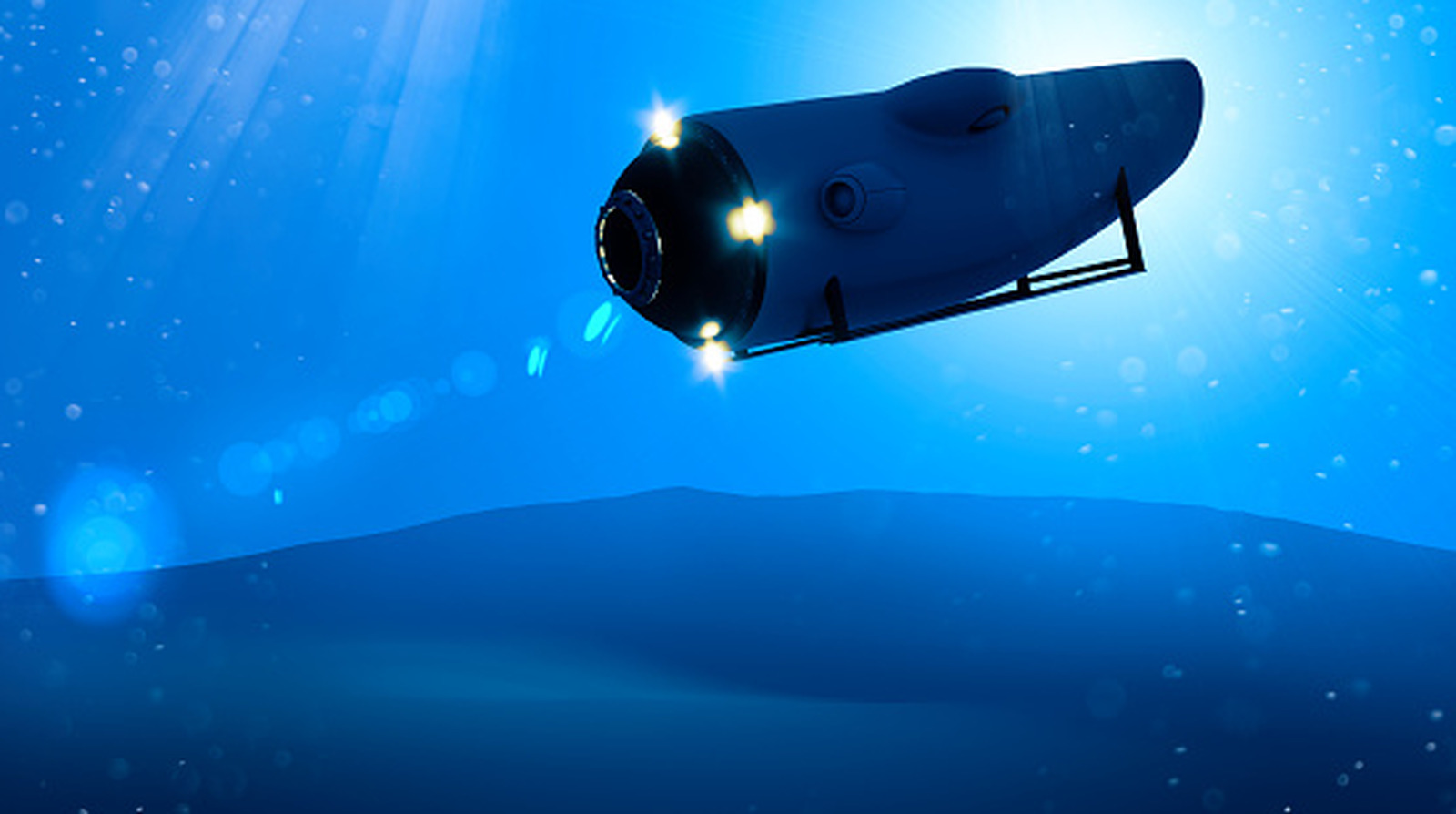
The small submarine Ran slipped beneath Antarctica’s ice shelf, sent to map and measure, and then something unexpected happened: it registered bizarre signals and vanished without a trace. This article walks through what Ran encountered, the reaction from the teams on the surface, the scientific puzzles those readings raise, and the practical challenges of searching in a frozen, hostile ocean.
The mission began as a routine exploration to study sub-ice geology and water chemistry, not a thriller. Ran was equipped with sonar, magnetometers, and temperature sensors designed to operate under thick ice, and the team expected to log high-resolution data on currents and seafloor structure. Instead, instruments returned readings that didn’t match any known template for the area.
Early telemetry showed rapid spikes in temperature near the seabed and acoustic signatures unlike typical glacial creaks or marine life. Those spikes were short-lived and localized, which made them harder to interpret, and then communications with Ran abruptly stopped. The loss of contact came after the strongest of those anomalies, which has fueled intense speculation from scientists and recovery crews alike.
On the surface, the response was immediate and methodical: the support vessel dispatched rescue assets and other remote vehicles to retrace Ran’s last known path. Search teams have to deal with shifting ice above and incomplete maps below, so every minute counts and every maneuver is complicated. Despite drones and sonar sweeps, the under-ice environment resists straightforward scanning, and the search has been painfully slow.
Technically, the readings suggest several possible explanations, each with different implications. One idea is a localized geothermal vent or hydrothermal activity that briefly altered the water temperature and chemistry, producing unusual acoustic feedback. Another possibility is an interaction with trapped gas pockets or methane seeps, which can create transient plumes and confusing sonar returns.
There are also mechanical and electrical possibilities to consider; an internal fault could generate spurious data before a complete systems failure. Ran’s sensors might have mischaracterized routine ice-scattering or equipment noise under rare conditions, producing signatures that look exotic but are mundane. Until the vehicle or its black box is found, hypotheses will be educated guesses at best.
From a scientific perspective, the incident highlights how little we truly know about sub-ice systems and their variability. Antarctic ice shelves and the water column below are dynamic and poorly sampled, which is why missions like Ran’s matter so much. When instruments behave unexpectedly and then disappear, they force a rethink of assumptions and push teams to design more resilient platforms and redundant telemetry.
Operationally, the episode underscores limits of technology in extreme environments and the need for layered contingency plans. Redundancy, fail-safe ascent protocols, and external marking devices can help, but each adds weight and complexity to a submersible already pressed for power and range. The balance between lightweight, long-duration science platforms and robust survivability is a central engineering trade-off in polar exploration.
Logistically, recovery in polar seas is a nightmare by design: ice keels, unpredictable currents, and sub-zero conditions make onboard repairs impossible and salvage a race against weather windows. The support ship’s crew must coordinate with satellite data, airborne reconnaissance, and international partners, all while operating with limited visibility and under time pressure. That reality tempers optimistic timelines and forces practical, cautious strategies.
Public interest and scientific curiosity will keep Ran’s disappearance in the spotlight until more is known, but real answers depend on what the search recovers. If the vehicle or its data storage is found, researchers could immediately narrow down the cause and learn whether the strange readings were environmental, mechanical, or something else entirely. Until then, Ran’s mission is a stark reminder that the polar oceans still hold surprises and that exploration often advances through setbacks as much as success.
