
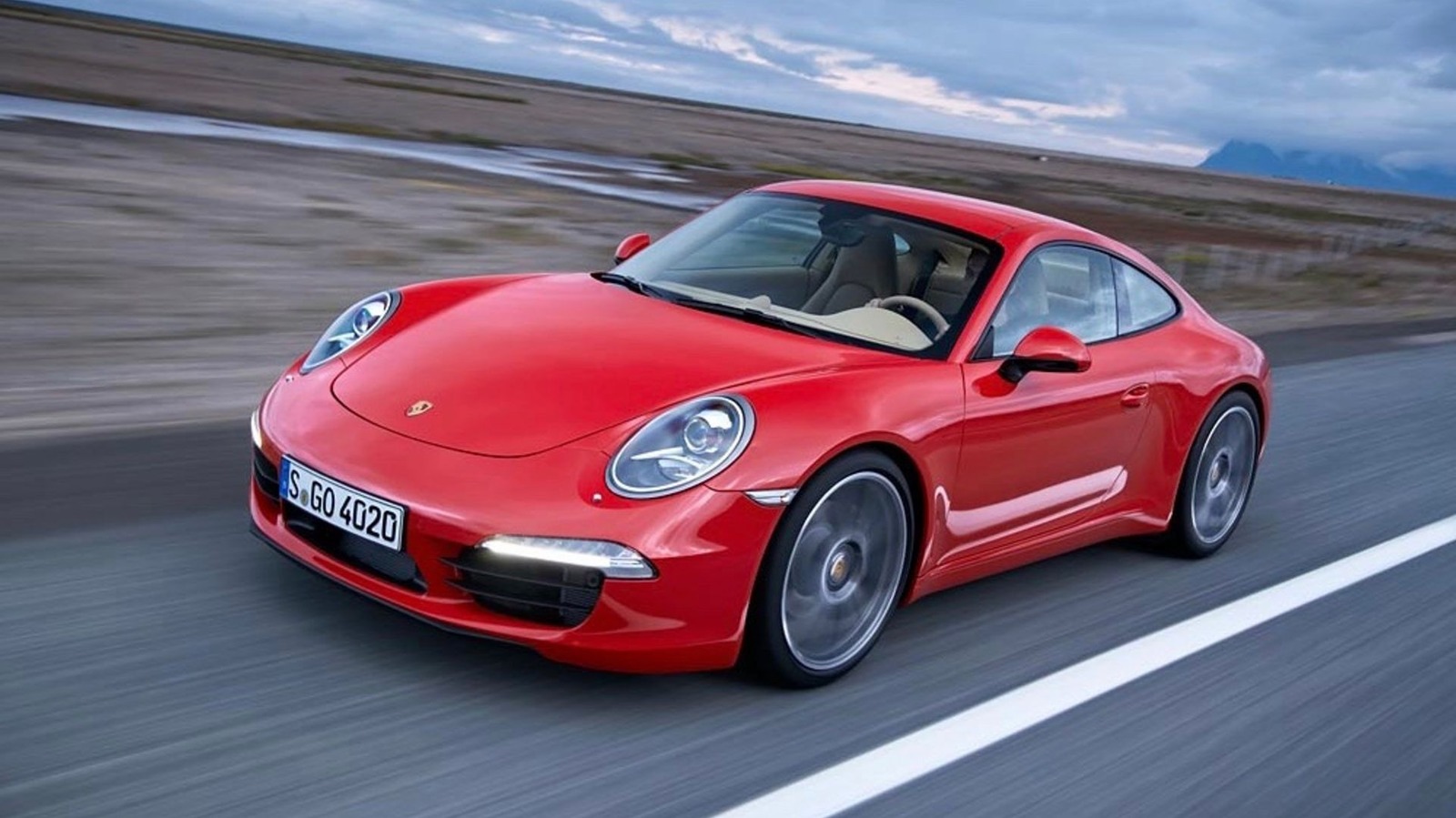
Porsche shook up the manual gearbox world when it introduced a seven-speed transmission in 2012, a bold move that aimed to marry modern performance with old-school driver engagement. That extra gear was meant to give drivers more flexibility at speed while keeping the mechanical connection that purists crave. What followed was a careful, selective rollout that left the seven-speed as a rare and prized option rather than a mass-market offering.
The engineering behind adding a seventh gear was practical and performance-driven. By tacking on one more ratio, Porsche engineers could tighten up shifts for sporty driving and still offer a relaxed final gear for highway cruising. That balance helped reduce engine noise and fuel use at speed without sacrificing the crisp, mechanical feel enthusiasts expect.
Rather than blanket the lineup with the new gearbox, Porsche kept it focused on higher-end cars where buyers were most likely to appreciate the nuance. That meant the seven-speed appeared only on a handful of flagship models, reinforcing its status as a specialist feature. The limited fitment made each manual-equipped example feel like a deliberate choice, not a compromise.
Cost and demand played big roles in keeping the seven-speed rare. Developing a manual that could handle modern power levels, emissions rules and tight production tolerances is expensive, and most buyers these days prefer faster automatic gearboxes. Porsche’s dual-clutch systems deliver quicker lap times and broader appeal, so the seven-speed stayed as a boutique option for drivers who prize involvement over split-second shifts.
On the road, the seven-speed manual delivers a particularly satisfying blend of control and usability. The extra gear smooths out highway revs and makes spirited driving more engaging by keeping the engine in the sweet spot more often. For people who still enjoy heel-and-toeing and perfectly judged downshifts, the gearbox is a gentle reminder that driving can be tactile rather than purely transactional.
That tactile appeal has real-world consequences for desirability and value. Cars with the seven-speed manual have carved out a niche among collectors and enthusiasts who see them as the last stand of analogue engagement in a sea of automation. Limited numbers and selective availability mean these cars often attract attention at auctions and on enthusiast forums, with buyers paying a premium for the experience rather than just the spec sheet.
The future of the manual gearbox in general is uncertain, and the seven-speed sits at that crossroads. Electrification and ever-tighter regulations push automakers toward simpler, more efficient drivetrains, while performance gains from electrified powertrains reduce the practical need for multiple forward gears. Still, there’s a strong argument that manuals will survive as a boutique option from companies willing to cater to driving purists and collectors.
In the end, the seven-speed manual stands as a clear statement about what driving means to some people: a connection, a ritual and a skill. It wasn’t a mass-market gamble but a carefully placed option for buyers who value engagement over convenience. For anyone who still values the mechanical handshake between human and machine, tracking down one of these rare manuals is more than shopping, it’s a small act of devotion.
