
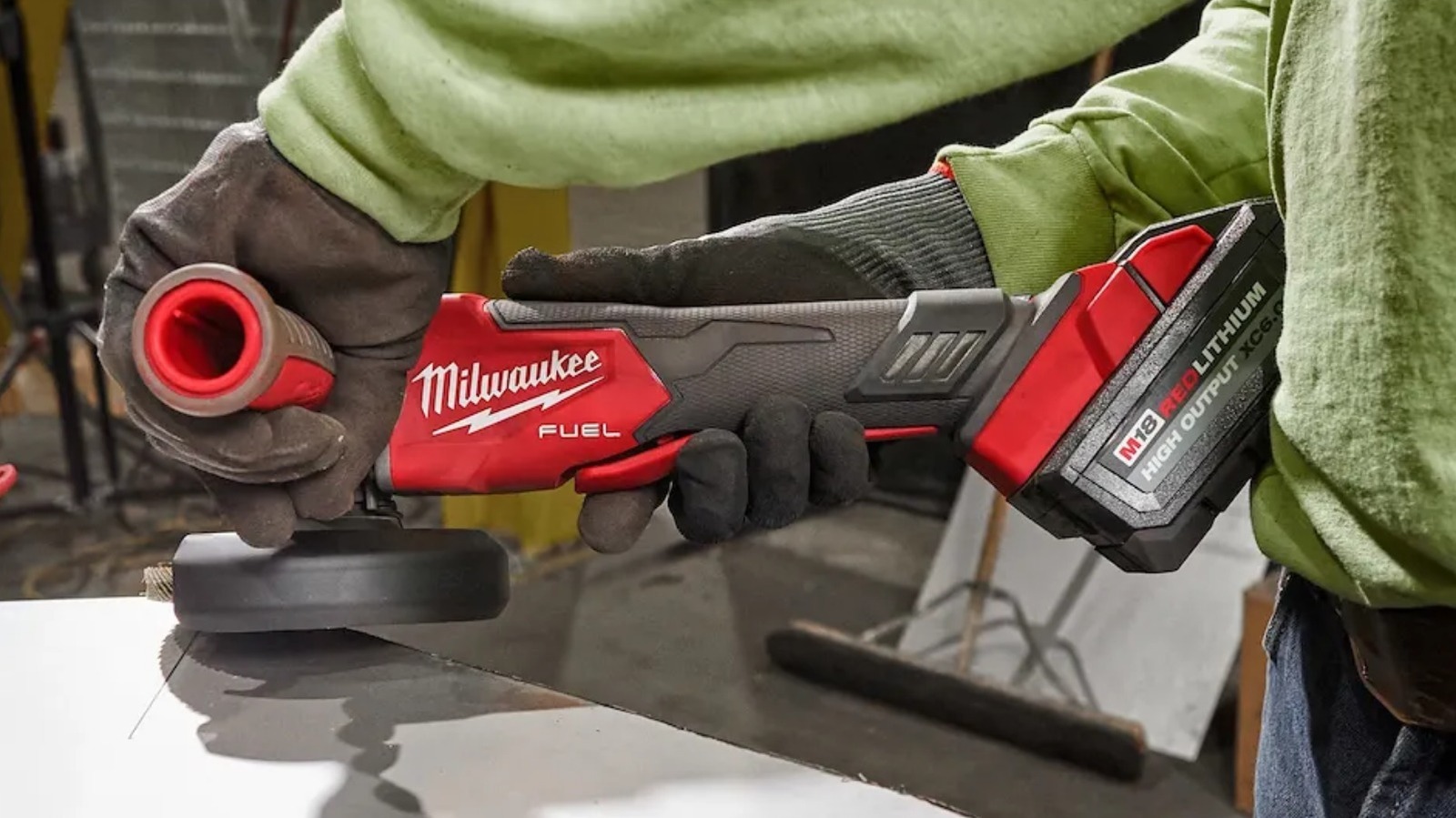
Milwaukee tools usually come with a premium price tag, but this month a wave of discounts is making it easier to add pro-grade gear to your shop without breaking the bank. This piece looks at why these sales matter, which product lines to watch, how to evaluate the real value, tips for matching batteries and accessories, and smart buying moves to stretch your budget further.
If you own Milwaukee already, these deals are a chance to round out your existing system. Milwaukee’s cordless ecosystem is built around compatibility, so adding a drill or impact driver on sale can pay off quickly by letting you share batteries across tools. Even if you are not committed to the brand, a well-timed purchase during a sale can be the most cost-effective way to test the platform without full retail investment.
Not all discounts are created equal, so look beyond the sticker price. Some sales shave off enough to make a true bargain, while others rely on bundled items that may duplicate what you already have. Focus on the tools you will actually use often, rather than buying a flashy kit just because it includes a carrying case or extra bits you do not need.
Battery strategy matters as much as the tool itself. Milwaukee’s battery platforms are extensive, and picking the wrong voltage or pack style can limit future options. If you can, prioritize tools that use the battery family you already own, and when adding a new battery, compare amp-hour ratings, not just voltage, to understand real runtime differences.
Warranty and service are key parts of the value equation. Milwaukee’s warranty and repair network are strengths that justify some of the brand’s premium, but make sure the discounted item does not come with caveats. Check whether the sale includes standard warranty coverage and whether local service centers support the battery and tool line you plan to buy.
Deals often concentrate on certain categories: drills, impact drivers, and cordless saws commonly appear in promotions. These are high-use items where the cost per use drops quickly, so prioritize them if you want the biggest practical return. Specialty or one-off tools can be tempting when reduced, but weigh how often you will realistically use them before committing.
Buy with resale and longevity in mind if you might upgrade later. Milwaukee tools hold value well on the used market, which softens the sting of a purchase that turns out to be one-time use. A well-maintained cordless tool from a major brand can be sold later to recoup a meaningful portion of the outlay, especially when you keep original chargers and battery packs with it.
Timing and retailer strategy can increase savings. Watch for manufacturer promotions that stack with retailer discounts, and check clearance sections where end-of-line items land. If a specific kit is out of stock at one store, search other authorized sellers or wait a short time; inventory can rotate quickly mid-season when suppliers move units through promotions.
Finally, think long term when a deal looks good. Resist impulse buys that duplicate what you already own and focus on tools that integrate with your workflow. The smartest buy is the one that saves time, reduces frustration, and fits the batteries and accessories you already depend on, and right now some of those options are priced to make sense for both pros and weekend users.
