
I’ll walk through how Android’s playful dessert names began, why Google moved away from them, what that shift meant for users and developers, and where the brand might go next in a clearer, more global era.
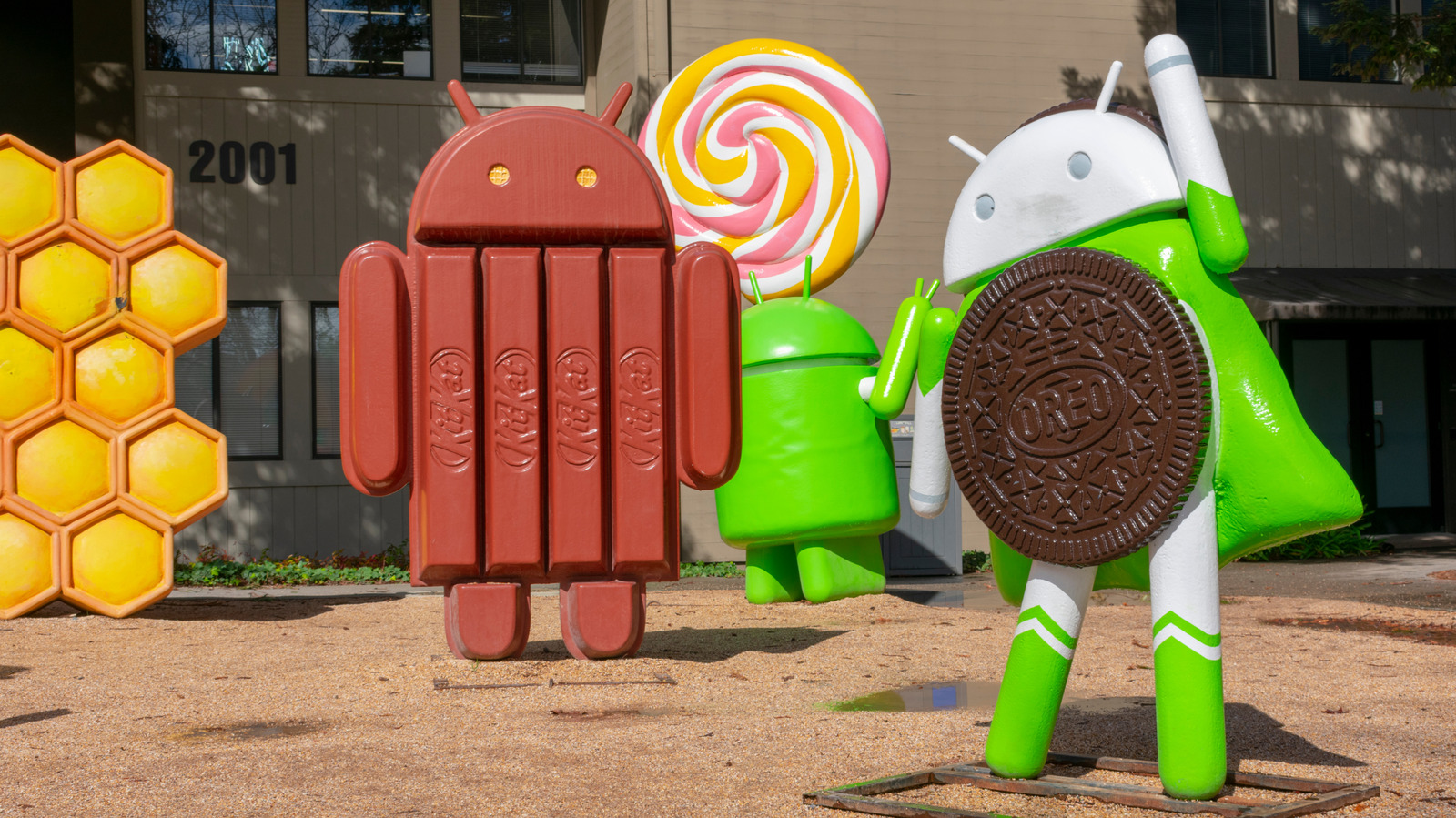
Android’s early identity leaned hard into desserts, and that quirky habit helped the platform feel friendly and fun. Each release brought a new treat: Cupcake, Donut, Eclair, Froyo, Gingerbread and more, names that people could remember and that sparked conversations. Those labels made updates feel less like software releases and more like pop culture moments.
The dessert naming wasn’t just whimsical; it was a marketing win. Press and social media loved the creativity, and the names offered a simple shorthand for generations of Android. Fans collected stickers, compared versions, and used names as cultural touchstones that humanized an otherwise technical product.
But the playful system had practical limits as Android matured and spread worldwide. Many names relied on cultural familiarity with specific sweets, which didn’t always translate internationally or across languages. Trademark entanglements and partner agreements added friction, making some dessert choices tricky to use consistently.
Google’s move to numeric branding with Android 10 marked a clean, pragmatic break from the past. Numbers removed ambiguity and made it easier for users to know which version was newer at a glance. That clarity matters in a global market where simplicity beats insider jokes when people are trying to decide whether to update their phone.
The switch also reflected a shift in focus toward reliability, security, and compatibility rather than playful public rituals. Enterprise customers, carriers, and developers prefer straightforward versioning because it simplifies support and documentation. For an ecosystem with thousands of device makers and millions of users, predictable naming reduces confusion.
Fans reacted with a mix of nostalgia and acceptance; some missed the personality, while others welcomed the cleaner approach. The loss of dessert-themed charm left a gap in developer swag and community memes, but the change made Android easier to discuss in technical and commercial contexts. Over time the novelty faded and the practical advantages dominated conversations.
Even without desserts, Android has kept moments of personality through design choices, Easter eggs, and themed Easter eggs inside the software. Those subtle riffs let Google preserve a bit of fun without relying on public-facing codenames. Engineers and insiders can still use internal nicknames, but public messaging stayed disciplined and accessible.
Looking at specific examples reminds how colorful the old system was: Ice Cream Sandwich bridged tablet and phone design; Jelly Bean brought performance tweaks; KitKat was the first big brand collaboration; Oreo and Pie felt like mainstream milestones. Each name mapped to a distinct shift in Android’s capabilities, giving users an easy memory hook for technical progress.
Today the numeric era also opens opportunities for clearer upgrade paths and simpler messaging around security patches and feature drops. Google can roll out features with less explanation about lineage and more focus on what users will actually experience. That helps carriers and manufacturers coordinate updates without decoding a dessert timeline.
For those who miss the whimsy, the nostalgia isn’t gone — it’s migrated into communities, blogs, and developer lore. The old names pop up in forums, retro-themed events, and collector culture, reminding people how human-centered language once shaped perceptions of technology. That heritage still informs Android’s personality even if it no longer headlines product announcements.
Moving forward, expect Android to keep balancing clarity with character through UI flourishes, marketing campaigns, and community-facing features rather than public version names. The desserts taught a lesson about how branding and culture interact with technology, and Google’s numeric path shows a preference for global clarity in a complex ecosystem. Users and developers adapt, and the platform keeps evolving with fewer crumbs left behind.
