
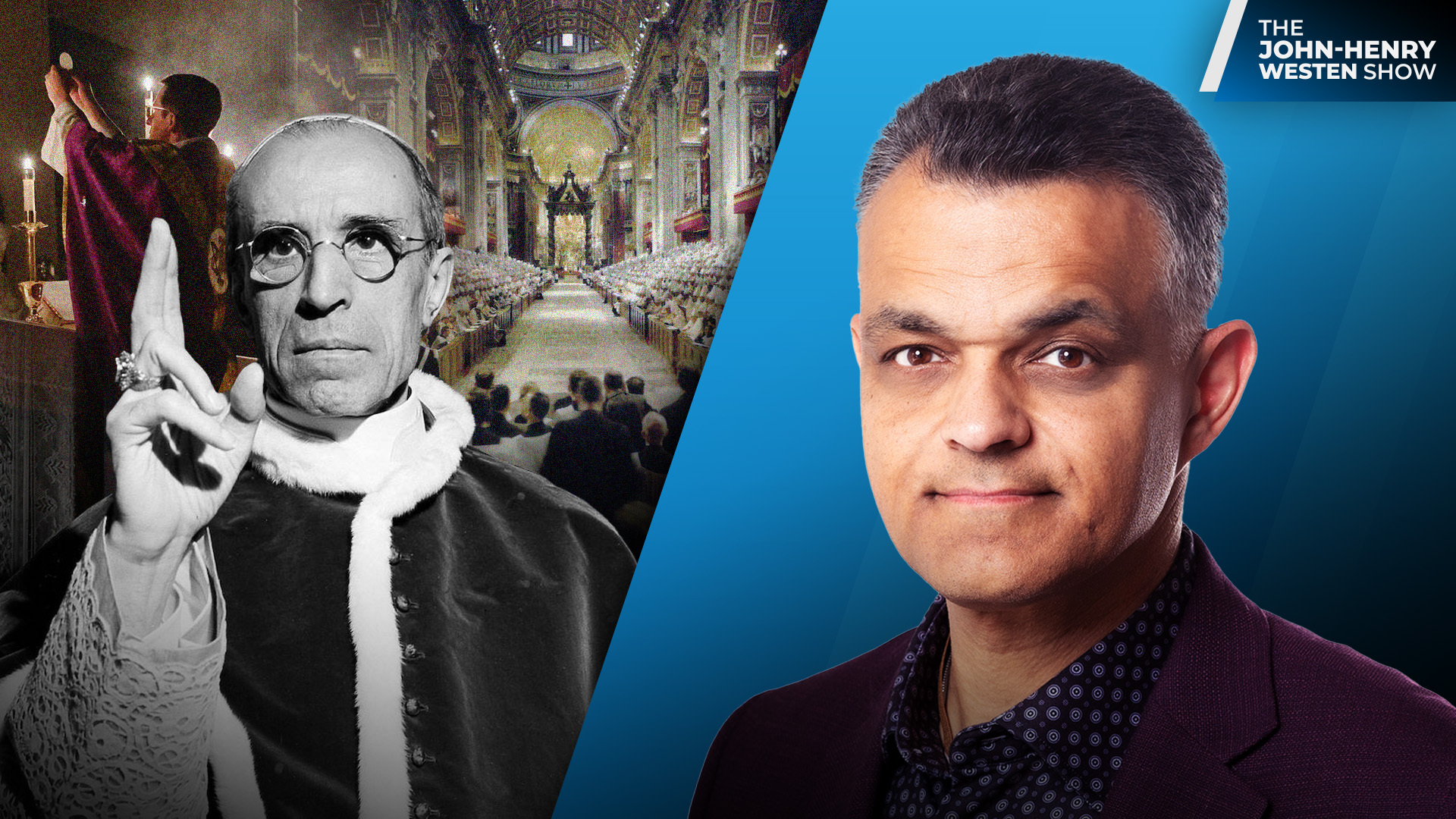
Pope Pius XII commissioned a late encyclical, and newly opened Vatican records show a draft that was never published. This article traces the document known as Cultum Regni, “Worship of the King of Kings”, the circumstances that buried it, and what its reappearance means for how the Church handled theological disputes after World War II. The discovery forces a fresh look at choices made at a turning point in modern Catholic history.
In his final months, Pius XII apparently felt the pressure of an internal crisis and sought a decisive, authoritative response. He wanted a clear statement to confront what he and his advisors saw as dangerous trends within seminaries and Catholic universities. That urgency is part of what makes the draft so compelling now.
The encyclical’s formal name appears as Cultum Regni, “Worship of the King of Kings”, and the title itself signals a theocentric thrust. The draft set out to defend traditional teaching and liturgical practice against reinterpretations gaining ground in academic circles. Its language, according to the archival notes, aimed at doctrinal clarity rather than compromise.
He died before the document could be issued, and the manuscript did not reach the faithful. Rather than publish, the Church moved down a different road in the years that followed, inaugurating reforms and debates that reshaped Catholic theology and worship. That turn has long been debated by historians and clergy alike, especially because the issues Pius XII addressed kept resurfacing after Vatican II.
The recently released archival material highlights passages where Pius XII anticipated disputes that later became headlines in Catholic thought. Instead of vague warnings, the draft reportedly offered concrete critiques of theological positions gaining traction in postwar institutes and faculties. Reading that intention now, many scholars say, is like watching a map of problems that unfolded a decade later.
For those who care about continuity and clarity, the draft reads as a missed opportunity to set a firm course before the maelstrom of the 1960s. For others, it raises hard questions about institutional choices: why was a document meant to defend orthodoxy set aside in favor of a different pastoral approach? That tension between authority and adaptation is the key debate the draft reignites.
Whether the rediscovered text will change contemporary conversations is uncertain, but its existence matters. It offers historians a new primary source and gives clergy a chance to revisit arguments that were never formally settled. For believers and observers, the draft is a reminder that moments of decision echo for decades, and that archives can bring back questions the living Church still has to answer.
