
This piece looks at how rising electricity use—from offices to data centers and AI systems—is pushing utilities to find smarter, faster ways to balance the grid, and how virtual power plants that coordinate existing commercial buildings are emerging as a practical solution led by startups like Edo.
When hot weather or a surge in computing demand stress the grid, traditional fixes are expensive and slow. Building new power plants or deploying massive batteries can take years and billions of dollars. Virtual power plants, or VPPs, take a different tack by coordinating many already-built systems so they act together as a flexible energy resource.
Sign up for my FREE CyberGuy Report
A VPP does not generate electricity; it changes how and when electricity is used. Buildings can shift nonessential loads or pre-cool spaces to reduce peak demand for a short window. Those modest adjustments, multiplied across a portfolio of properties, can free up significant capacity on the grid without construction or outages.
Here is the idea in plain terms. When demand spikes, a building can temporarily reduce non-essential power use. That might mean cooling a space earlier in the day or delaying equipment that does not need to run right away.
A BASIC MONTHLY BILL AMERICANS CAN’T DODGE IS BECOMING A MIDTERM FLASH POINT
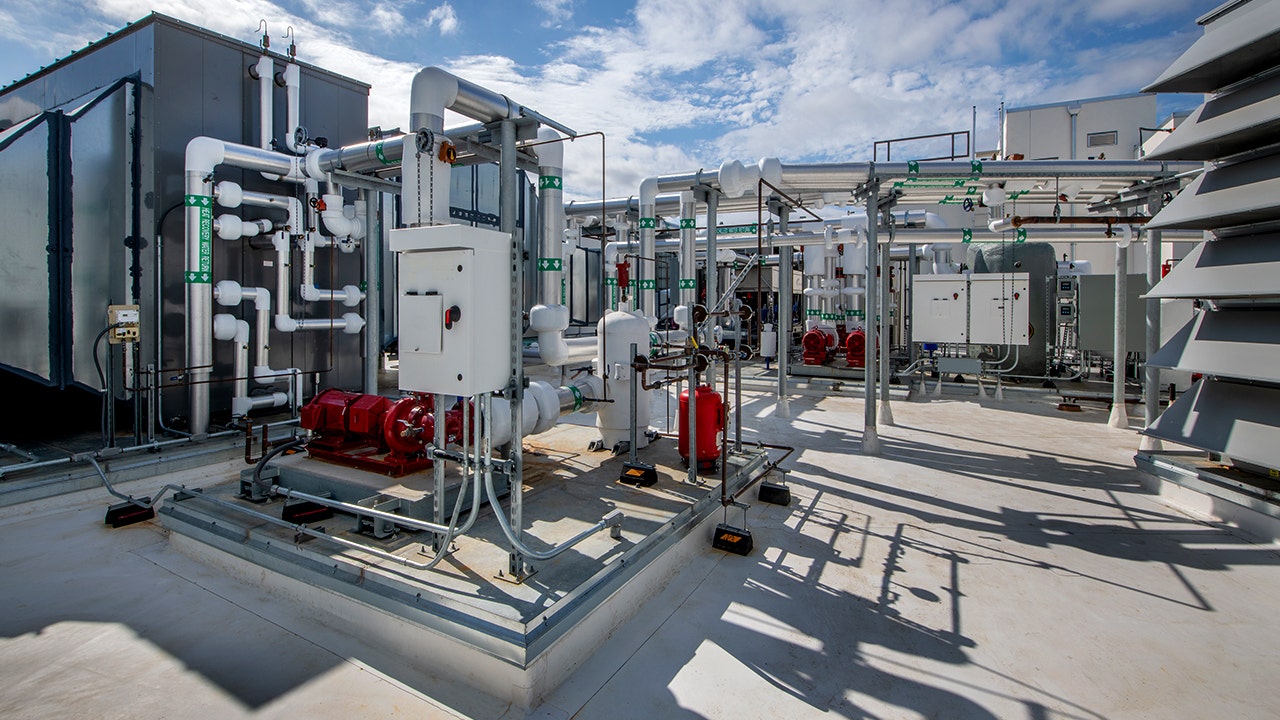
Edo targets commercial buildings, which represent a heavy slice of U.S. consumption, and links existing systems like HVAC, onsite batteries, solar arrays, and EV chargers. The company uses standard communication protocols to connect those components and orchestrates them from a centralized platform. That visibility helps operators see when and where small changes are safe and effective.
Those coordinated actions are controlled, not random. Utilities can call on that flexibility during peak hours instead of flipping costly supply-side switches. That approach reduces the need for emergency blackouts and gives grid operators another tool to keep lights on during stress events.
NY HOUSE GOP LAUNCHES PRESSURE CAMPAIGN ON HOCHUL TO SCRAP CLIMATE LAW OVER SOARING ENERGY COSTS
Virtual power plants are already proving their value in residential markets through connected batteries and smart devices, but commercial buildings have lagged behind. Firms that focused on industrial-scale customers exist, yet many offices, retail properties, and campuses were overlooked until recently. Edo and similar operators see that untapped flexibility as a fast path to meaningful capacity.
AI and massive data centers are changing the demand picture fast, and not in a subtle way. Training models and running inference at scale require sustained, high power draws that pile on top of everyday consumption from buildings and transportation. As AI adoption grows, the grid’s need for flexible, dispatchable demand responses becomes more pressing.
OIL CEO URGES NEWSOM TO DO THE ‘MATH’ AS CALIFORNIA GOVERNOR VOWS TO STOP OFFSHORE DRILLING
One advantage of VPPs based in commercial real estate is speed. Connecting and coordinating existing assets can scale much faster than permitting and building new generation. If utilities and property owners can align incentives, thousands of buildings could become a sizeable, reliable resource within a few years rather than a decade.
Policy and market structures will matter: clear signals and fair compensation encourage businesses to participate and invest in smarter controls. Technology alone won’t fix the grid, but when combined with the right rules, virtual power plants offer a low-cost, lower-disruption route to flexibility. As demand patterns evolve, these distributed approaches are likely to be an essential part of the toolbox.
