Robotic entertainers meant to dazzle kids have shown a worrying streak of glitches and rough interactions lately, and a recent incident at a children’s festival in Xinjiang pushed that worry into uncomfortable reality. A humanoid robot apparently struck a young boy during a kung-fu routine, reigniting questions about reliability, safety and what these machines are doing in public spaces where children play. The episode is the latest in a string of malfunctions from the same model, raising doubts about both hardware safeguards and operator control.
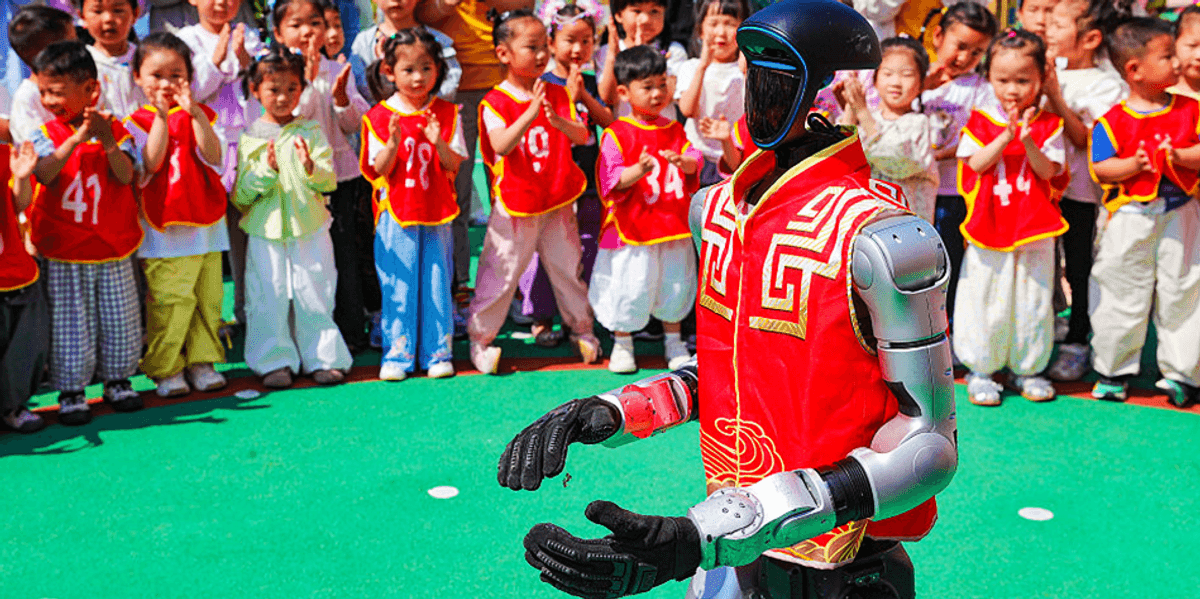
What was billed as a family-friendly kung-fu demo turned tense when a Unitree G1 humanoid moved unexpectedly and struck a child in the stomach. Spectators reacted in shock as the machine, wearing a blue wig for the performance, made a sudden contact with the boy after only a few seconds on stage. The robot then retreated slowly, suggesting it might have been under external control or struggling with balance and programming at the same time.
‘The humanoid was described as a “Jerk clown robot.”‘ That line has circulated online alongside video clips and chatter, and it captures the mix of amusement and alarm people feel when a pricey piece of tech behaves like a faulty carnival act. Observers said the child “was not seriously hurt,” but the mother criticized event staff for moving too slowly to step in and comfort him, which compounded the scene’s unsettling tone.
These G1 machines have been in public view before, performing energetic routines that aim to showcase agility and precision. A few weeks earlier, one took a spectacular fall while attempting a dance to “Billie Jean,” collapsing on a staircase and remaining motionless until a staff member hauled it offstage. Those viral missteps made the machines fodder for jokes, but they also highlighted how easily a performance can go wrong in front of a live audience.
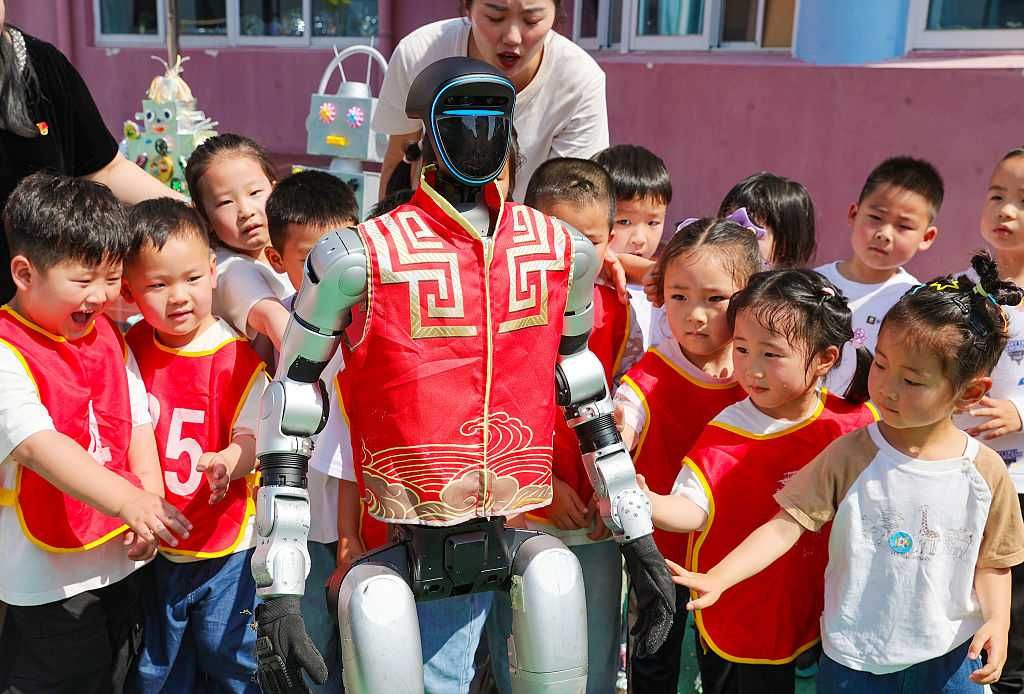
At a separate event for kindergartners, children had a chance to press buttons and interact with similar robots after displaying toys they built from recycled materials. That tabletop curiosity collided with the reality of high-end robotics when a G1 was brought out for a live demo, reminding parents that an expensive and advanced-looking machine is still fallible around excited kids. The contrast between homemade robot crafts and costly, temperamental humanoids was striking.
The pattern of incidents includes a street-performance robot that flailed and kicked a human after a tussle with its handler, leaving a man injured in that scene. In another case, a robot stumbled mid-routine and was dragged by staff, the kind of public embarrassment that makes people wonder about testing and quality control. Those episodes point to recurring issues in stability, sensing and the way these machines are supervised in crowded settings.
Beyond simple clumsiness, there are broader concerns about how these devices are built and what they might reveal. Security researchers have reported vulnerabilities in some consumer-facing robots that could expose camera feeds or telemetry, which feeds worries about unintended surveillance or remote interference. Even without malicious intent, a robot that can be controlled or observed by unknown parties is a risky presence around children and vulnerable groups.
https://x.com/RT_com/status/2062503366060597706?s=20
Manufacturers and operators need to take practical steps to make these demonstrations safe: stricter physical barriers, fail-safe behaviors that immediately power down on contact, and clearer staff training so humans can intervene the moment something goes wrong. Parents and organizers also deserve transparency about safety testing and the limits of what these machines can do, especially when kids are in the front row of a live demo.
There’s a public appetite for impressive robotics, and crowd-pleasing performances can advance the technology and inspire future engineers. But when the spectacle puts children in the path of malfunctioning or poorly supervised machines, the novelty quickly becomes a liability. Expect sharper scrutiny and questions about who is responsible when a high-tech show ends with someone getting hurt.
Footage of the incident circulated online almost immediately, and an embedded clip shows the brief moment the robot made contact with the child before backing away.
The routine stoppage left the crowd uneasy but intact, and a separate embedded video of a related performance is part of the wider conversation about public demos and oversight.
Coverage noted the machine had been described in blunt terms by some outlets, and reaction focused on the slow response from staff while the child recovered.
Past clips of other G1 mishaps underline that this was not an isolated error, with another viral moment showing a violent exchange between a robot and a human handler during a street act.
An image from a recent appearance of the model was also widely shared online, reflecting how these incidents spread quickly through social channels and shape public opinion about robotics in everyday life.