
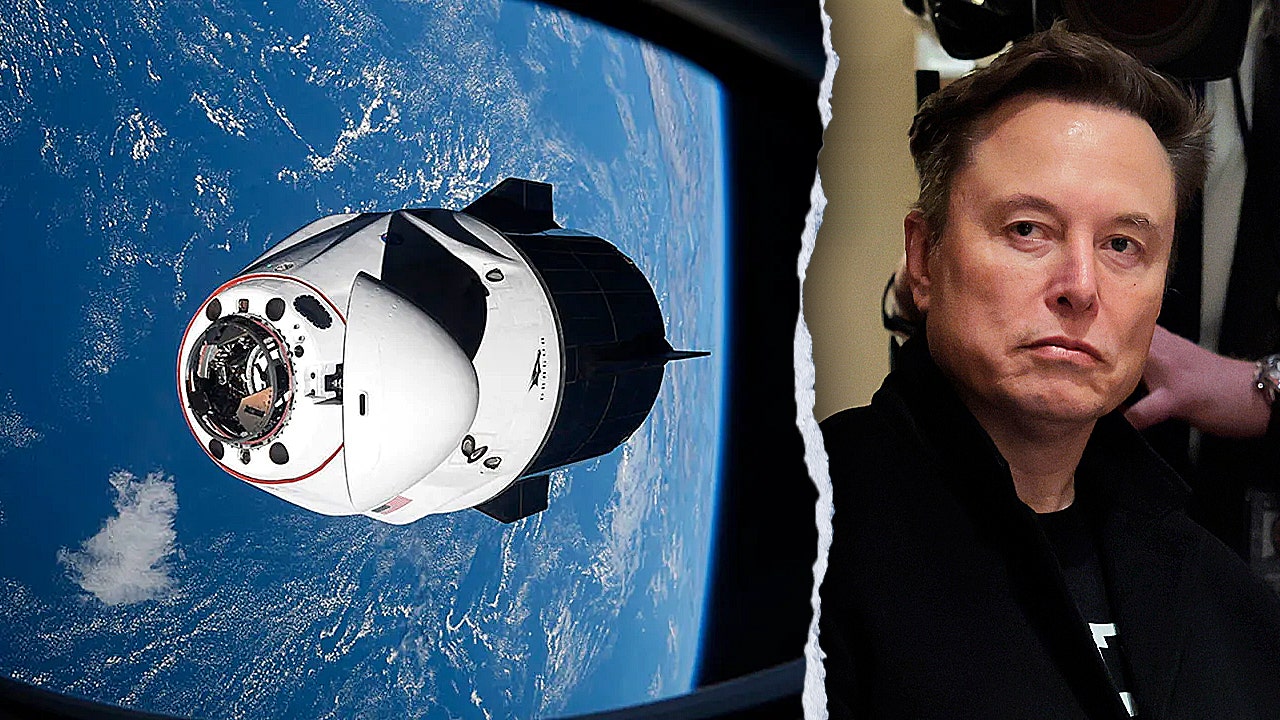
Elon Musk’s rise to trillionaire status is less about a number and more about what his career says about risk, invention and the American environment that made it possible. This piece looks at how an immigrant entrepreneur pushed industries forward, took on near-impossible challenges and benefited from a system that still prizes bold ideas. It argues that the spotlight should be on innovation and opportunity rather than envy over wealth.
When SpaceX went public on June 12 and Musk’s paper net worth crossed a trillion, reactions split instantly. Some accused the system of failing ordinary people, while others cheered a classic success story. Both reactions miss the point: the milestone is a symptom of a larger ecosystem that rewards bold problem solving.
What matters about Musk’s climb is not only how much he has, but where and how those fortunes were built. His path unfolded in a country that encourages innovation, tolerates failure and puts capital behind audacious ideas. That environment is the real story behind wealth, not the number on a balance sheet.
In 1992 Musk arrived in the United States as a young immigrant chasing education and chances. Over three decades he helped create businesses that shook up payments, transportation, aerospace, communications and artificial intelligence. That kind of range is rare because it required access to talent, funding and a culture that lets people try things others dismiss.
LAURA INGRAHAM HAILS ELON MUSK’S SPACEX IPO AS AMERICAN INGENUITY CHANGING THE WORLD
Most entrepreneurs build one notable company. Musk built several. He played a leading role in PayPal and then poured capital and attention into ventures many labeled reckless. Tesla forced an entire auto industry to accelerate toward electric vehicles, changing incentives across the globe.
SpaceX drove down launch costs and proved private firms could take on government-scale projects. Starlink began connecting remote corners of the planet that lacked reliable internet. Projects like Neuralink and work in artificial intelligence keep pushing boundaries most thought were off-limits for private enterprise.
WARREN, SANDERS CRITICIZE ELON MUSK’S TRILLIONAIRE STATUS
The political argument about Musk misses a practical point: he spotted opportunities where others saw roadblocks and kept going. Whether you like his politics is a separate debate. The essential fact is his repeated willingness to enter fields where incumbents and skeptics expected failure.
That dynamic is a feature of the American system. Here, someone with an idea can find investors, recruit workers and compete against entrenched players. The system is imperfect, but it still enables people to try radical solutions and scale them when they work.
TO THE MARKET MOON: SPACEX MAKES HISTORY
Critics often fixate on end results and ask whether one person should hold vast wealth. A sharper question is how that wealth was created. Musk’s value traces to companies that investors voluntarily valued because they believe those firms changed sectors and can keep delivering value.
His firms employed thousands and paid significant payroll taxes while creating opportunities for people across many states and industries. Tesla pushed legacy automakers to innovate, SpaceX strengthened American capabilities in space, and Starlink provided communications where traditional infrastructure could not reach.
Several of these companies nearly failed. Musk has openly discussed times when both Tesla and SpaceX teetered on collapse. Instead of retreating, he doubled down, accepting risk and criticism to try to solve hard problems.
That willingness to persevere through setbacks is the core lesson here. It highlights a broader truth about economic freedom: it allows people to fail, iterate and eventually produce breakthroughs that benefit many, not just a single founder.
At a moment when many ask if the American Dream still works, Musk’s journey serves as a reminder of what opportunity can look like. It was never a promise of guaranteed success, but it was meant to be a chance to pursue big ideas without barriers that exist in far too many places around the world.
