
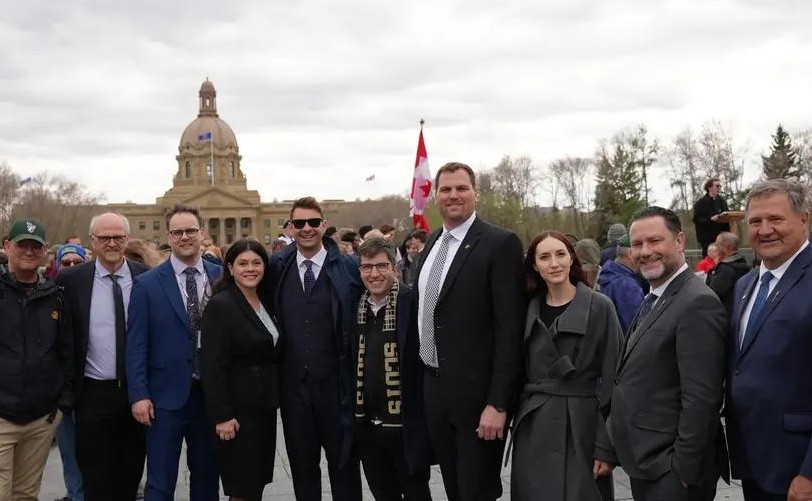
Prolife Alberta highlighted a notable increase in United Conservative Party MLA participation at the Edmonton March for Life, calling it part of a growing pattern of visible support for unborn children. This piece looks at what that presence means, why it matters for voters, and how public leaders are showing what Prolife Alberta called ‘public courage and public witness’ for life. The tone is clear: elected officials are stepping into the public square and that shift is catching attention.
Attendance by elected representatives was more than symbolic; it was a show of solidarity with constituents who prioritize life. When MLAs stand side by side with grassroots advocates, it signals a willingness to be accountable to those voters. For many in the movement, seeing familiar party figures at the march removes the sense that pro-life views are backroom politics.
The trend suggests a broader comfort among conservative lawmakers to be openly pro-life in public settings. That matters because voters reward authenticity and consistency, not whispers behind closed doors. Public events like the march give politicians a platform to connect with families, faith communities, and volunteers who organize year after year.
Calling it ‘public courage and public witness’ captures the dual nature of the act: courage because it invites scrutiny, and witness because it tells a story. Leaders who participate put themselves on the record, which invites both praise and criticism. For a party that values principled stands, this visibility can reinforce a reputation for standing up for what its base believes.
From a practical standpoint, the presence of MLAs also helps move conversations from campaign rhetoric to everyday politics. It encourages dialogue inside legislatures about policy and funding priorities that affect vulnerable lives. When elected officials show up where people gather, they bridge the gap between promises and action in a way that simple press releases cannot.
There are political calculations involved, too. Public participation at events like the March for Life can mobilize volunteers, energize donors, and set the tone for future outreach. It tells the electorate that pro-life values remain a visible part of the party’s identity. For conservative leaders, that clarity can be an asset during elections and in internal party debates.
Critics will call the move performative, but supporters see tangible benefits: meetings arranged, relationships built, and issues kept in the public eye. The difference between a politician who attends once and one who returns every year is obvious to organizers. Repeated presence changes perceptions and opens doors for policy discussions that might otherwise stall.
For activists, the sight of elected officials marching alongside them is validation that their work matters and that the movement is being taken seriously. It creates momentum for local campaigns and gives volunteers a morale boost that translates into sustained engagement. Momentum matters in politics; visible support from MLAs helps keep that engine running.
Ultimately, the growing turnout of UCP MLAs at the Edmonton march reflects a deliberate choice to be seen and heard on a contested issue. It signals to voters that leaders are willing to shoulder the political cost of public principle. Whether you agree or disagree, the fact that more politicians are choosing the public square is shaping how the debate over life is conducted in Alberta politics.
