
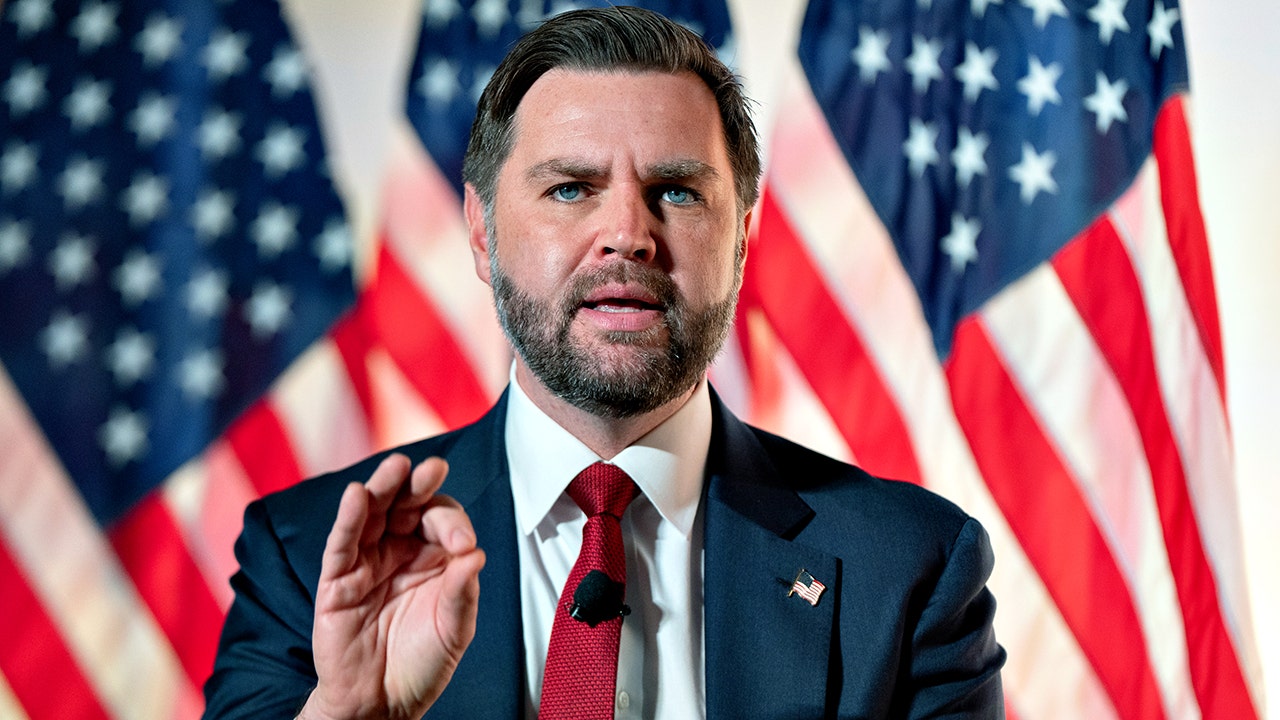
This piece looks at how a new, Trump-led anti-fraud push under Vice President JD Vance is changing the way Washington fights theft from taxpayers, shifting from weak recovery tactics to proactive prevention and enforcement that aims to protect critical programs and return billions to Americans.
For too long federal policy treated fraud as an annoying cost of doing government business, tolerated quietly while programs meant for Americans drifted toward insolvency. That passivity let scammers and bad actors, some operating across borders, siphon funds meant for the needy. The result was hollowed-out trust and stretched services for families who actually qualify.
The counterpunch came with a clear political choice: clamp down or keep pretending it doesn’t matter. President Donald Trump and Vice President JD Vance put fraud at the center of the agenda and assembled a task force to use every tool of government against crooks. This is not symbolism; it is a sustained operation designed to make fraud a risky, losing proposition.
Vance, as vice chair of the task force, helped set a tone that no fraud is too small to pursue. “We [did] not prosecute fraud in this country if it’s under $1.5 million dollars per year.” That frank admission about past practice helped explain why thieves once treated taxpayer programs like open season. Changing that expectation is the core of the strategy.
Old federal practice often amounted to a pay-and-chase mentality — hand the money out first, then try to claw some back later — and that was costly and stupid. Previously, agencies routinely let bad payments go forward and only investigated afterward, which made recovery slow and partial. That approach is being scrapped for preemptive checks and tougher follow-ups, and the results are already visible.
New tactics emphasize screening at the application stage instead of waiting until money disappears. Advanced forensic accounting and smarter data tools, including AI-driven pattern detection, are being used to spot inconsistencies and deception before payments clear. The task force is widening its sights beyond just healthcare, targeting SNAP, student loan programs, small business loans and other high-risk areas.
Enforcement has gone from desk work to action: search warrants, criminal referrals and targeted takedowns are now routine parts of the playbook. The Justice Department’s new Fraud Division has signaled it will use the full force of criminal law when needed, and local crackdowns in places like Minnesota and Los Angeles are examples of operations that once would have been unthinkable. When investigators move quickly, fraud rings crumble faster.
Even administrators who oversee massive programs are getting tougher. Officials have removed suspicious providers from systems and shut down bogus operations, and those moves are sending a clear message that gaming the system will have consequences. That kind of decisive action both protects funding streams and restores moral clarity to federal programs.
https://x.com/JDVance/status/2054710026787283088?s=20
Money matters. Tens of billions in suspect payouts have been identified and redirected toward legitimate needs, and significant recoveries are now complemented by criminal cases that carry real penalties. Reallocating those funds back to federal coffers strengthens programs for citizens who rely on them and makes it harder for criminals to treat America as a soft target.
The reform effort is also contagious: congressional committees, state officials and agencies are copying elements of the task force approach, and investigative reports have added pressure for accountability. When one part of the system cleans up, it forces connected programs to follow or face exposure. That multiplier effect is how policy converts into real change.
Too many recent vice presidential initiatives have been talk rather than results, but this one is different because it mixes plain speech with direct action. Vance and his partners have chosen a strategy that aims to protect taxpayers, preserve social programs, and punish those who exploit generosity for profit. Putting up with fraud was a choice; now there’s an alternative being enforced.
For Americans tired of seeing their contributions diverted, the new posture offers relief and deterrence. Choosing to stop tolerating fraud is part of choosing to defend national resources and civic order. Vice President Vance, thank you for choosing America.
