
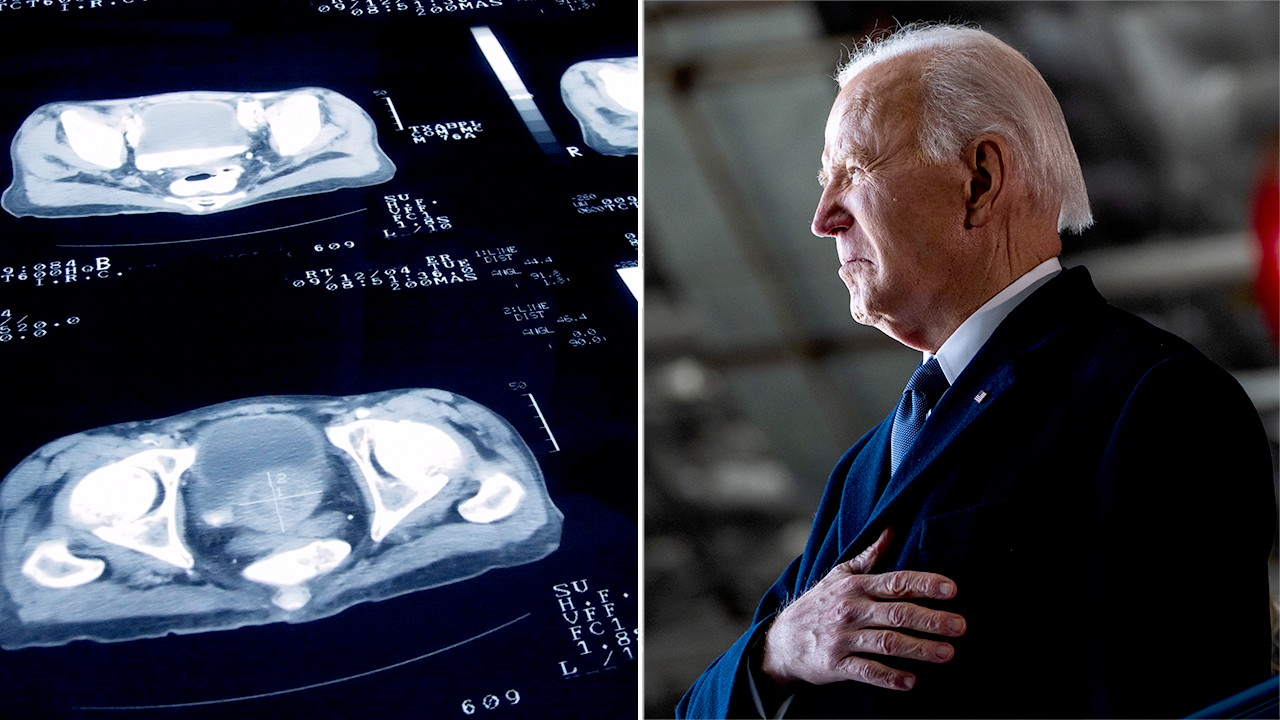
Joe Biden has been diagnosed with a serious form of prostate cancer, a development that has raised concerns due to its severity. The former president, who is 82, is dealing with a cancer type characterized by a Gleason score of 9, indicating a high-grade cancer that has spread to his bones. Despite its aggressive nature, Biden’s cancer is hormone-sensitive, offering potential for effective management through treatments that his family is currently exploring with medical experts.
For those unfamiliar, the Gleason score is a system used to grade the aggressiveness of prostate cancer. Dr. Arpeet Shah, a urologist not involved in Biden’s care, explained to Fox News that the score assesses how different cancer cells look compared to normal prostate cells. Scores range from 6 to 10, with higher scores pointing to more aggressive cancers, and Biden’s score of 9 suggests a particularly aggressive form.
Prostate cancer, much like breast cancer, can vary significantly in its presentation and treatment options. Fox News medical contributor Dr. Nicole Saphier shared insights into Biden’s condition, confirming that it is stage 4, which typically presents a significant challenge in terms of survival rates. However, the fact that Biden’s cancer is hormone-sensitive provides some room for optimism, as there are various treatments available that can prolong life even with advanced cancer.
Cancer specialists assign Gleason scores by examining the appearance of cancerous cells in prostate tissue. A score of 6 indicates low-grade, slow-growing cancer, while scores of 8 to 10 suggest a need for more aggressive treatment approaches. Shah highlighted the importance of early detection, noting that regular screenings could lead to earlier diagnosis and potentially better outcomes.
In Biden’s case, the advanced stage of his cancer means it has metastasized, a term used when cancer spreads from its original site to other parts of the body. Dr. Saphier pointed out that while stage 4 is serious, advancements in treatment mean patients can still live for many years. The focus now is on managing the disease so that there is no evidence of progression.
Treatment strategies for hormone-sensitive prostate cancer often involve surgery or medication to curb testosterone production, which fuels cancer growth. This approach doesn’t cure the cancer but can significantly slow its progress, allowing for a manageable quality of life. Biden and his team are weighing these options as they move forward with his care plan.
The news of Biden’s diagnosis has sparked a broader conversation about the importance of regular cancer screenings. Health experts stress that early detection through PSA blood tests and digital rectal exams plays a crucial role in identifying prostate cancer before it advances to more severe stages. Such proactive measures could potentially change the trajectory of a patient’s treatment and outcomes.
Biden’s situation serves as a reminder of the complexities involved in cancer management. While his diagnosis is serious, the medical community’s advancements in understanding and treating prostate cancer provide hope for effective management. The focus remains on exploring all available options to ensure the best possible outcome for Biden and others facing similar challenges.
Dr. Shah emphasized that the Gleason score, while just one tool, is vital in guiding treatment decisions and helping patients understand their options. As Biden’s team continues to consult with his physicians, they aim to find the most suitable path to manage his condition effectively. The journey ahead may be challenging, but with the right approach, the possibility of living with stage 4 cancer is within reach.

1 Comment
That tu rd will probably outlive me.