
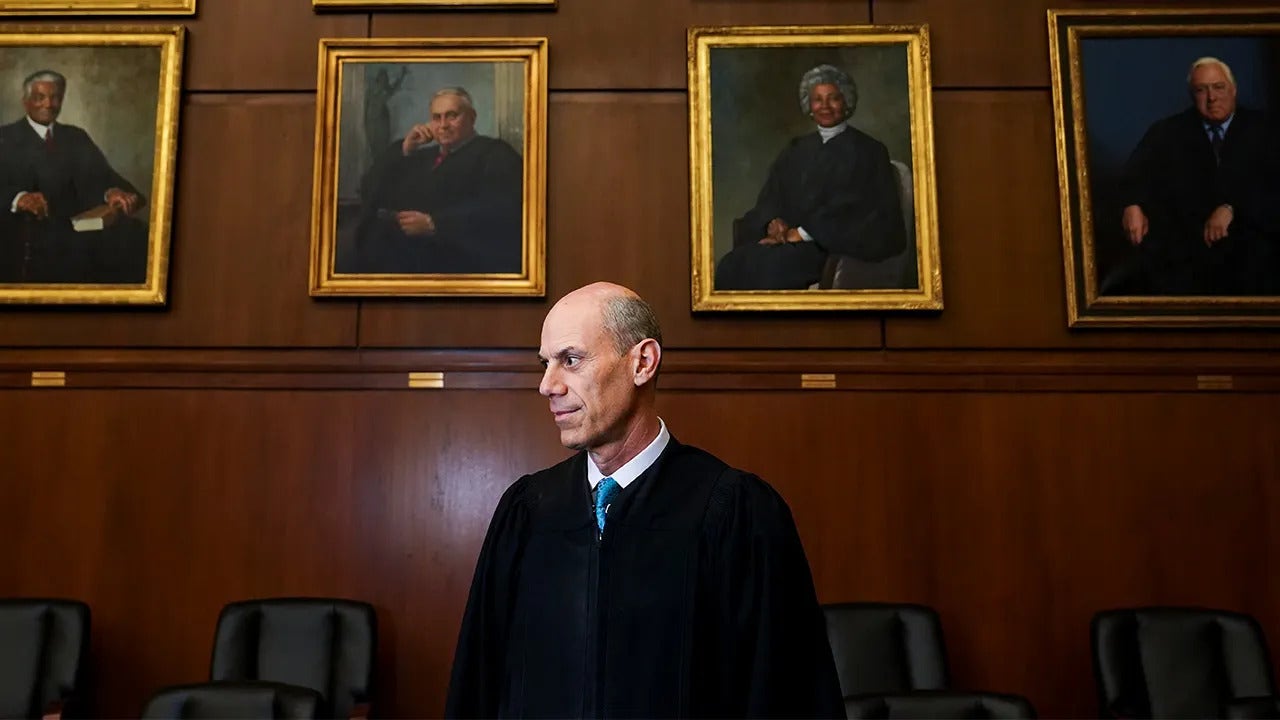
Chief Judge James Boasberg is back in the spotlight, and not in a good way. A dispute over political graffiti, pro-life sidewalk messages, and selective enforcement has turned into a larger argument about whether the court is applying the law evenly or stretching its own power past the finish line.
The latest fight centers on a case where pro-life activists were arrested after writing, “Black Pre-Born Lives Matter” in chalk, while nearby Black Lives Matter messages were left alone. That contrast matters because the whole complaint is about viewpoint, not just graffiti, and the plaintiffs argue they were treated differently for what they said, not what they did.
Boasberg has already drawn sharp criticism for dismissing the case without letting it go before a jury. On appeal, that decision was put under a harsher lens, with the higher court saying the wrong legal standard had been used and sending the matter back for another look.
The problem, at least for Boasberg’s critics, is that the second look did not produce a second chance. Instead of opening the door to a trial and letting the facts breathe, he again shut the case down, even though the plaintiffs said discovery had already produced evidence showing uneven enforcement.
That is why the controversy has spread beyond one sidewalk and one chalk message. It has become a test of whether a judge can look at alleged bias in law enforcement and then wave it away simply because he is unconvinced by the plaintiffs’ version of events.
The earlier round of criticism came from a separate clash involving subpoenas in the probe of Fed Chair Jerome Powell. Boasberg was accused of leaning too hard into his own view of the case, with observers saying his opinion showed hostility toward Trump and a loose grip on the limits of judicial power.
That broader concern is what some legal watchers now call “Boasberg’s Law,” a pattern in which the judge is said to use an overly broad view of his authority when political fights land in his courtroom. The phrase has stuck because it captures the frustration of people who think the judge is not just ruling against Trump, but doing so in ways that invite reversal.
The D.C. Circuit’s handling of the free speech case gave that frustration more fuel. The appellate court emphasized that the First Amendment bars government discrimination based on viewpoint, and that the protection reaches not only laws on paper but also the way those laws are enforced in real life.
That point is the heart of the matter. If one group can write one message and walk away while another is arrested for a competing message, the question is not whether the city likes one slogan better, but whether the government is playing favorites with speech.
The record, according to the pro-life groups, included bodycam footage and other evidence showing officers watching BLM-related defacement without stepping in. They also pointed to statements from police officials that they say supported the claim that the city treated protests and graffiti tied to BLM differently than their own chalk messages.
Boasberg, though, was not persuaded. He rejected the idea that the groups were similarly situated to the BLM protesters, and he treated the evidence as too weak to justify a jury hearing the case at all.
That is a bold move in any case, but especially one involving alleged selective enforcement. When a judge cuts off a trial before witnesses and a jury can weigh the facts, the burden shifts heavily onto the court to show that the claims truly fall apart under scrutiny.
Instead, the court’s critics say, the judge took a subjective path and turned his own view of the evidence into the final word. That is exactly the kind of thing appellate judges tend to dislike, especially when the standard at that stage is supposed to favor the side opposing dismissal.
The backlash also fits a larger frustration many conservatives have with the judiciary in politically charged cases. They see some judges preaching restraint to elected officials while showing very little restraint themselves once a case lands on the bench.
And that is why this story keeps snapping back to the same core issue: equal treatment under the law. If a courtroom starts sorting speech by message instead of principle, the legal system stops looking neutral and starts looking selective, which is a dangerous place for any republic to drift.
