
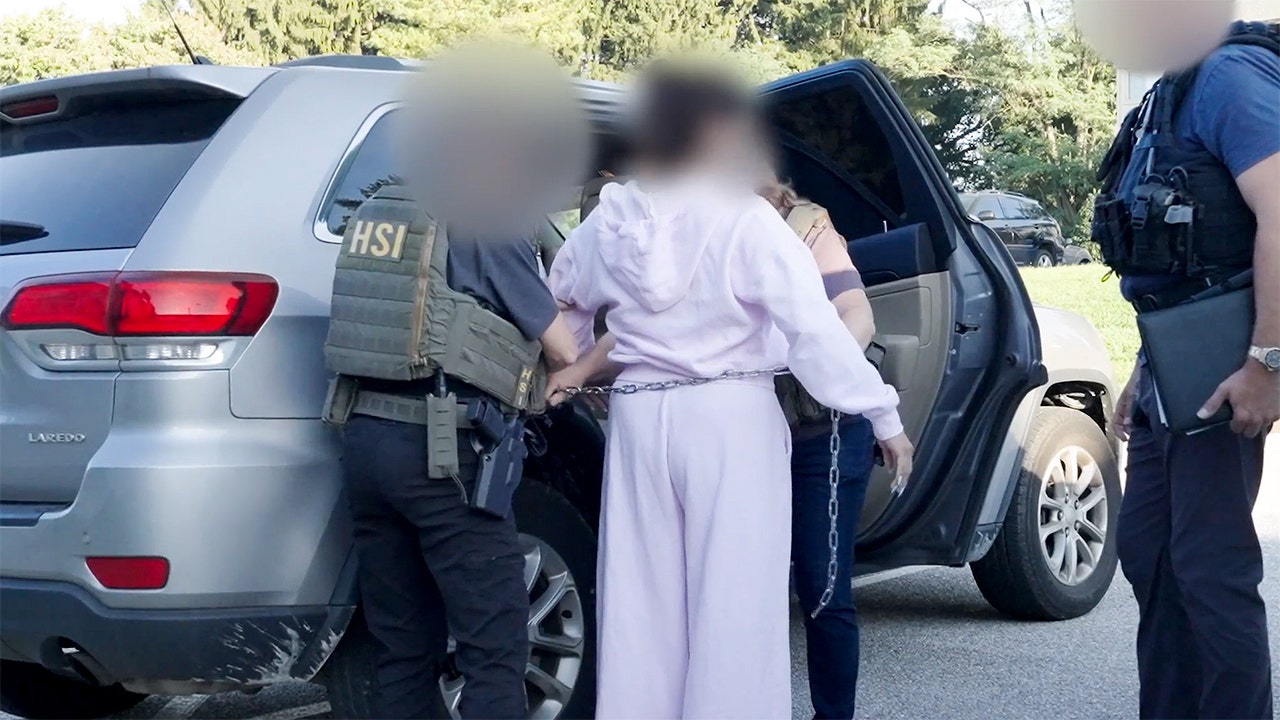
Election fraud accusations are once again stacking up across the country, with federal prosecutors pursuing cases tied to noncitizen voting, fake registrations, stolen identities, and ballot petition schemes. The latest wave of charges stretches from Louisiana and California to Kansas, Massachusetts, Texas, and beyond, while the White House says the pattern only reinforces its push for tighter election security.
In several of the newest cases, the Justice Department says people who were not U.S. citizens still got tangled up in the voting system anyway. One Louisiana case centers on former mayoral candidate Bridget Johnson and Jamaican national Michael Wedderburn, with prosecutors alleging she registered him to vote and he later cast ballots in both a federal election and the race she was running in.
The allegations do not stop there. Federal officials also say a number of defendants across the country are facing charges ranging from illegal voting to false claims of citizenship and identity fraud, all part of a broader crackdown the administration says is overdue. White House spokeswoman Lauren Bis said the evidence of noncitizens registering and voting “continues to pile up,” and added, “Any noncitizens found registering and voting in our elections will be arrested and held accountable. Only Americans should be electing American leaders.”
California prosecutors have also brought a case tied to ballot initiative petitions, and the details are messy in a way that feels very familiar to anyone who follows election integrity fights. According to investigators, James Brass and Courtney Price allegedly went to Los Angeles’ Skid Row, used stolen identities belonging to registered voters, and paid people to copy personal information onto petitions and forge signatures.
That case also includes allegations against Jateisha Herron, who prosecutors say falsely certified that she personally witnessed the signatures. Brass allegedly received about $41,600 from coordinators tied to a petition-management company, showing how much money can move through these schemes when the system is treated like a hustle instead of a public trust.
Skid Row has already come up in another election-related prosecution this year, which makes the California allegations even more striking. In May, federal prosecutors said a longtime ballot signature collector paid people, including homeless individuals living on Skid Row, to register to vote, adding another layer to an already ugly picture.
Kansas brought its own case into the spotlight when prosecutors charged Peruvian national and permanent U.S. resident Mariana Alexandra Dewey with falsely claiming citizenship, fraudulent election conduct, and voting as an alien in a federal election. In Massachusetts, federal prosecutors announced charges against Nigerian national Gladys Adaeze Okafor, who allegedly claimed U.S. citizenship while registering before casting ballots in multiple federal elections.
Texas has turned into another major battleground. Prosecutors there have filed several cases involving people who allegedly registered illegally while applying for a state driver’s license, and one Mexican national was sentenced to 36 months in federal prison for aggravated identity theft, false statements of citizenship, and illegal voting by an alien.
The pace of the prosecutions suggests the issue is not just a handful of isolated mistakes. Less than two weeks ago, the Justice Department charged five people in Pennsylvania, New Jersey, and Wisconsin over alleged illegal voting or fraudulent registration tied to the 2022 and 2024 elections, and last week an Indian national in Minnesota was charged with falsely claiming U.S. citizenship to vote in the 2024 general election.
Even with those cases piling up, the administration took a hit in court this week. The Supreme Court ruled that the U.S. Postal Service could not carry out the president’s stricter mail ballot requirements for the 2026 elections, leaving a lower court injunction in place and stopping the rules from taking effect for now.
The blocked rules would have required specially designed mail ballot envelopes with unique voter barcodes, plus USPS review of envelope designs and additional information about intended ballot recipients. The ruling did not stop a separate part of the March executive order aimed at creating citizenship lists that states could use when checking voter rolls, which keeps that fight very much alive.
Justice Brett Kavanaugh said the changes should not take effect this cycle because state and local officials did not have enough time to implement them, though he also wrote there was “at least a fair prospect” that the Postal Service ultimately has the authority to impose the requirements. Justices Samuel Alito and Clarence Thomas dissented, and Trump called the ruling another “bad decision,” saying it would make mail ballot cheating easier.
That clash over mail voting is now landing right next to the broader fraud cases, giving the whole debate a sharper edge heading into the midterms. With prosecutors still filing charges and judges still drawing lines around what can and cannot be done, election security remains one of the country’s most combustible fights, and it is not cooling off anytime soon.
