
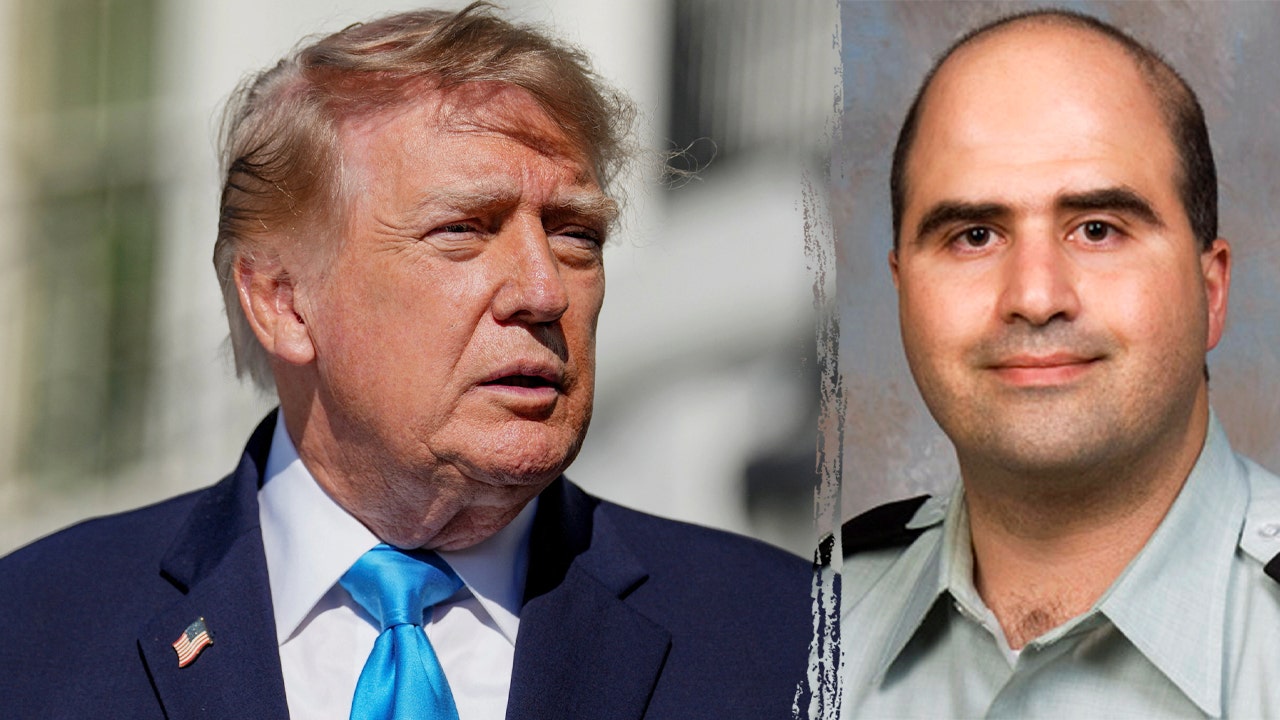
The question hanging over Hasan’s execution is not just when it will happen, but whether the public will be allowed to see it. Donald Trump said he has not made a final call on the livestream issue, even as the Pentagon says the military is preparing for the first U.S. military execution in more than 60 years. The case sits at the crossroads of punishment, deterrence, and a very raw national memory tied to Fort Hood.
Trump told reporters he was still weighing the choice and would “make a decision.” He described Hasan as “vicious” and “violent,” then laid out the two sides of the argument in plain language: “There are two thoughts: don’t show it and show it,” he said. “Because, you know, by showing it, maybe other people won’t be doing what he did.”
The execution of Nidal Malik Hasan is scheduled for Dec. 3, according to the Pentagon, after his conviction for the 2009 Fort Hood rampage that left 13 dead and 32 wounded. Hasan, a former Army major, became one of the most notorious figures in modern military justice, and the planned firing squad has pushed the case back into the spotlight all over again.
Trump also made clear that while he understands why the military might want the event broadcast, he is not rushing the call. “I’ll make a decision, ultimately,” he said. “I know what the military would like to do, but we’ll make a decision.”
The White House moment was not the first time the subject came up. A day earlier, Trump said he understood the logic behind showing it and noted that the military wanted the execution to “serve as an example, and I understand that very well.” That framing gives the issue a hard edge, with deterrence on one side and public discomfort on the other.
War Secretary Pete Hegseth was part of the earlier decision-making that led to the use of an Army firing squad, according to previous reporting. The livestream question has since become its own flashpoint, separate from the execution method itself, and that distinction matters because the optics of broadcasting a military execution would be unprecedented in the modern era.
Vice President JD Vance also weighed in Friday, saying he was not sure whether the execution would be livestreamed. He added, “If it’s ultimately livestreamed, I’m not going to be watching it,” a line that captured the uneasy tone around the whole subject without pretending anyone in Washington is comfortable with it.
The Fort Hood massacre still looms large in the background. Images from the post, the names of the dead, and the scale of the violence are part of why this case keeps drawing attention, even years later. Hasan’s sentence is rare enough on its own, but the possibility of a livestream turns it into something far more public, and far more controversial.
If carried out, the execution would mark the first one by the U.S. military since 1961 and the first military firing squad execution since 1945. That kind of historical gap gives the moment extra weight, especially when the government is also deciding whether the American public should watch it unfold in real time.
Trump’s remarks suggest the decision will hinge on whether the broadcast is seen as a warning, a necessary act of transparency, or a step too far. For now, the answer is still pending, and the Pentagon’s plan remains under a political spotlight that is only getting brighter as Dec. 3 gets closer.
