
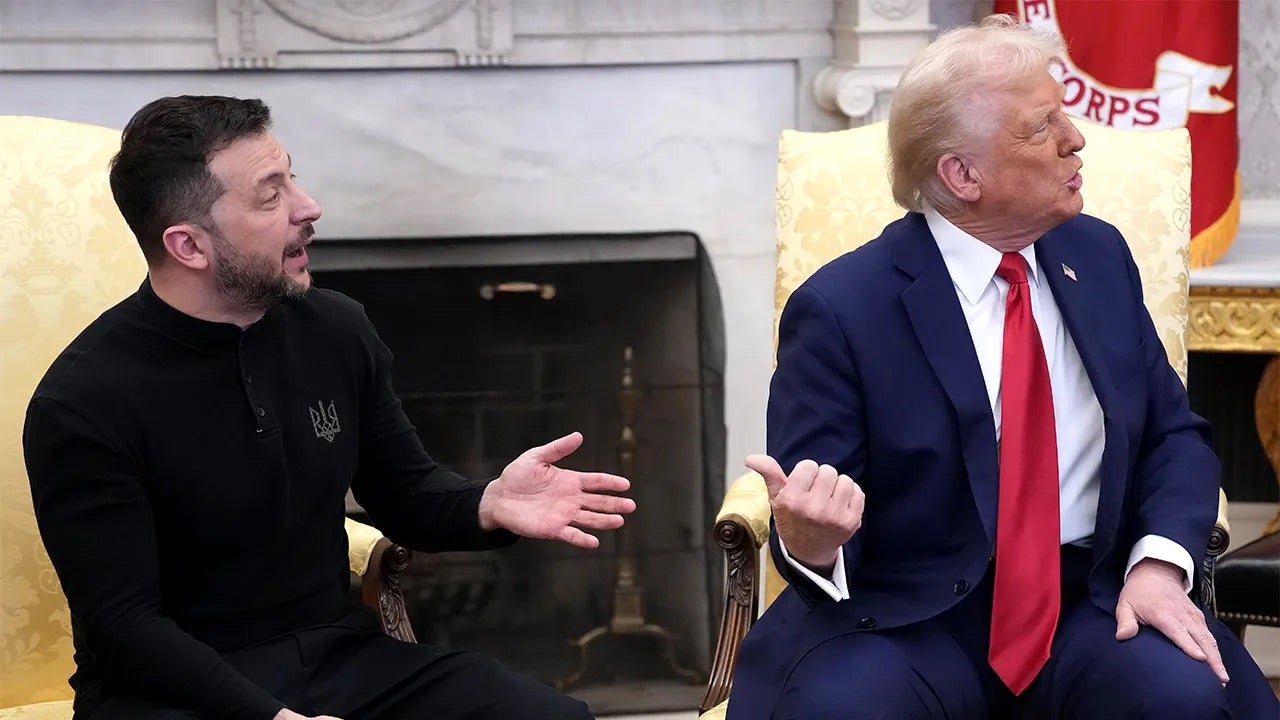
Trump’s latest clash with Ukraine landed with a jolt, pulling together war, energy, and diplomacy in one sharp burst. The dispute centered on a diesel deal with Russia, Ukraine’s attacks on refineries, and Trump’s blunt message that Volodymyr Zelenskyy may need to be replaced if he cannot help bring the war to an end. The fight also fed into a bigger concern hanging over global fuel markets, where every strike and every sanction shift can move prices fast.
Trump said it was “time for Ukraine to get a new president” after Zelenskyy criticized a U.S. arrangement that temporarily eases sanctions on Russian diesel exports. That statement was not wrapped in diplomatic language, and it was clearly meant to land hard. Trump argued that continuing refinery strikes only deepens the fuel squeeze and turns an already brutal war into a wider energy headache.
His frustration was aimed at Ukraine’s strategy as much as its leadership. Trump said Zelenskyy should stop targeting Russian oil refineries because those attacks ripple far beyond the battlefield. In his view, that kind of damage does not just hurt Moscow, it can also make life more expensive for everyone else watching prices climb at the pump.
The energy angle is a big reason the dispute got so much attention. Trump confirmed that Washington and Moscow had reached a deal to suspend restrictions on Russian diesel exports until April 7, a move meant to push more fuel into the market. That matters because more supply can ease pressure on prices, even if the politics around it are messy and unpopular with Ukraine.
Zelenskyy’s response was predictable and fierce. He warned that any opening for Russian diesel could hand Moscow more money to keep the war going and buy more weapons. That objection cuts to the heart of the argument: one side sees a practical step to steady energy markets, while the other sees cash flowing straight back into Russia’s war machine.
Trump did not just focus on the deal itself. He also pressed Zelenskyy for failing to move closer to a peace settlement, arguing that the Ukrainian leader has had chances to reach terms and has let them slip away. That criticism hit in the middle of a war that has dragged on since Russia’s full-scale invasion in February 2022, with no easy exit in sight.
The pressure is happening against a grim backdrop of expanded attacks on energy sites, transport routes, and other critical infrastructure. Both Russia and Ukraine have leaned harder into strikes that aim to choke the other side’s war effort and strain its economy. The result is a conflict that reaches far beyond trenches and front lines, with consequences that show up in fuel tanks, shipping lanes, and household budgets.
Trump has been trying to lower fuel costs while also dealing with a wider energy environment shaped by conflict and instability. That puts his comments in a familiar lane for him, where geopolitics and pocketbook politics meet. When fuel gets tight, voters feel it fast, and leaders start hearing about it even faster.
The exchange with Zelenskyy also adds another layer to the long-running tension between wartime strategy and real-world economics. Ukraine wants to weaken Russia’s war ability at every turn, while Trump is signaling that some attacks may come with a cost the world cannot ignore. That tension is not going away, and every new move on sanctions or refinery strikes only makes the next round of talks sharper.
