
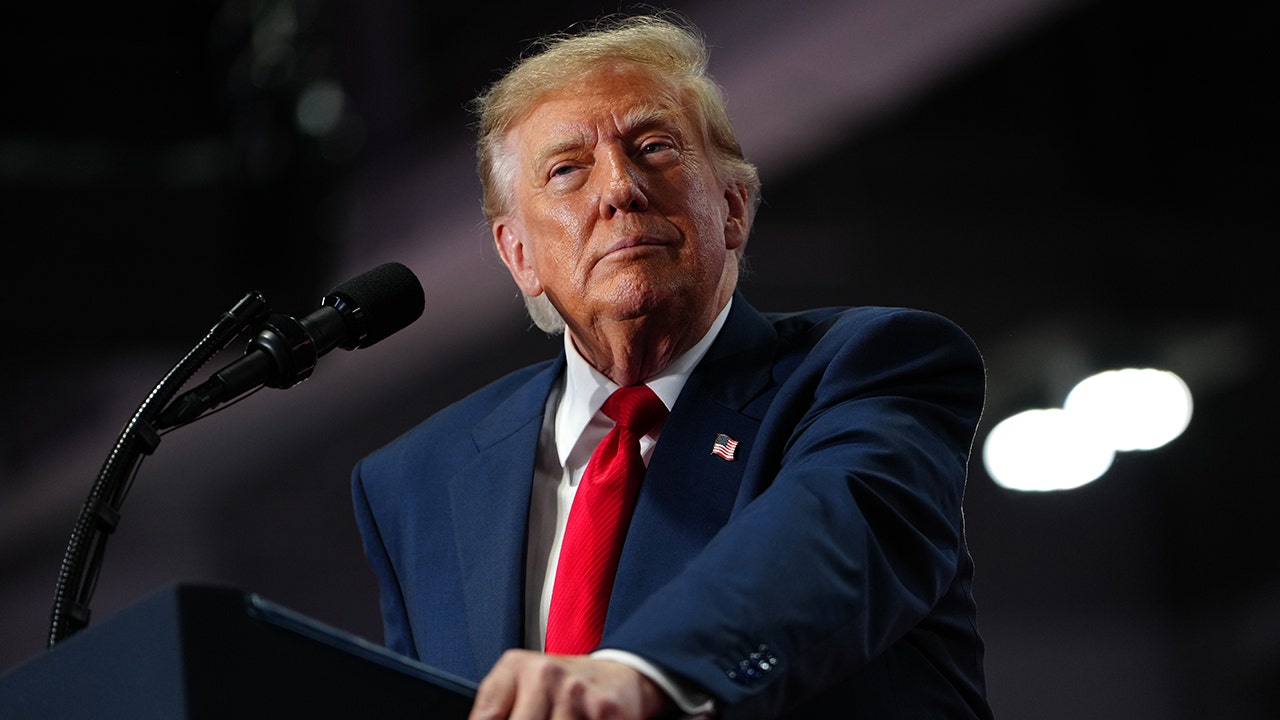
Donald Trump is back in the spotlight after blasting the Nobel Peace Prize decision and insisting his record deserved a very different outcome. The episode mixes trademark Trump bravado, a fresh dose of outrage, and a bigger fight over what counts as peace work in a tense world.
Trump unloaded on Truth Social after the Norwegian Nobel Committee went with South African jurist Navi Pillay instead of him. In his post, he rattled off what he described as major diplomatic and security wins, including what he called the settling of multiple wars, progress on more, and the return of hostages from around the world. He capped it off with the kind of line that practically begs to be quoted: “I settled 8 WARS, am close to ending or settling 2 more, got all of the Israeli hostages back, including the final 28, both living and dead, had hundreds of hostages, from countries all over the World, released and sent back home, won a war in Venezuela, and captured the violent dictator who so viciously ran that country, and stopped the number one state sponsor of terror, the Islamic Republic of Iran, from obtaining a Nuclear Weapon — AND MUCH MORE! Yet, with all of that I, or the United States of America, did not get the Noble Peace Prize. WOW!”
The reaction was hardly a surprise to anyone who has followed Trump for years. He has openly wanted the prize for a long time, and the admiration he feels for his own dealmaking style has never been subtle. Back in 2018, he received a nomination from Norwegian lawmakers for his diplomacy with North Korea and nuclear disarmament efforts, which only fed the storyline that he saw himself as a natural fit for the honor.
That streak continued in 2019, when Trump told reporters, “I think I’m going to get a Nobel Prize for a lot of things if they gave it out fairly, which they don’t.”
The Nobel Committee does not publicly publish the full nominee list, but Trump has been nominated several times by people who have said they put his name forward. Among them were former Japanese Prime Minister Shinzō Abe in 2019 and Israeli Prime Minister Benjamin Netanyahu in 2025, a detail that keeps Trump’s foreign policy legacy tied tightly to the Middle East debate.
This year’s award went to Navi Pillay, whose career has stretched across some of the most sensitive corners of international law. At 85, she was the first non-White woman appointed to South Africa’s high court and later served on the International Criminal Tribunal for Rwanda and the International Criminal Court.
Pillay also spent years as the United Nations High Commissioner for Human Rights, a post that made her a familiar figure in global rights circles. The Nobel Committee highlighted her work leading the U.N.’s Independent International Commission of Inquiry on the Palestinian Territory and Israel, a role that won praise in some quarters and sharp skepticism in others.
That skepticism has been intense, especially among critics who say her work showed a built-in anti-Israel tilt. Anne Bayefsky, president of Human Rights Voices and director of the Touro Institute on Human Rights, did not mince words when describing Pillay’s place in the broader fight over antisemitism and international institutions. The controversy around her selection shows how even a peace prize can become a proxy battle over war, law, and politics.
The U.N., for its part, offered a glowing assessment of Pillay’s record. António Guterres called her “a champion of international law and human rights and a steadfast, independent voice of justice amidst some of the most historic international legal cases of our time,” framing her win as recognition of a long institutional career.
Trump’s frustration also lands in a wider pattern. He has repeatedly leaned into the idea that global elites undervalue him, even when his supporters argue that his hard-nosed style produced real diplomatic results. That tension is exactly why the Nobel conversation around him never feels routine, because it is never just about a medal. It is about status, legacy, and who gets to define peace in the first place.
