
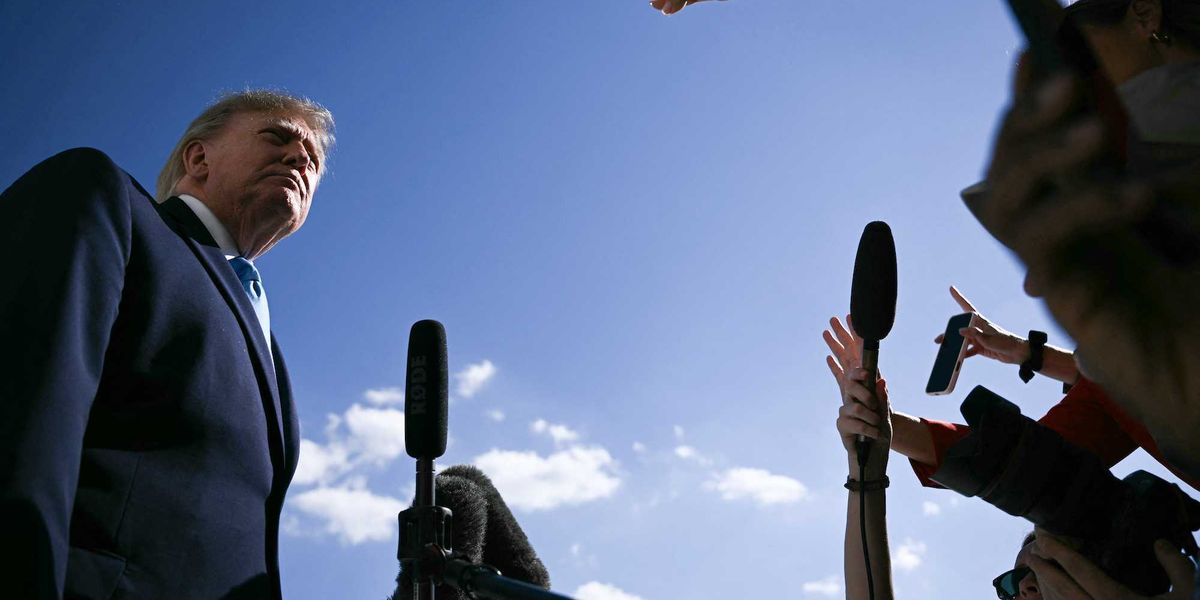
President Donald Trump turned up the heat on major media outlets after reports about rally attendance sparked a fresh round of backlash. The clash put the New York Times and other newsrooms in the crosshairs, with Trump framing the coverage as more than sloppy reporting and pushing the fight into criminal territory.
Trump’s remarks landed in the middle of a familiar battle over press coverage, audience size, and how political events are portrayed. Supporters saw the comments as a blunt warning to outlets they believe twist the facts, while critics called it a dangerous attack on the free press.
The fight centered on the way some reports described the size of Trump’s rally crowd. That issue may sound small on the surface, but it quickly grew into a bigger argument about credibility, motive, and whether the media gives conservative events the same treatment as liberal ones.
For Trump, crowd numbers are never just crowd numbers. They have long been a symbol of strength, momentum, and political energy, so any suggestion that turnout was weak tends to draw a sharp response. When reporters cast doubt on those numbers, the dispute often becomes personal fast.
The New York Times has been a regular target in Trump’s attacks for years, and this episode fit the same pattern. He often argues that the paper and other outlets lean left, push narrative over facts, and damage public trust by repeating claims that do not match what he and his supporters see with their own eyes.
The rhetoric around being “arrested” raised the stakes even higher. That kind of language is sure to grab attention, but it also adds fuel to an already hot debate about the line between forceful political speech and rhetoric that crosses into intimidation.
Media critics were quick to warn that threats or threat-like language aimed at journalists can chill reporting. They say tough coverage of political figures is part of the job, even when it irritates the people in power, and they argue that press scrutiny should not be treated like a crime.
Trump’s allies, meanwhile, tend to push back hard against that idea. They argue that too many outlets hide behind the label of journalism while recycling bad-faith narratives, and they believe calling that out openly is overdue.
The rally attendance dispute also touched a nerve because it sits right at the intersection of optics and politics. Big crowds project enthusiasm, small crowds suggest weakness, and the fight over which version of reality wins can shape the headlines far beyond a single event.
That is why stories like this ripple so widely. They are not only about one rally or one newspaper, but about the larger struggle over who gets to define the truth in a country where media trust is already hanging by a thread.
Trump’s response made clear he has no interest in backing down from that fight. And as long as the coverage keeps poking at the size of his crowds, the media fight is likely to stay loud, sharp, and impossible to ignore.
