
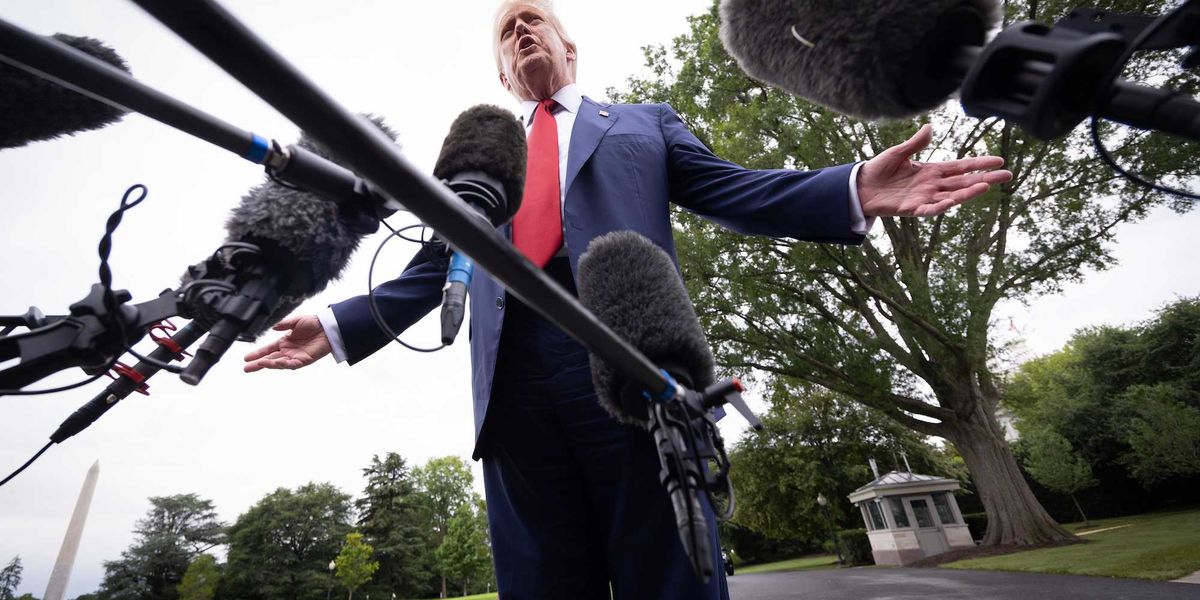
The Justice Department says a growing media boycott of the White House pool system may have crossed a legal line, and the issue is now landing in a place nobody can ignore. At the center is a fight over access, pressure, and whether major news outlets can simply step away from the pool while still expecting special treatment.
The dispute has plenty of heat because it goes straight to the relationship between the press and the government. The pool exists to make sure a small group of reporters can cover the president up close and share that coverage with everyone else, but when some outlets refuse to participate, the whole arrangement starts to wobble.
According to the Justice Department, the boycott may not just be a media protest. It could trigger antitrust concerns if outlets acted together in a way that restricts competition or access, which turns a political standoff into a legal problem with real consequences.
That matters because the White House press system has always been built on a mix of access and obligation. If reporters want the benefits of pool coverage, they are expected to play by the rules, and skipping out as a group can raise questions about whether the arrangement is being used as leverage instead of journalism.
For years, critics have argued that some major outlets act less like independent observers and more like a protected club. When that crowd decides to boycott a system they dislike, the move can look less like principle and more like a coordinated attempt to pressure the administration while preserving the power that comes with insider access.
The legal angle gives the story a sharper edge. Antitrust law is usually about markets, but the same basic concern applies when a small group tries to control access in a way that shuts others out or manipulates the terms for everyone else.
The White House has never been an easy beat, and the pool arrangement exists for a reason. Space is limited, security is tight, and not every outlet can be in every room, which is exactly why the system depends on broad participation rather than selective cooperation.
When outlets refuse to join, the burden shifts to everyone else. Smaller outlets, wire services, and reporters trying to do the job without Washington’s usual echo chamber can end up carrying the load while the biggest names sit on the sidelines and complain from a distance.
That dynamic has fueled a bigger argument about media power and accountability. A lot of Americans are tired of being told the press is acting in the public interest when the behavior on display looks like another insider operation designed to keep control in a few familiar hands.
The Justice Department’s warning also sends a message that media companies do not operate in a legal vacuum. They can criticize the White House all they want, but if they coordinate in a way that raises competition issues or distorts access rules, that can draw scrutiny just like any other industry.
At a time when trust in the press is already battered, moves like this only deepen the skepticism. People notice when outlets posture as watchdogs but behave like a cartel, and they notice even more when those same outlets act shocked that someone is willing to challenge them.
The fight over pool access is not just about who stands closest to the president. It is about whether major newsrooms still believe they owe the public full coverage, or whether they are more interested in using their collective power to reshape the game when they do not like the score.
