
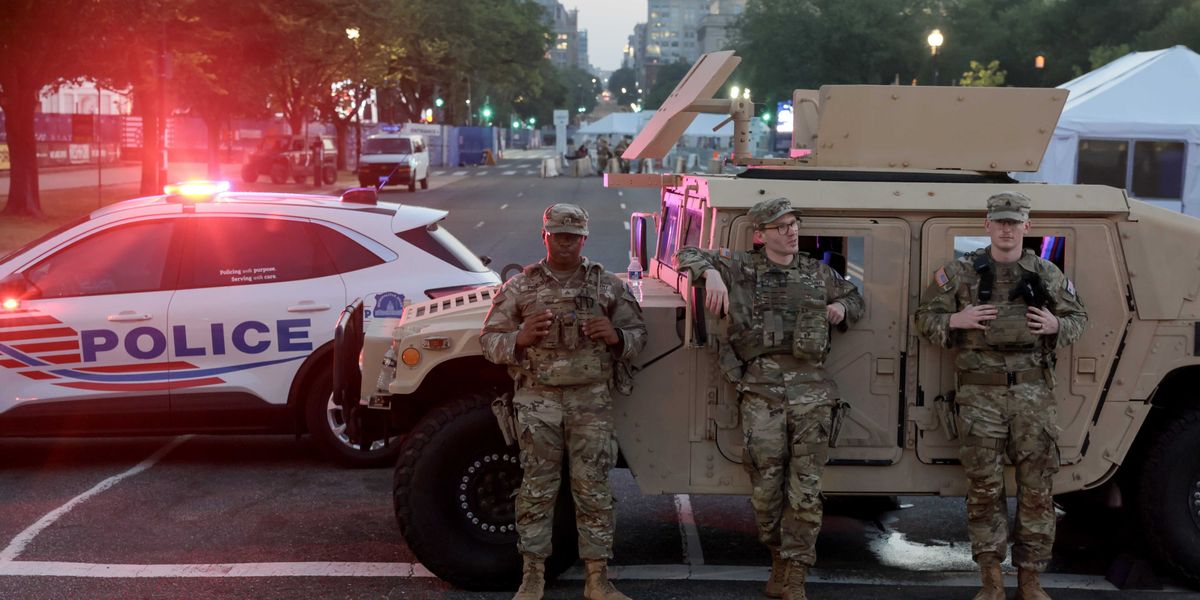
Donald Trump pushed back hard after a progressive-leaning report tried to frame the National Guard presence in Washington, D.C. as a flop. The clash quickly turned into a bigger fight over crime, public safety, and who gets blamed when a city feels like it is slipping out of control.
For Trump, the issue was never about optics alone. The point was to show strength, restore order, and back local residents who are tired of watching violent crime dominate daily life. That message lands especially well in a city where public frustration has been building for years.
The report at the center of the dispute argued that the deployment did not deliver the kind of dramatic turnaround some had expected. But that kind of critique skips over the reality on the ground, where the presence of uniformed personnel can change behavior fast and send a clear signal that chaos is not being tolerated.
Washington, D.C. has become a political pressure cooker for exactly this reason. Muriel Bowser and city leaders have faced relentless questions about crime, enforcement, and whether enough is being done to make neighborhoods safer, not just look safer on paper.
Trump’s answer was blunt, and it matched the tone many voters prefer when public order is on the line. Instead of treating rising crime like an abstract policy debate, he treated it as a basic test of leadership, one that demands visible action and no excuses.
The National Guard deployment also exposed a familiar divide in how different camps talk about safety. Progressive critics often focus on process, messaging, and whether a move looks heavy-handed, while supporters of stronger enforcement care more about whether criminals are being deterred and residents can feel safe walking home.
In a city like D.C., that divide is impossible to ignore. When carjackings, assaults, and street violence become part of the conversation, people stop caring about clever framing and start asking who is actually going to step in and restore confidence.
That is why the reaction to the deployment mattered so much. Even if one report says the operation fell short, the larger political fight is about whether leaders are willing to confront crime directly instead of letting it fester and then pretending the public will not notice.
Trump has built a brand around exactly that kind of direct confrontation. He does not tend to soften the edges or hide behind bureaucratic language, and that style still resonates with voters who are fed up with soft-on-crime excuses and endless finger-pointing.
The bigger issue is that public safety debates are never just about one deployment or one headline. They are about trust, control, and whether elected officials are willing to put ordinary citizens ahead of activist talking points, especially when the stakes are high and the streets are already tense.
For many people, the argument is refreshingly simple. If a city is dealing with violence, the response should be strong, visible, and serious enough to make a difference, not watered down by spin from people who are far removed from the consequences.
That is what kept this story alive, and it is why Trump’s response got so much attention. The debate was not really about one report, but about the larger question of whether Washington is being protected by leaders who act like they mean it.
