
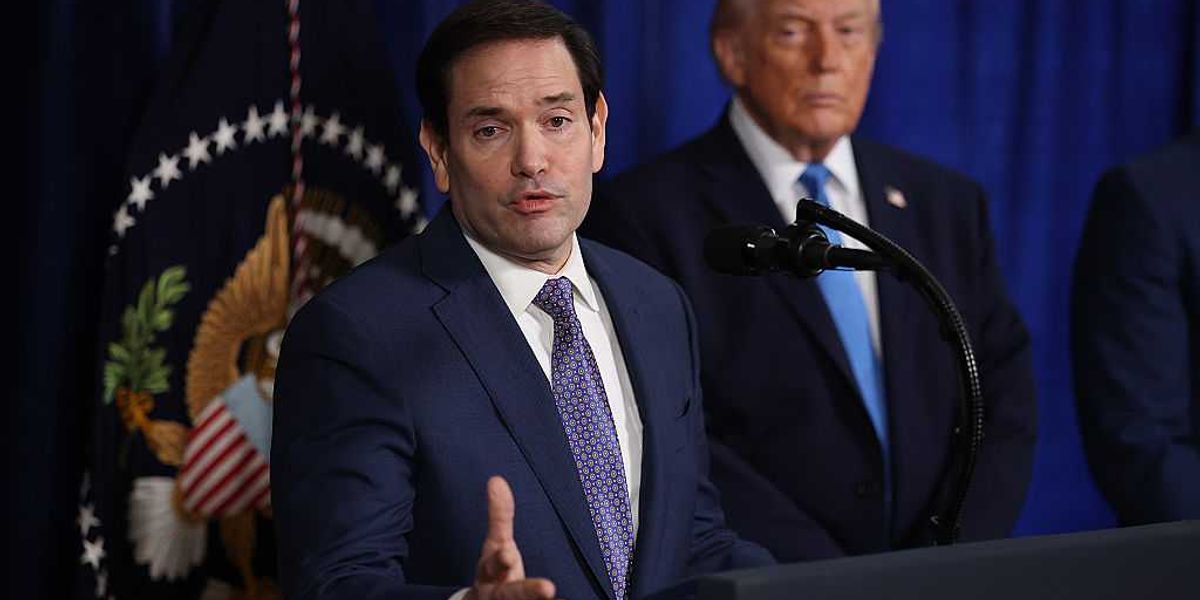
Marco Rubio has gone from a politician Trump once swatted aside to one of the most visible names in America’s diplomatic machine. That shift says plenty about the way power, loyalty, and competence can collide in Washington, where today’s target can become tomorrow’s asset. The bigger story is not personal drama, but how the role has changed and why Rubio now looks like a serious fit for the job.
For years, Rubio and Trump represented different strains of Republican politics, and the friction was never subtle. Trump mocked him, brushed him off, and made it clear he did not see him as a rival worth respecting. Yet politics has a way of turning old insults into background noise when the mission becomes bigger than the feud.
Rubio’s rise in diplomacy has been powered by something that does not always get enough attention in modern politics: discipline. Foreign policy is full of noise, but effective diplomacy often comes down to patience, message control, and knowing when to push and when to hold back. Rubio has managed to project exactly that kind of steadiness, which is why the shift has caught so many people off guard.
The State Department is not the place for empty slogans or cheap bravado. It needs someone who can speak the language of allies and adversaries without sounding confused, weak, or theatrical. Rubio has leaned into that space with a style that feels more measured than his old campaign-era image, and that matters when the world is watching every move.
What makes the transformation so interesting is that it fits the moment. America is dealing with a fractured world, constant pressure from rivals, and allies who often want reassurance more than speeches. In that environment, a diplomat who understands both the political fight at home and the hard edges of international bargaining can become unusually valuable.
Trump has always valued results over polish, and Rubio seems to have found a lane where those instincts overlap. The president does not need a court performer; he needs someone who can carry the message, protect American interests, and make the machinery of government work without drama. Rubio’s appeal lies in the fact that he can do that while still looking like a conservative who knows exactly where he stands.
There is also something almost old-school about the way Rubio now fits into the picture. He has the demeanor of a man who understands that statesmanship is not about applause lines, but about showing up prepared and keeping the national interest front and center. That kind of shift can be hard to pull off in public life, especially after years of being defined by a harsher, more combative image.
It helps that Trump himself has never been shy about changing his mind when circumstances change. The political world often treats consistency as a virtue, but Trump has always treated usefulness as the real test. Rubio appears to have passed it, and that alone explains why a former punchline can end up looking like one of the administration’s sharper diplomatic tools.
The broader lesson here is simple enough: Washington loves to freeze people in their worst moment, but power has a funny way of rearranging reputations. Rubio’s current role shows how quickly a mocked rival can become indispensable when skill, timing, and national interest line up. And in a town built on ego, that kind of reversal lands with real force.
