
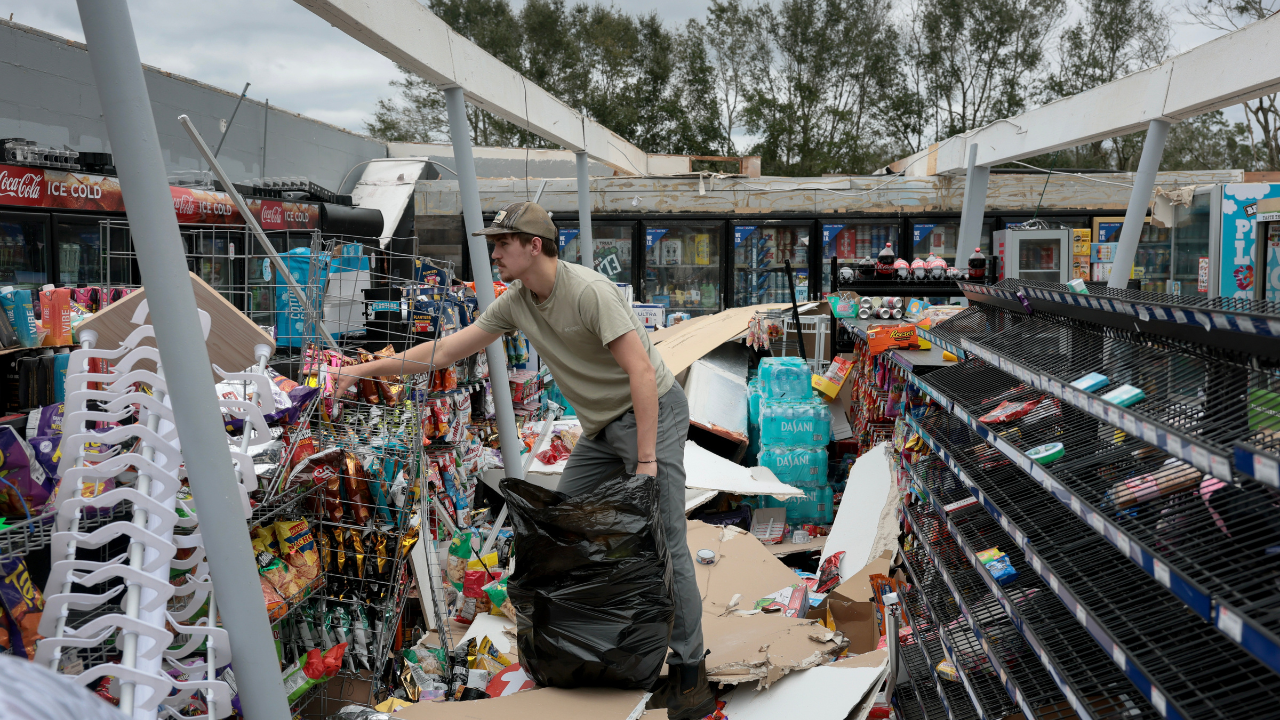
Cleanup crews, volunteers and local residents are now staring down the messy reality left by Hurricane Isaias. The storm carved a hard path across the Florida Panhandle and beyond, tearing apart homes, flooding roads and leaving entire neighborhoods in repair mode.
What stands out most in the aftermath is how fast a storm can turn familiar places into disaster zones. Roofing peeled away, trees snapped and toppled, and power lines went dark across wide stretches of Florida and Alabama, forcing communities to deal with heat, debris and uncertainty all at once.
The hurricane came ashore near Destin as a Category 2 system with maximum sustained winds of 105 mph. That kind of force does not just rattle windows, it rips at the bones of buildings, pushes storm surge inland and leaves flooding in places that were dry a few hours earlier.
In Milton, the damage is painfully easy to see. Storefronts were opened up to the weather, apartment roofs were blown off and vehicles, signs and trees were left scattered in the wreckage, the kind of scene that makes even a short drive feel surreal.
Homes took a brutal hit too. Siding was stripped away, roofs were shredded and entire properties were left exposed, with residents sorting through soaked belongings and broken material while hoping to salvage a few pieces of normal life.
That cleanup process is slow and emotional. People are carrying out debris by hand, cutting away fallen limbs and trying to figure out what can be fixed and what is simply gone for good.
Volunteers and emergency teams have moved quickly, and their work has been central to the early recovery effort. Clearing roads, helping with debris removal and restoring access to damaged areas matters right away, because every blocked street and every downed tree slows down the return to basic routine.
The storm also marked a strange milestone for the season. It was the first hurricane of the 2026 Atlantic season, arriving after an unusually quiet stretch that held off the first hurricane until October, which only added to the sense that this one hit late but hit hard.
It was also the first hurricane to land on the U.S. Gulf Coast since Hurricane Milton struck Florida in October 2024. That gap may sound like a breathing room of sorts, but the latest damage makes clear how quickly that calm can disappear when a strong system finally shows up.
As Isaias moved inland and weakened, more of the destruction came into view. Aerial images and ground-level photos captured a harsh mix of torn roofs, bent trees, collapsed structures and homes reduced to open shells, all reminders that wind damage does not end when the storm does.
Even familiar roadside scenes were transformed. A collapsed gas station canopy, damaged apartment complexes and battered single-family homes all point to the same blunt truth: when a hurricane reaches this strength, nearly every part of daily life gets knocked off balance.
Still, the recovery effort is already taking shape in the middle of the wreckage. Residents are cleaning out rooms, workers are removing fallen trees and communities are trying to stitch back together the ordinary details that make a place feel like home.
