
Nebraska is moving to tighten the rules on cash welfare, cutting off spending on items many taxpayers would never expect to be covered in the first place. The state is joining a growing push to make sure public aid helps families get back on their feet instead of paying for tobacco, pornography, tattoos, luxury purchases and other nonessential items.
For years, the Temporary Assistance for Needy Families program has allowed a broad loophole that let recipients use cash assistance in ways that had little to do with basic household needs. That has opened the door to purchases at grocery stores, retailers and other outlets that sell everything from alcohol to adult content, even when the original intent of the aid was supposed to be much narrower.
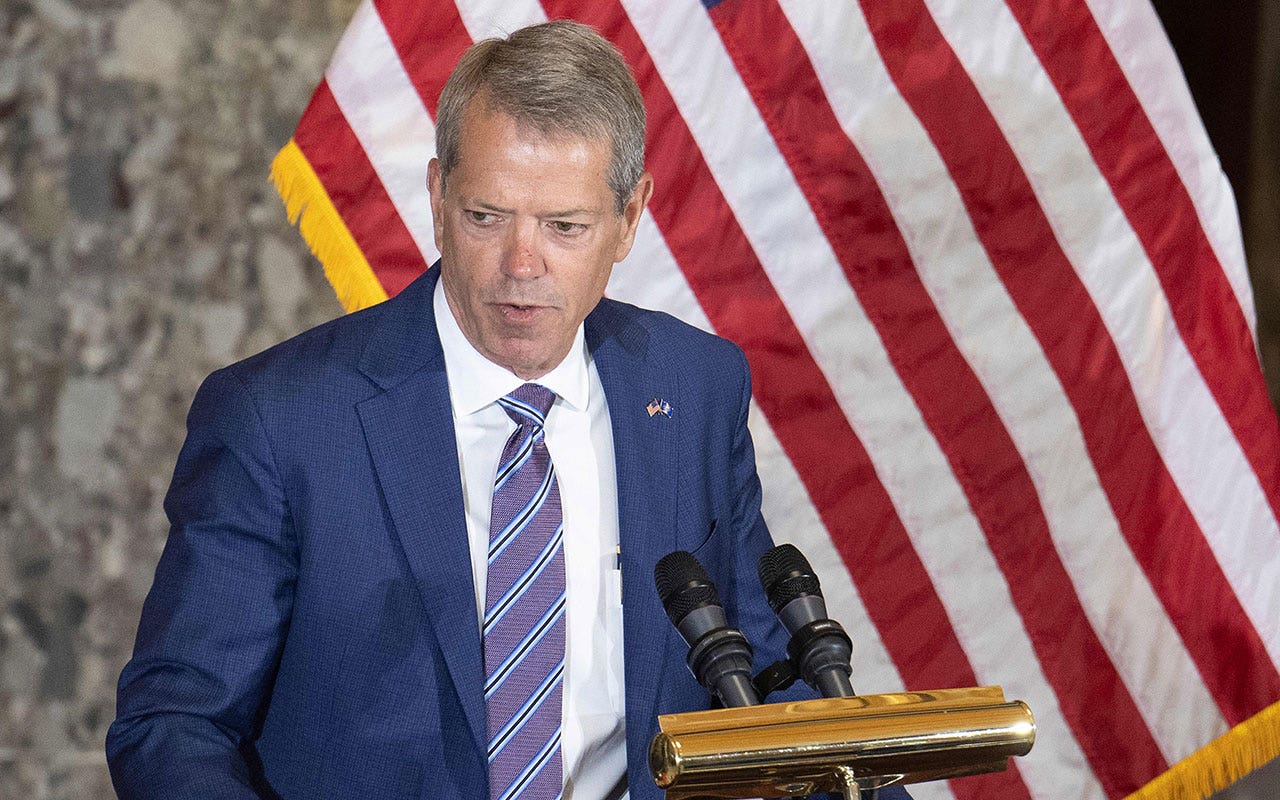
Nebraska’s new approach, backed by Republican Gov. Jim Pillen, puts the state in line with a tougher view of welfare oversight. The restriction is aimed at stopping taxpayer dollars from being spent on things like cigarettes, porn, fortune-telling, luxury watches and similar extras that do not belong anywhere near a safety-net program.
The frustration around this issue is simple enough. Most people assume welfare is there to cover necessities, not to subsidize bad choices or frivolous spending. When public money gets turned into a free pass for indulgences, trust in the system takes a hit fast.
This is also part of a larger shift under the Trump administration, which has encouraged states to clean up abuse one by one instead of waiting on Congress to solve everything at once. Since the federal rules still matter, states are looking for ways to tighten their own plans and get approval for stronger guardrails that keep the focus on real need.
Florida moved first and set the tone. Gov. Ron DeSantis backed restrictions on spending welfare dollars on tobacco, drugs, porn, tattoos, video games and fortune-telling services, and the federal government approved the plan quickly. That gave other states a workable model and showed that the idea is not only possible, it is already happening.
Supporters of the crackdown argue that this is not about punishing people who need help. It is about making sure that assistance reaches families facing real hardship, without becoming a blank check for items that have nothing to do with stability or survival. That distinction matters, especially when every dollar comes from workers who expect the system to be used honestly.
There is also a bigger message here about accountability. If a program can be stretched this far for this long, then the rules were clearly too loose, and the public noticed. States that want to keep welfare programs credible are under pressure to draw a harder line and show that assistance is meant for essentials, not entertainment or vice.
That means the pressure is now on other governors to follow suit. Nebraska is not treating this like a symbolic gesture, and the list of restricted items makes it clear that lawmakers are aiming at the obvious abuses first. The real question is how many states will keep dragging their feet when the fix is sitting right in front of them.
