
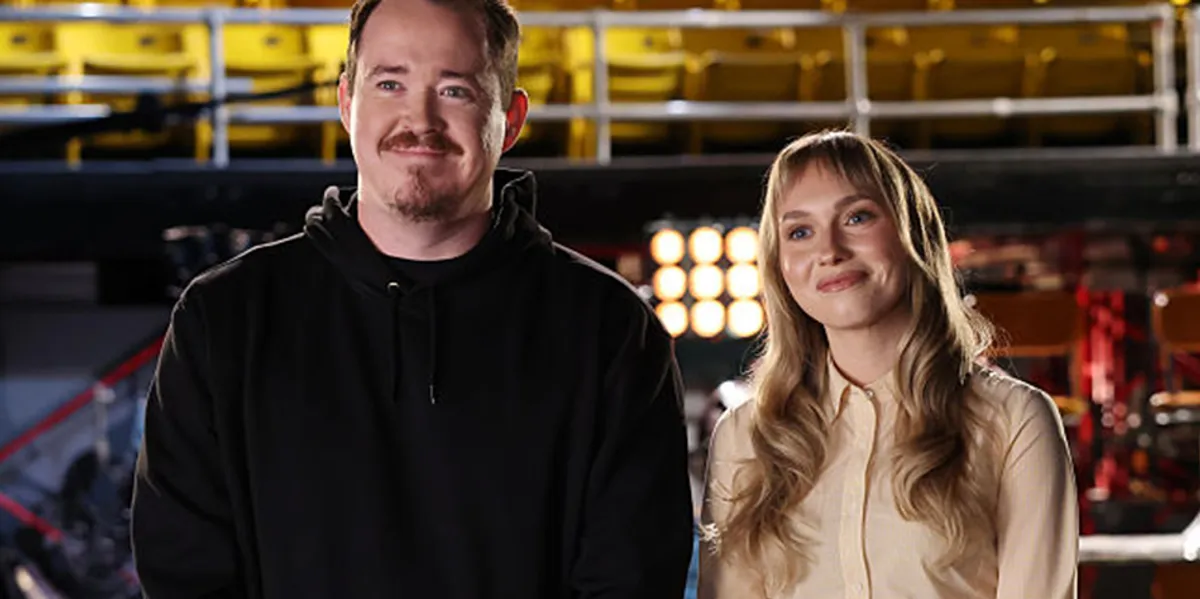
Check out the tension and irony around a show that once cut Shane Gillis loose and is now leaning hard into the kind of sharp, fast, no-nonsense comedy he represents. The moment is bigger than one booking, because it says a lot about where “SNL” stands when it comes to risk, timing, and the changing appetite for edgy laughs.
“SNL” has always lived in that uneasy space between safe television and pushing just far enough to make people sit up. Sometimes that balance works, sometimes it blows up in its face, and Shane Gillis became one of the clearest examples of that dynamic when the show moved on from him before he ever got a real shot.
What makes the whole thing so interesting now is how comedy has shifted around the edges. Audiences have grown less patient with polished, watered-down jokes, and performers who sound like they actually know how to cut through the noise are getting more attention than ever. Gillis built his name by sounding like a guy who is not trying to impress a boardroom, and that kind of energy travels.
That does not mean every risky comic lands with everyone. It means the people making these calls are always chasing the same thing: relevance without a total meltdown. “SNL” has spent decades trying to stay ahead of the curve, but the curve keeps changing, and the audience keeps noticing when the show is playing it safe instead of swinging for something real.
There is a reason Gillis keeps popping up in these conversations. He has become a symbol of the modern comedy backlash against overthinking, where fans want jokes that feel alive instead of focus-grouped to death. That does not make him everybody’s cup of tea, but it does make him exactly the kind of comic people talk about when they want to argue about what comedy should be allowed to say.
The bigger story is not just about one person getting a second look. It is about an institution that has spent years trying to keep one foot in the mainstream while borrowing more and more from the outsider comics it once treated like a problem. When a show known for establishment-friendly variety starts banking on an act that once got booted, the contrast practically writes itself.
Shane Gillis also fits the current mood because he does not sound like he is auditioning for approval. That bluntness can be refreshing in an entertainment world packed with people who are terrified of offending the wrong crowd, and it is exactly why his name keeps coming back into the mix whenever comedy gets discussed like a culture war instead of a punchline business.
At the same time, “SNL” is still “SNL,” which means it cannot fully escape its own brand of careful chaos. It needs the headline moments, the edge, and the buzz, but it also needs to protect the machine that keeps it on air every week. That makes any embrace of a comic like Gillis feel loaded, because the show is not just booking talent, it is revealing how badly it wants to look fearless.
And that is where the real friction lives. Comedy has become one of the few places where audiences still expect honesty, even when the jokes sting, and shows that ignore that expectation risk looking stale fast. Whether “SNL” likes it or not, the fact that Shane Gillis is part of the conversation says the market for louder, rougher, more instinctive comedy is still very much alive.
