
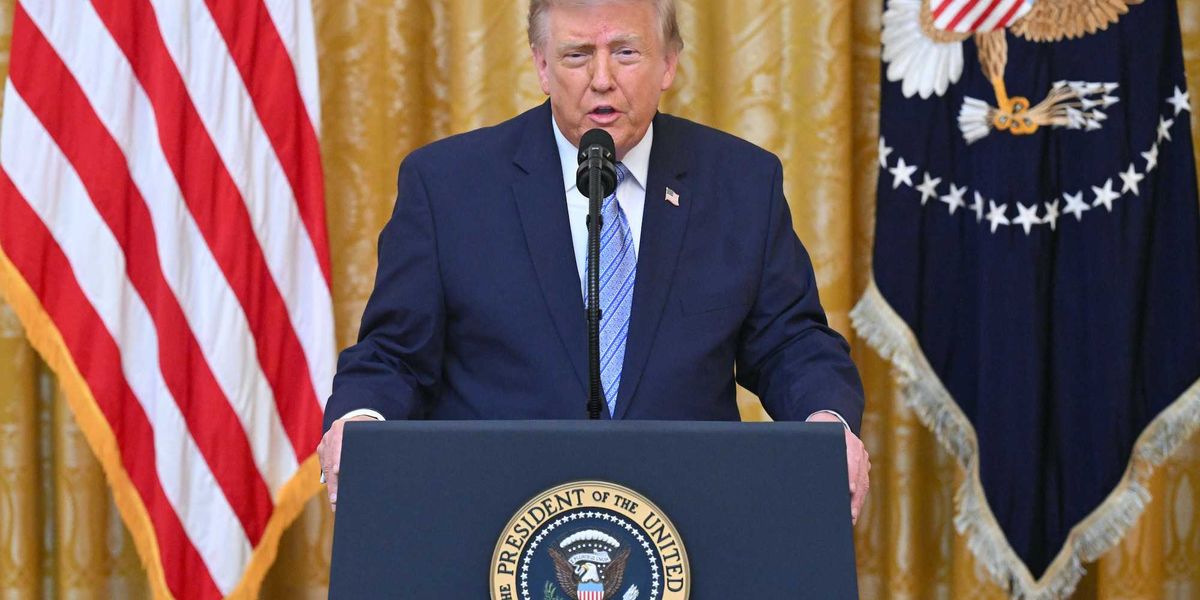
Donald Trump is pushing a familiar but explosive message: he says key people inside the government kept him in the dark about alleged Chinese interference in the 2020 election. The claim lands in the middle of his broader fight over election integrity, foreign influence, and the way Washington handles threats that hit too close to home. It also puts the spotlight back on the deep distrust many voters still feel toward the federal bureaucracy.
Trump’s argument is not just about one election cycle. He is tying the issue to a bigger pattern, one where he believes officials, intelligence workers, and political insiders protect themselves first and answer questions later. That’s the kind of accusation that does not fade quickly, especially when it involves China, one of the most openly aggressive foreign players in global politics.
At the center of the story is the idea that information was intentionally withheld. Trump says that if he had been told what the government knew about Chinese efforts to interfere, the response would have been different and far faster. For his supporters, that sounds like confirmation of something they have suspected for years, that the machinery in Washington can work against the president when it wants to.
The China angle matters because it adds a foreign threat to an already bitter domestic dispute. Election security has become one of the biggest fault lines in American politics, with Republicans arguing that weak safeguards invite abuse while Democrats often wave off concerns as overblown. When foreign interference enters the picture, the whole debate gets even hotter, because then the question is not just who counted the votes, but who was trying to shape them from the outside.
Trump has never been shy about putting the spotlight on the so-called deep state, and this fits that pattern perfectly. His view is that unelected power centers inside the government are willing to bury damaging facts when those facts threaten their preferred political narrative. Whether people agree with him or not, the charge connects with a lot of Americans who already believe official Washington is more interested in managing perception than telling the truth.
The timing also matters. Election reform remains a live issue, and Trump has kept pressing for stronger protections, tighter controls, and more accountability. That includes the broader push around the SAVE Act, which supporters see as part of restoring trust in the system, not undermining it. In that sense, this fight is not just about what happened in 2020, but about what has to change before the next major vote.
There is also a simple political reality here: accusations of foreign interference from China hit hard because people understand the stakes. China is not some distant nuisance. It is a strategic rival with real reach, real resources, and plenty of reasons to try to influence American outcomes wherever possible.
That is why this story keeps pulling attention back to the same uncomfortable place. If the public believes serious threats were downplayed or hidden, trust drops fast, and once that trust is gone, every future claim from the government gets treated with suspicion. Trump is clearly betting that voters are ready to hear the blunt version, even if it makes life harder for the people who want the subject buried.
