
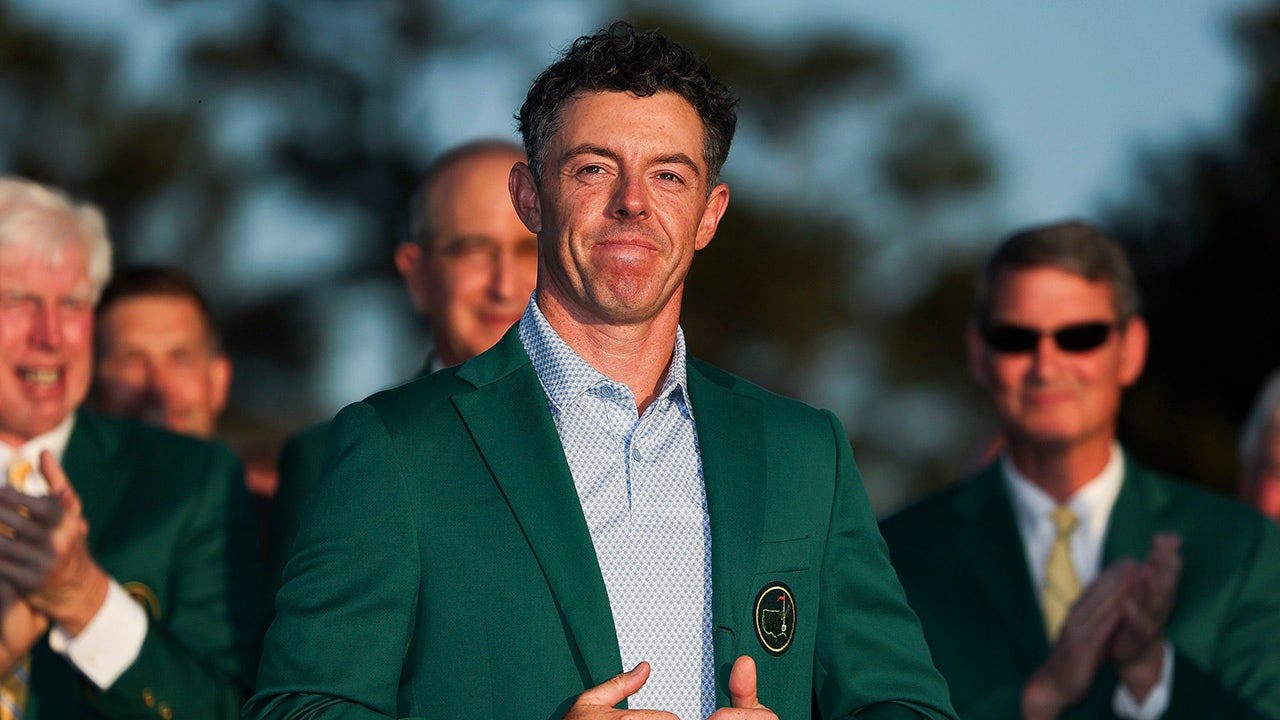
President Donald Trump congratulated Rory McIlroy on winning the 90th Masters Tournament, calling him a legend who performed tremendously under intense pressure. This article looks at why that message matters beyond a simple congratulation, how McIlroy’s victory reflects character Americans admire, and why public leaders acknowledging excellence is worth noting. The focus is on the win, the reaction from a Republican perspective, and the wider cultural meaning of sporting achievement.
Rory McIlroy’s performance at the Masters was a masterclass in calm and focus when everything was on the line. The week demanded precision, mental toughness, and the kind of steady nerve that separates great from legendary. Watching him close it out reminded fans why tournament golf rewards not just skill but the ability to manage pressure without falling apart.
A leader’s recognition carries weight, and the President’s words underscored that. President Donald Trump congratulated Rory McIlroy on winning the 90th Masters Tournament, calling him a legend who performed tremendously under intense pressure. That kind of public praise turns a sports moment into a national talking point and highlights the values conservatives like to celebrate, such as grit and excellence.
There is a tradition at Augusta that rises above politics, and the green jacket symbolizes more than a trophy. It stands for mastery earned the hard way, in quiet hours on the range and in tough decisions under tournament pressure. When the country sees an athlete reach that level, it creates an example young people can aim for, and that matters to families and communities everywhere.
From a Republican viewpoint, the intersection of leadership and sport is straightforward. Praising winners affirms competition, rewards effort, and encourages personal responsibility. It is not just about applause for a single victory, it is about endorsing the idea that excellence should be noticed and celebrated by those in public life.
McIlroy’s victory also speaks to resilience. He faced moments in the tournament where one bad hole could have ended his chances, yet he kept composure and executed. That kind of resilience is the same trait that business owners, service members, and everyday Americans rely on when situations get tough, and seeing it on a global stage reinforces confidence in those values.
There is a civic element to sporting success that often gets overlooked. When high-profile figures acknowledge achievement, it connects communities and provides a short, positive pause from the political noise. A clear, public congratulations from the President turns a sporting accomplishment into a shared national moment that can unite people for a few hours around something uplifting.
The win also gives McIlroy a platform to inspire others and to show how discipline pays off over time. Young golfers watching will study his swing, but they will also take note of his mindset and his approach to the pressure cooker of the final round. That kind of influence is quietly powerful and feeds a talent pipeline that benefits the sport and the broader culture.
Finally, the reaction to the Masters winner reminds us that leadership includes celebrating success when it appears. The President’s message to McIlroy was more than ceremonial. It was a recognition that excellence deserves a spotlight, and that public figures have a role in lifting up examples of hard work rewarded. Moments like this cut through the clutter and give people something straightforward and encouraging to talk about.
