
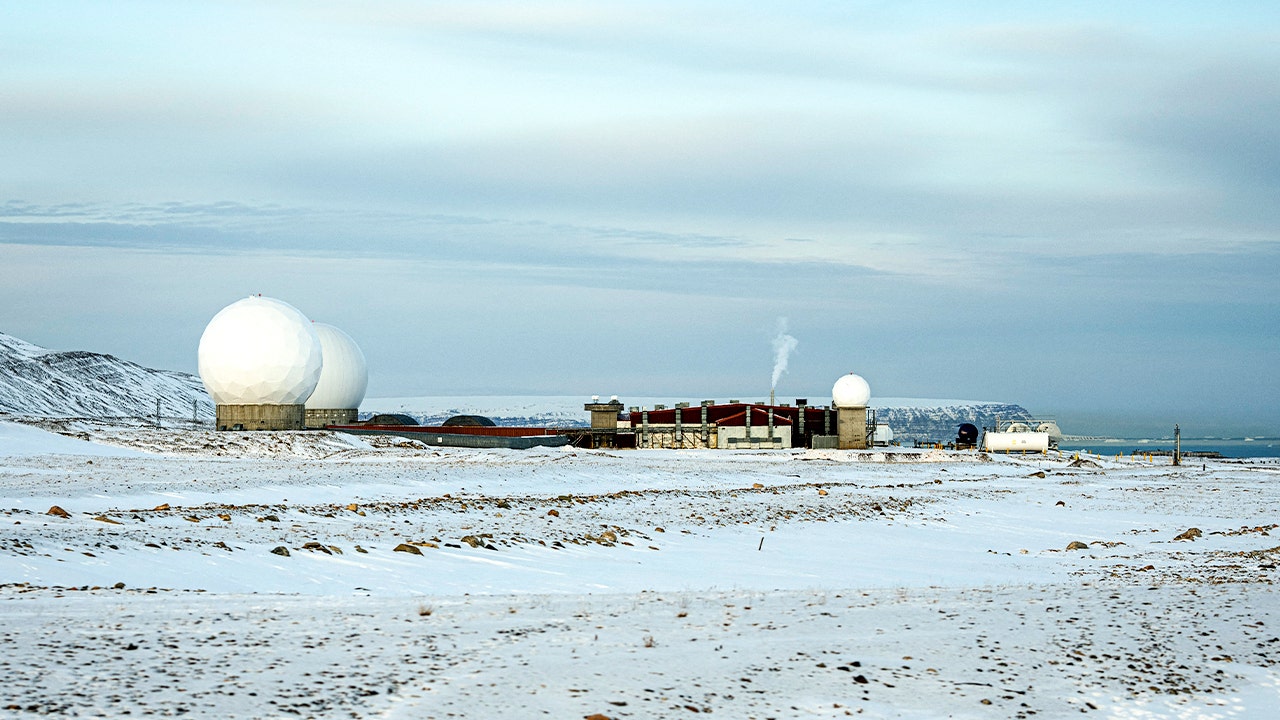
Greenland has moved from a remote outpost to a serious piece of the Arctic security puzzle. A new defense deal gives the United States more room to expand its footprint there, while also tightening the rules around who can gain a foothold on the island. The stakes are not abstract, because the Arctic is where geography, deterrence, and survival all meet fast.
Four years in Alaska taught a hard lesson about what cold really means. During Exercise Brim Frost ’89, tens of thousands of American and Canadian troops trained in brutal conditions, and temperatures fell to 76 below zero. That kind of cold does not just sting. It breaks fuel systems, drains batteries, thickens lubricants, and turns ordinary equipment failures into major problems.
That is why the Greenland agreement matters beyond the usual political chatter. The deal updates the old defense framework with Denmark and Greenland, opening the door to upgrades at Pituffik Space Base and new defense areas in the south and northeast. It also broadens U.S. access by land, air, and sea, which is exactly the kind of reach that counts when the Arctic starts shaping the fight.
Greenland sits in a spot that cannot be ignored. Look at the globe from above the North Pole and the island sits between the Arctic Ocean, the North Atlantic, and the routes that connect Europe to North America. Alaska, northern Canada, and Greenland form the top edge of the continent, and that edge is where warning time is won or lost.
That is why the Pentagon’s Arctic strategy treats the North American Arctic as central to homeland defense. Pituffik already supports missile warning, missile defense, and space surveillance, which makes it more than just a lonely base on ice. Add more sites, and the U.S. can spread out the mission instead of depending on one vulnerable location.
Narsarsuaq and Mestersvig add another layer of value. One strengthens access to Greenland’s southern approaches and the North Atlantic, while the other extends reach toward the Greenland Sea. Together with Pituffik, they would create a more distributed network that is harder to disrupt and easier to sustain.
Russia is the main reason this matters. Moscow has the most mature military presence in the Arctic, with major forces on the Kola Peninsula and a Northern Fleet built for the region’s harsh realities. Russian submarines, aircraft, and missiles make Greenland strategically important even without an invasion, because position alone can shape the outcome.
China is a different kind of challenge, but no less serious. Beijing is not an Arctic state, yet it keeps pressing into the region through icebreakers, research, and cooperation with Russia. The new agreement tries to shut that door by blocking any non-NATO military presence in Greenland without approval and by limiting outside control of sensitive infrastructure and resources.
That clause may be the most important part of the whole package. No adversary wants to face an Arctic that is open to its rivals and closed to its own ambitions. By locking in NATO alignment for any future independent Greenland, the deal also tries to keep the island tied to the same security architecture that protects the rest of the North Atlantic.
The real test, though, is not signing paper. It is turning geography into capability, which means fuel has to arrive, aircraft have to fly, and troops have to function in conditions that punish mistakes. An Arctic base is only as strong as the logistics line behind it, and the logistics line has no mercy.
That is what makes the Greenland move more than symbolism. It gives the United States a better position to watch, warn, reinforce, and respond, while making it harder for Russia or China to exploit the region. In the Arctic, deterrence is not built on speeches or charts. It is built on presence, endurance, and the kind of cold-weather readiness that cannot be faked.
