
The midterms are shaping up as a blunt test of how much power voters are willing to hand over to Washington. At the center of the fight is a simple, stubborn question: should free people decide how they live, or should government take the wheel? Republicans are framing the race as a defense of personal liberty, lower taxes, safer streets, and a smaller federal footprint.
The GOP pitch leans hard on results from the past 20 months. Republicans say they moved fast to tighten the border after a period of chaotic crossings, and they point to a stronger law-and-order stance that helped drive down violent crime. That message is meant to land with families who want less fear in daily life and more confidence that the system is working for them, not against them.
Tax relief is another big piece of the argument. Republicans are highlighting cuts that put more money back in workers’ pockets, including relief tied to tips, overtime, and seniors. The core idea is familiar and easy to grasp: people who earn their pay should get to keep more of it, instead of watching Washington siphon it away.
They are also selling a more modest federal government as a practical win, not just an abstract slogan. Cutting back regulations and trimming bureaucratic weight can mean cheaper goods, fewer headaches for small businesses, and less frustration for anyone trying to get ahead. In Republican eyes, that is what happens when government gets out of the way and lets Americans build.
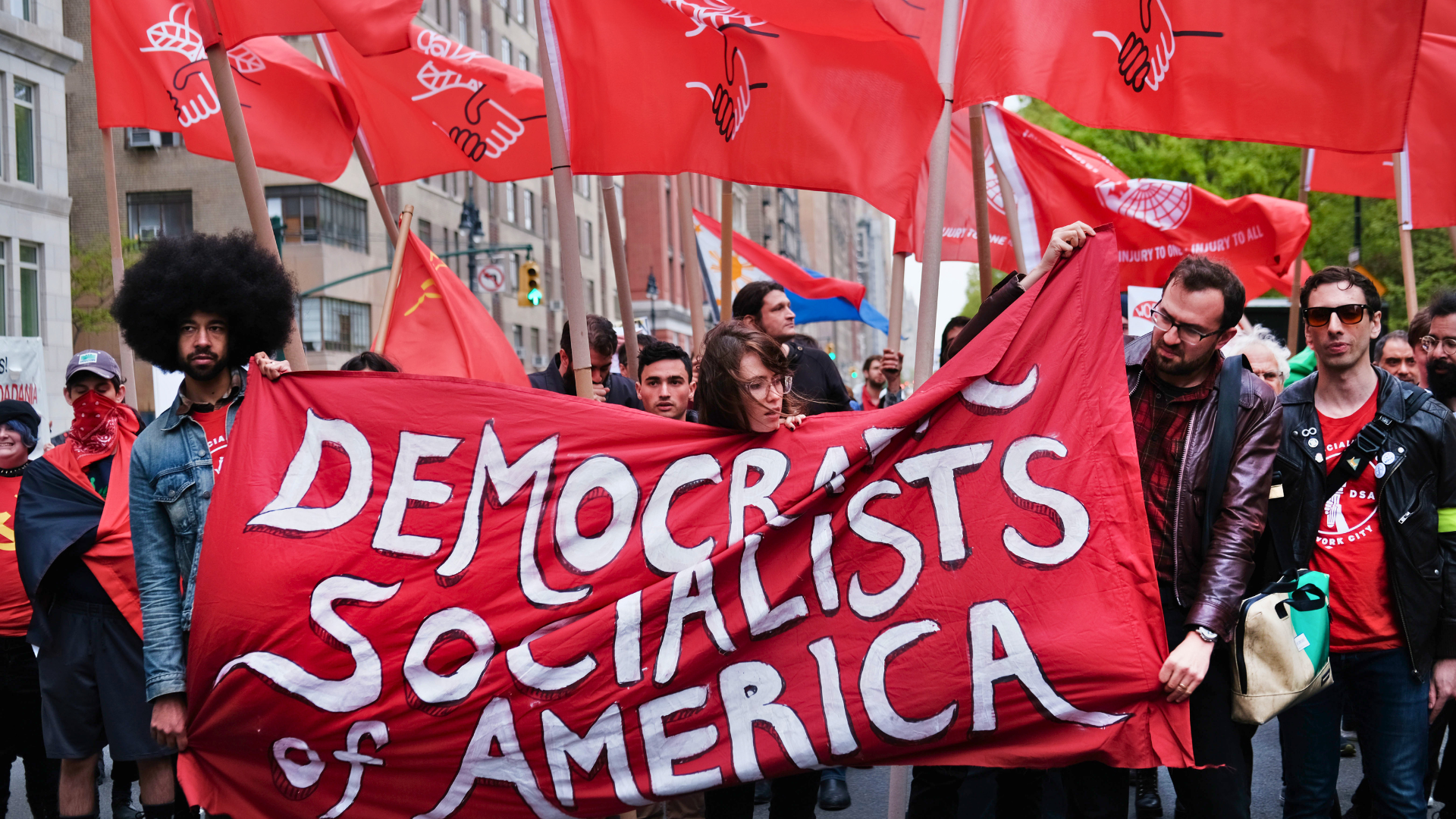
The other side of the race is being cast as something far more aggressive. Democrats are being tied to the ideological pull of the Democratic Socialists of America, a movement Republicans describe as openly hostile to capitalism and comfortable with bigger government control. The warning is that these ideas do not stop at rhetoric, because they shape what Democrats fight for in Congress and in statehouses.
Republicans are hammering home that point by linking the left to policies like defunding police, weakening the Senate, packing the Supreme Court, and undermining gun rights. In this telling, those are not isolated talking points but pieces of a larger worldview that puts government above the individual. That contrast gives the GOP a clean line to draw, and it is one they want voters thinking about every time they hear the word “midterms.”
The criticism goes deeper than one election cycle. Republicans argue that socialism is not a harmless variation of liberal politics but a step toward a system that always ends in more control, less freedom, and fewer choices. They point to the failure of socialist and communist experiments abroad as proof that the promise of equality often gives way to shortages, fear, and stagnation.
That historical warning is doing a lot of work in the argument. The comparison is meant to remind voters that grand promises can hide ugly results, especially when the state is handed too much power over the economy and daily life. The message is straightforward: once government starts deciding what people can keep, where they can go, and what they can say, the rest gets dangerous in a hurry.
Republicans are also trying to make this feel less like theory and more like a lived American question. The country’s founding instincts favored self-rule, private initiative, and trust in ordinary citizens rather than permanent dependence on bureaucrats. That is the deeper pitch behind the campaign theme, and it is aimed at voters who may not care about ideology but do care about keeping their own lives in their own hands.
That is why the midterms are being framed as more than a routine vote. For Republicans, this is a chance to defend a country built on individual freedom against a political class that keeps reaching for more control. The choice, as they see it, is not subtle, and the pressure is on voters to decide whether they want less government in their business or a whole lot more of it.
