
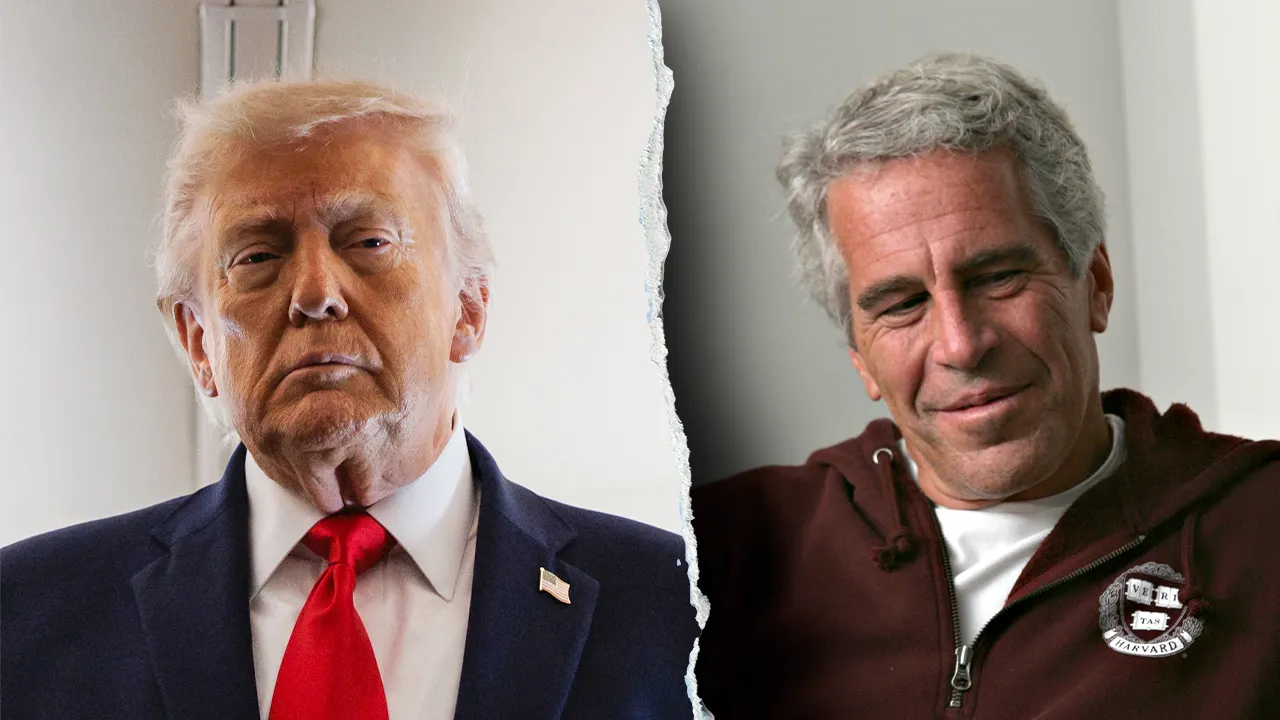
A new book from two reporters claims the White House spent months scrambling over Jeffrey Epstein fallout, and the administration’s private moves often didn’t match its public shrug. The reporting paints a picture of Situation Room meetings, heated arguments, and disagreements over how aggressively to respond, with significant political consequences for people on both sides of the fight.
The book called “Regime Change: Inside the Imperial Presidency of Donald Trump” draws on three years of reporting and includes an hour-long interview with the president. Reporters Maggie Haberman and Jonathan Swan lay out how the Epstein matter stayed on the White House radar even when officials insisted it was old news. That tension between public dismissal and private management drives much of the story.
White House officials repeatedly met to figure out how to handle the fallout from Trump’s long-ago association with Jeffrey Epstein. Some aides treated the allegations as settled political theater, while others argued the files and testimony would eventually surface and force a reckoning. The gloves-off discussions took place in the Situation Room, the book reports.
Vice President JD Vance pushed early and hard for a more proactive approach, warning that “appeared panicked,” according to the book, was the reaction from some who disagreed with him. Chief of Staff Susie Wiles reportedly dismissed Vance as a conspiracy theorist, but he predicted what would come: congressional pressure to make more materials public. In this account, his concerns proved durable.
At one point the team debated whether to pardon Ghislaine Maxwell, who is serving a prison sentence for sex trafficking. “Pardoning Maxwell, a trafficker of young girls, would create a huge P.R. problem,” Communications Director Steven Cheung warned, and that blunt assessment underscored the political danger of any leniency. The argument showed how far the choices reached into reputations and legal risks.
Trump publicly framed the controversy as a partisan attack, calling it a “SCAM” and a “hoax” by Democrats, while privately he grew visibly frustrated as aides pushed different tactics. He even said he’d asked Attorney General Pam Bondi to seek release of grand jury testimony “based on the ridiculous amount of publicity given to Jeffrey Epstein.” That request highlighted the tension between public posture and behind-the-scenes maneuvering.
Tempers flared. Deputy FBI Director Dan Bongino, who later returned to podcasting, lost his cool in one meeting and told Bondi, “You f—– this thing up from the start,” he declared. “The way you’ve been talking about this — that dumb f—— charade with the Epstein files, the ‘They’re on my desk’ nonsense, all the promises to the folks out there.” Such episodes show how raw the frustration ran inside the circle.
Bongino and FBI Director Kash Patel urged a White House official that Bondi should step down, and the fallout rippled through staff ranks. Bongino eventually resigned and went back to his media work, while Bondi was dismissed later on, according to the narrative. Those departures were part political, part personal, and all symptomatic of the split over handling the files.
The reporting also touches on other players who felt squeezed by the controversy, from activists criticized for turning events into grievance fests to podcasters and pollsters tracking voter reactions. A memo from a Trump pollster put “Epstein files” among the top concerns in focus groups, showing the issue ranked behind inflation and foreign policy but ahead of some major topics. That ranking mattered in a campaign calculation sense.
One allegation detailed in the book comes from a previously retracted accuser and reads as thinly sourced in this telling, involving a secondary claim about an odd focus. The book leaves room for skepticism about that particular account, and the uneven credibility of sources shows up across the reporting. Still, the broader story keeps attention on how political teams respond when scandal threatens.
Bill Gates’s testimony this week, which underscores the wider circle of people who associated with Epstein and later said they’d been misjudged, ensured the issue remains alive. The book’s publication will likely keep the debate going, as Republicans make the case that political opponents weaponized the saga while the administration tried to contain the fallout. The contest over transparency and politics is far from over.

1 Comment
Keep in mind this Trump hit piece was written by two reporters from the bluedevil New York Times.