
I’ve been online since the early days, watched social media explode into the public square, and seen how that wild openness has both liberated speech and invited fresh threats to liberty. This piece looks at the messy tradeoffs: viral culture, the collapse of gatekeepers, political battles over censorship, and why the fight for an open internet matters now more than ever.
I remember the web before it was “worldwide,” and I still love the smell of a real newspaper, but social media changed the game. Ordinary people now shape narratives instant-by-instant, and that power is intoxicating and dangerous at the same time. What worries me is who gets to decide the rules for public speech when the stakes are national and global.
Freedom online is under attack from many directions, particularly from officials and activists who prefer centralized control. During the last presidential term, platforms coordinated heavily with establishment fact-checkers and regulators to manage how information flowed. That coordination felt like a cartel trying to decide what millions of Americans could see and say.
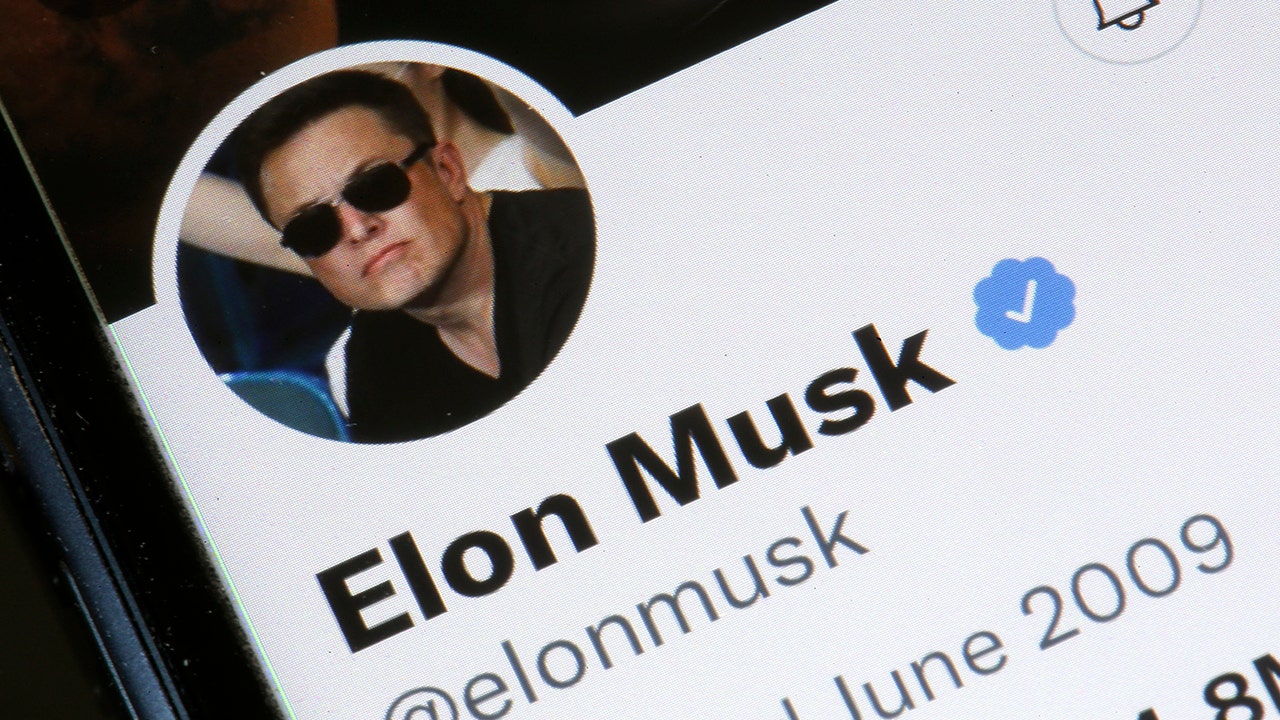
Then Elon Musk bought Twitter and the whole dynamic shifted, giving private citizens a fighting chance to push back on centralized censorship. At the same time, President Donald Trump’s comeback politicized the fight and exposed how much influence tech giants can wield. Those moves cracked open the gatekeepers and forced a broader debate about who gets to silence whom.
LOGAN WEBB DELETES X ACCOUNT AFTER LASHING OUT AT REPORTER, GIANTS FANS FOLLOWING EMBARRASSING LOSS
Social platforms amplify everything, from fleeting embarrassments to lasting reputations. Viral moments—whether a baffled woman and a square puzzle piece or a politician clipped into a thousand memes—stick with people far longer than traditional headlines did. That visibility can be a blessing for the overlooked and a curse for anyone caught in a bad clip.
Look at the cultural side: politicians like Marco Rubio became meme royalty, athletes score internet immortality with a single gesture, and everyday users can find audiences for niche passions. But the same tools make it easier for criminals, traffickers and predators to coordinate and thrive in the shadows. Spend enough time online and you’ll see humanity’s best and worst in the same feed.
The internet broke the old gatekeeping model where a few publishers decided everything we read and believed. That shift exposed biased narratives from major outlets and forced them to answer to the public in ways they never had to before. Stories like the Hunter Biden laptop and the Russia collusion saga showed how social platforms can surface facts that establishment media tried to bury.
EYEBROW-RAISING CLAIM FROM ‘HUNTER BIDEN’ X ACCOUNT DRAWS GOP MOCKERY
Freedom has a cost. Popularity outpaces our ability to sort truth from lies, so bad actors weaponize outrage and misinformation. We’re also fighting a global smear machine that demonizes entire groups, sometimes using old tropes worse than the made-up “Protocols of the Elders” of Zion. That kind of poisonous rhetoric spreads fast and does real damage.
Even violent terror groups have learned how to use videos and posts to glamorize barbarism, and too much of the internet applauds or normalizes that. Meanwhile, Western democracies that once championed free speech are leaning toward regulation and identity checks that threaten anonymity and basic rights online. The U.K., parts of the EU and other allies are moving in a direction that looks less like moderation and more like control.
When regulators in Europe and Britain press American firms to follow their rules, it creates a dangerous patchwork where speech legal at home is policed abroad. That pressure has already led to fines, warning letters and threats aimed at U.S. companies and executives. If regulators succeed, American free speech standards could be quietly replaced by foreign rules engineered to punish dissent.
There used to be three approaches to online speech: total state control, heavy European-style regulation, and the American preference for liberty. Those lines are blurring. Some in the U.S. now favor the European path and would happily hand enforcement to transnational regulators. That’s a route to a much narrower public square and fewer honest debates.
President Abraham Lincoln warned that “this government cannot endure, permanently half slave and half free.” The same idea applies to the internet: you can’t enjoy half a free net and call it freedom. If the U.S. lets other systems dominate online speech, we risk losing the very tool that exposed corruption and pushed power to the people.
The fight for the future of speech online is far from over. Expect continued pressure from foreign regulators, friendly domestic allies who favor control, and corporate actors chasing safe harbor. If you care about free expression, now is the moment to pay attention and push back—because once those rules take hold, reversing them will be a heavier lift than we imagine.
