
Madison Square Garden turned into a flashpoint where sports and politics collided, and the moment deserved a clear-eyed look. This article examines the crowd reaction during the national anthem, the optics of a presidential appearance at a major sporting event, and what that scene signaled to conservative viewers. Read on for a direct take on why the night matters beyond the scoreboards.
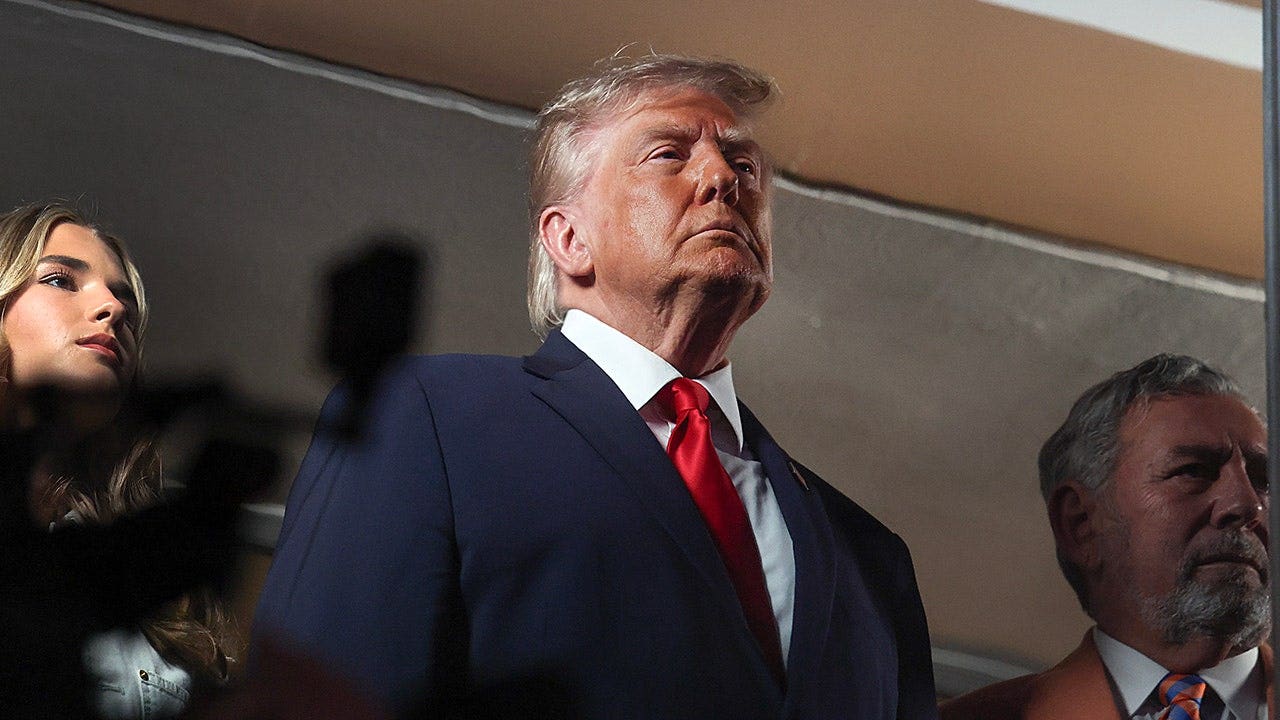
President Donald Trump received a mixed reaction from the sold-out Madison Square Garden crowd during the national anthem at NBA Finals Game 3 on Monday. Some people offered enthusiastic applause, others voiced disapproval, and the mix of responses made headlines faster than the game. That split reaction underlines how public appearances by a president still read as political acts no matter the setting.
Walking into a packed arena, Trump brought the presidency into a venue usually reserved for sports and entertainment, and that was the point. Supporters saw it as standing up for the anthem, the flag, and national pride in a space where those symbols can feel contested. For conservatives, visibility and conviction in public places matter more than avoiding a few boos.
It’s worth noting that turning a game into a political stage is something critics on the right have been reluctant to do in the past, but the modern moment leaves little room for neutrality. When the broader culture pushes political messaging into every corner of daily life, pushing back is a strategic choice, not a stunt. Showing up where Americans gather to cheer and debate is how movements stay relevant.
There will always be soundbite-driven reactions and pundit spins, but the image of a president standing for the anthem is plain and sharp. For many conservatives, that simple image cuts through hours of commentary and reflects a clear priority: the symbols and rituals that hold the country together. The mixed crowd response only highlights how polarized public squares have become, not whether the action itself had merit.
Political opponents will try to twist any boo into a political defeat and turn a cheer into a talking point, and the media will oblige with endless replay. That’s expected, and Republicans should treat the coverage as part of the battlefield rather than proof of failure. The real measure is how supporters react afterward and whether attending events like this strengthens grassroots momentum.
Attendance at major events shows two things at once: the appetite for public presence and the willingness of citizens to express differing views in real time. The sold-out crowd at Madison Square Garden was a reminder that smart conservatives can compete for attention in spaces once ceded to cultural rivals. Being visible and unapologetic about national symbols is a deliberate tactic that aims to reclaim cultural ground.
Expect this episode to live on in both attack ads and in supporters’ social feeds, each side using the same footage to tell opposite stories. Conservatives should keep showing up where people gather, focus on clear messaging, and let opponents’ overreactions do the damage. The takeaway is simple: presence wins narratives over time, and that principle played out under the lights at MSG.
