
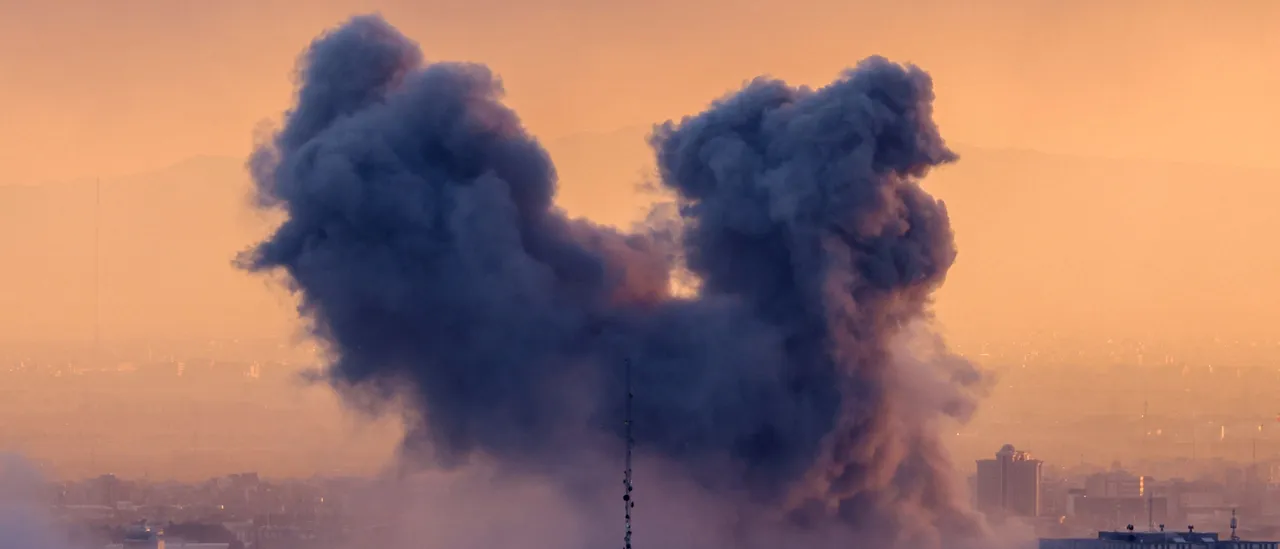
The Strait of Hormuz shutdown is squeezing global oil flows, spiking Brent crude and driving U.S. pump prices higher while producers scramble to store or cut output. This article breaks down how maritime disruptions, rising charter rates, and strained storage are translating into real costs for American drivers and inflation, and it highlights actions taken to protect U.S. interests. I lay out the economic mechanics, the shipping market fallout, the production cuts in the Gulf, and the practical implications for families and the economy. The tone is direct: energy disruptions are a national issue that demands decisive leadership and market-savvy fixes.
Oil benchmarks surged after attacks around the Strait, with Brent jumping sharply as export routes tightened. That move is already reflected at the pump where national averages climbed noticeably in days, pinching household budgets and local economies. Republican leaders have framed the spike as a consequence of hostile behavior and a failure of global stability that makes domestic energy policy a priority.
Shipping through the Strait has stalled because operators are refusing to risk flagged routes without workable insurance and security guarantees. Insurance markets and war risk premiums exploded, forcing many tankers to divert or sit idle rather than transit a high-risk choke point. The result is crude stranded at terminals and storage tanks filling fast, a problem that squeezes producers and raises the chance they will scale back output.
“The closure of the Strait of Hormuz has put the issue of crude storage capacity in the Middle East Gulf front and center,” Kayrros Chief Analyst Antoine Halff wrote Tuesday on LinkedIn. Satellite-based market intelligence shows tanks and export terminals approaching capacity, which means producers must either slow wells or shut them entirely when storage tops out. Those production cuts can become longer-term supply constraints, keeping prices elevated even after the immediate danger passes.
Market mechanics make the math simple: when Brent climbs, U.S. gasoline follows. Historically, roughly every $10 per barrel increase in Brent translates into significant cents per gallon at the pump. With Brent pushing toward higher levels, that arithmetic points to routine household pain—more expensive commutes, pricier deliveries, and upward pressure on headline inflation when energy costs feed through to other goods and services.
Tanker markets reacted violently, with Very Large Crude Carrier charter rates surging as owners demand premium pay for risk or permit detours that add days to voyages. Higher freight costs get baked into the landed price of oil, adding another layer to what consumers pay at the pump. A constrained fleet willing to take the route leaves the global shipping market more fragile and more expensive at the same time.
Iraq and other Gulf producers are already trimming flows because they have limited places to pile the oil they cannot export. When major exporters curtail volumes for storage reasons, world spare capacity shrinks fast and any new shock drives prices higher. For the United States, that means domestic energy policy and strategic reserves matter more than ever: supply buffers and rapid deployment options help blunt the blow to American families.
The political response has been to offer protections to commercial operators and to press international partners to reopen shipping lanes, while also highlighting the need for resilient domestic production. From a Republican perspective, that means defending freedom of navigation, ensuring insurance markets function, and getting U.S. energy online where it can offset global shortfalls. Practical moves now can reduce reliance on foreign chokepoints and make American consumers less vulnerable next time.
At the same time, higher oil prices have fiscal and monetary ripple effects, nudging inflation higher and complicating economic policy. Policymakers watching core inflation will see energy-driven volatility in headline figures and must balance short-term relief with long-term stability. For voters, the immediate takeaway is clear: disruptions in the Gulf mean higher prices at home unless leaders secure supply, reopen trade lanes, and keep American production robust.
const observer = new MutationObserver((mutations) => { const adDivToHide = document.querySelector("#dailycaller_incontent_1"); if (adDivToHide && dc_noads_page) { adDivToHide.classList.add("hide-premium", "hide-free"); observer.disconnect(); console.log("Ad div found and hidden"); } }); observer.observe(document.body, { childList: true, subtree: true });
(new Image()).src = 'https://capi.connatix.com/tr/si?token=739c4263-c671-4316-b7cf-ecd244900844&cid=9c4d09f1-aa3e-4da1-ad63-362d562ecfad'; cnx.cmd.push(function() { cnx({ playerId: "739c4263-c671-4316-b7cf-ecd244900844" }).render("59f64f116598417b8d610477330f5a3e"); });
const observer2 = new MutationObserver((mutations) => { const adDivToHide2 = document.querySelector("#dailycaller_incontent_2"); if (adDivToHide2 && dc_noads_page) { adDivToHide2.classList.add("hide-premium", "hide-free"); observer2.disconnect(); console.log("Ad div2 found and hidden"); } }); observer2.observe(document.body, { childList: true, subtree: true });
const observer3 = new MutationObserver((mutations) => { const adDivToHide3 = document.querySelector("#dailycaller_incontent_3"); if (adDivToHide3 && dc_noads_page) { adDivToHide3.classList.add("hide-premium", "hide-free"); observer3.disconnect(); console.log("Ad div found and hidden"); } }); observer3.observe(document.body, { childList: true, subtree: true });
