
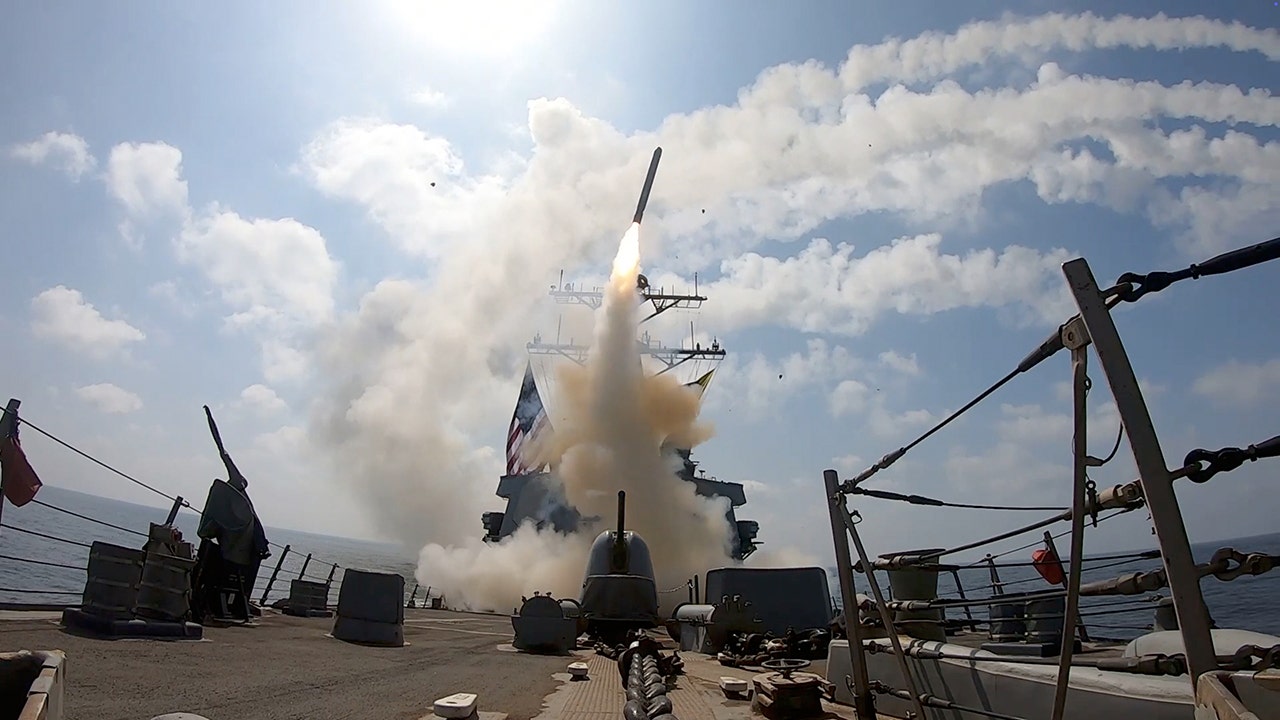
Trump’s campaign against Iran is being framed as a clear-eyed, hard-edged push that puts pressure on Tehran without drifting into the kind of muddled, endless mess that has burned America before. The argument rests on a simple idea: Iran is weaker than it looks, its regional shield has thinned out, and the U.S. is finally using that opening with purpose. The result, according to this view, is a rare moment where American force, sanctions, and coordination are all pointed in the same direction.
Supporters of the operation say the threat from Iran has been building for decades, not weeks. Since 1979, the regime has backed terror groups, crushed dissent at home, and poured money into missiles, drones, and nuclear ambitions while ordinary Iranians have dealt with the fallout. That mix of repression and aggression is why the conflict is being treated as more than a routine foreign-policy fight.
One of the biggest reasons this approach is seen as timely is that Iran no longer enjoys the same strategic cushion it once did. The old setup depended on geography, oil leverage, and a web of regional proxies that could absorb pressure and retaliate when needed. That picture has changed fast, with Hamas and Hezbollah weakened, Assad gone, and the Houthis hammered by force and resolve.
Energy policy has also shifted the terrain. With American production strong and allies less dependent on Iranian leverage, Tehran’s threats against shipping and oil markets carry less punch than they used to. Even the Strait of Hormuz, long treated as a giant pressure point, matters differently when the U.S. and partners are prepared to absorb shocks and keep commerce moving.
The broader message here is that deterrence works best when the enemy believes the consequences are real. For years, Iran benefited from caution, hesitation, and half-measures that let the regime buy time while expanding its reach. That era is giving way to a tougher posture, one that aims to deny Tehran the luxury of slow escalation.
What sets this effort apart, in the eyes of its defenders, is the lack of fog around the mission. The goal is not to occupy Iran, rebuild its politics, or sell some grand remake of the Middle East. The goal is narrower and sharper: stop the nuclear threat, break the machinery of proxy warfare, and keep Iranian power from spilling outward through missiles, terror, and intimidation.
That sharper mission is part of what critics of earlier wars say was missing in the Global War on Terror. The old model blurred enemies, dragged out objectives, and encouraged nation-building projects that had little to do with winning. It left the U.S. stuck in grinding conflicts where the finish line kept moving and the cost kept rising.
The comparison to past White House approaches is equally blunt. The Obama-Biden years are cast as a season of indulgence, where sanctions relief and payouts bought temporary quiet while Iran kept advancing its capabilities. In this telling, that policy did not restrain the regime so much as give it room to breathe.
By contrast, the current pressure campaign is described as aggressive in all the right places. Air power, maritime interdiction, sanctions on banking and shipping, and close cooperation with Israel and regional partners have tightened the vise. Tehran’s leaders are being forced to deal with damaged defenses, disrupted trade, and a shrinking menu of options.
The regime’s own behavior has made the problem more obvious. Executions, arrests, censorship, and internet shutdowns show a government more afraid of its people than of its enemies abroad. That fear matters, because a government that treats its citizens like a threat is usually not in great shape when the pressure turns up.
Even so, the endgame is where things get tricky, and nobody serious pretends otherwise. Fanatical regimes are unpredictable when they are cornered, and they can lash out before they fold. Still, the push underway is built on the belief that hesitation has cost too much already, and that staying on offense is the only way to keep the upper hand.

1 Comment
Still need to strike
IRGC prisons to free inmates
& ammo depots to free guns
for inmates
Hit other IRGC positions