
Fall cleanup has a way of sneaking up on people. The mower gets one last run, the trimmer does its final pass, and then everything heads into storage with the hope that spring will be kind. A little prep now can save a lot of frustration later, especially when cold weather, moisture, and stale fuel start working against your gear.
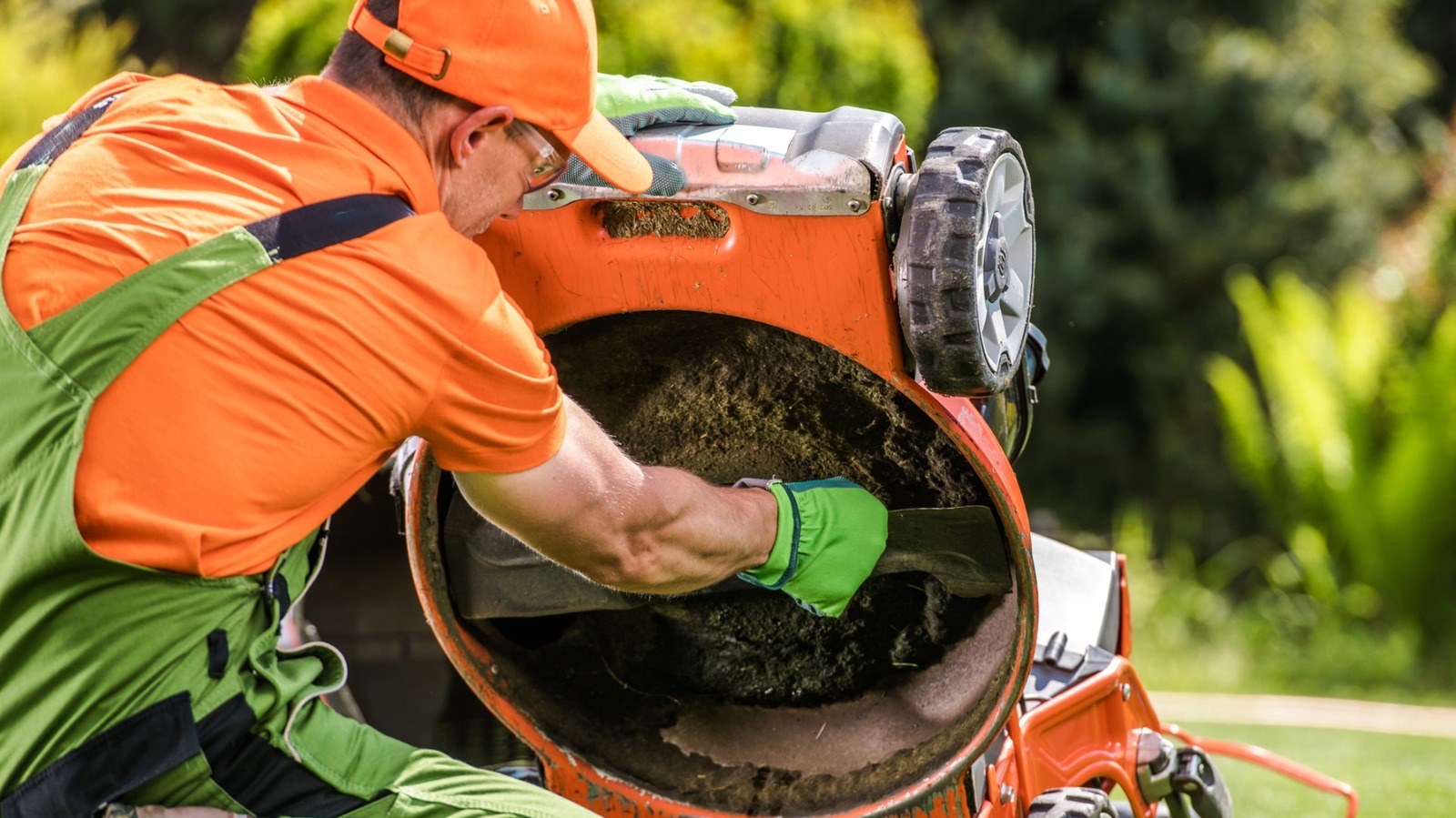
Gas-powered tools need a careful reset before they sit for months. Start by clearing off dirt, grass, oil, and any other grime, then inspect the blades and swap them out or sharpen them if they need attention. It also helps to handle routine maintenance now, like changing oil, checking the spark plug, and protecting bare metal with a rust-inhibiting spray.
Fuel is where a lot of winter headaches begin. Old gas can leave behind residue that gums up tiny engine passages and makes spring startup miserable, even when non-ethanol fuel is used. Draining the tank completely or filling it with fresh fuel treated with stabilizer are both solid approaches, and running the engine briefly afterward helps move that treated fuel through the system.
That last step matters because the carburetor is often the first place trouble shows up after storage. A machine that ran fine in October can turn stubborn in April if leftover fuel has turned into varnish inside the works. Taking a few minutes now is a lot easier than yanking a starter cord over and over when the weather warms up again.
Battery-powered tools deserve just as much attention, even if they do not deal with fuel problems. They should be cleaned thoroughly, and any exposed metal should be checked for corrosion or wear. Saw blades, mower decks, and similar parts still benefit from a quick inspection before they disappear into storage.
Batteries are the big concern with these tools. They should be examined for damage and stored at the charge level recommended by the manufacturer, since that can vary quite a bit from one brand to another. Some want a full charge before storage, while others are happier sitting at a partial charge, sometimes as low as 40 percent.
It is also smart to separate batteries from both the tool and the charger. Leaving them connected for months is not the move, and the charger should be unplugged when it is not being used. That simple habit helps reduce unnecessary wear and keeps everything in better shape for the next season.
Where the tools are stored matters too. A cool, dry space is the goal, along with protection from moisture, freezing temperatures, and heat swings that can be rough on plastic, rubber, and electronics. A garage, shed, or storage area that stays fairly stable through winter gives your equipment a much better shot at making it to spring without drama.
There is a certain satisfaction in putting yard gear away the right way. Clean tools, stable fuel, healthy batteries, and a decent storage spot all work together to keep the next round of outdoor chores from turning into a repair project. By the time the first warm day rolls around, the tools that were treated well in fall will be ready to jump back in.
