
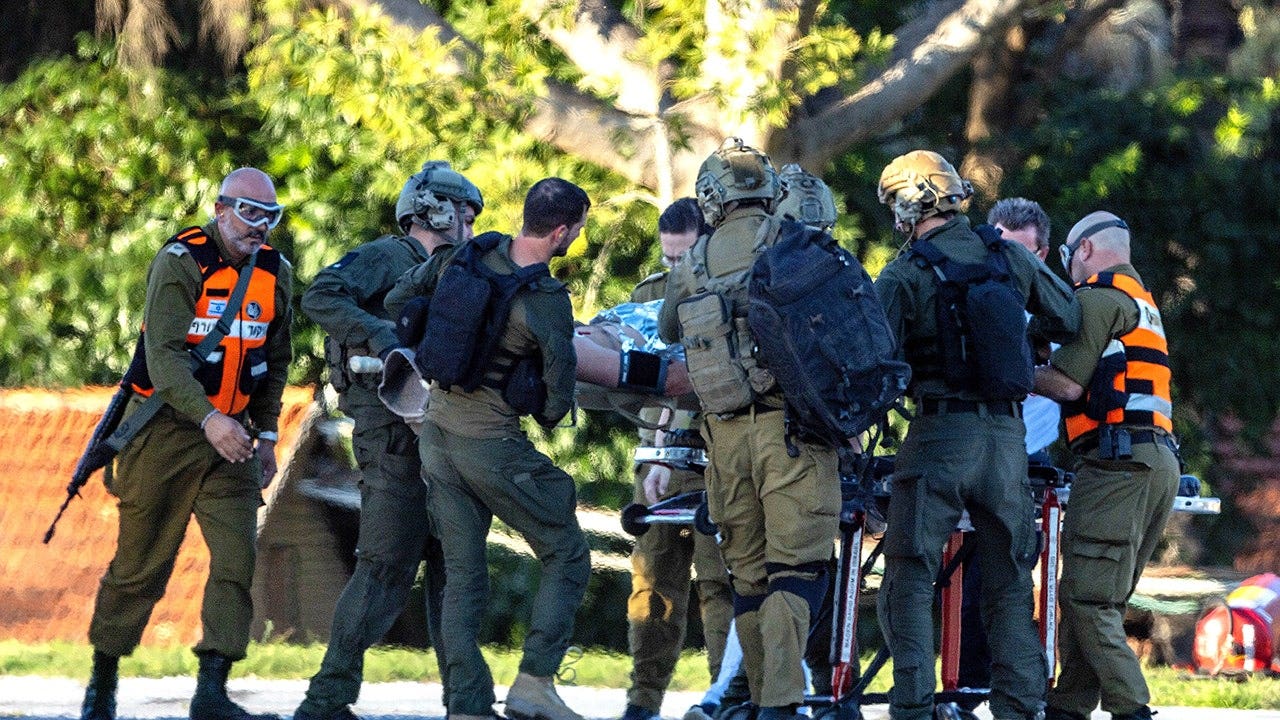
The loudest fights in world politics can swallow everything in sight, but the daily work of helping wounded Israeli veterans rebuild their lives tells a different story. Inside rehabilitation centers across Israel, prosthetics, trauma care, education, family support and adaptive sports are turning raw survival into something steadier, tougher and deeply human.
While governments spar over sanctions and settlements, the people who need attention most are often the ones far from the podiums. Many of Israel’s wounded service members are young reservists who were juggling jobs, studies and family life before injury changed the calendar in an instant. For them, recovery is not a neat chapter, it is a long road filled with surgeries, therapy, emotional strain and the stubborn business of starting over.
That shift is bigger than a medical issue. A lost limb is not just about mobility, and trauma is not just a private burden tucked away out of sight. It reaches into work, marriage, parenting and identity, which is why the language around recovery matters so much.
Inside these rehabilitation centers, the focus stays on dignity. People are not reduced to labels, and the aim is not to pretend the damage never happened. The goal is to help each person move forward with tools, support and a community that understands exactly what has been taken and what still remains to be built.
The scale of the need is enormous. More than 90,000 disabled veterans are part of Israel’s rehabilitation effort, and the numbers have climbed sharply since the war triggered by Oct. 7. Many of the injured are younger than previous generations of veterans, which means the burden is measured not in months but in decades.
That is why prosthetics are only one piece of the picture. A wounded 24-year-old may need a replacement limb, but he also needs long-term physical therapy, psychological care, vocational training and sometimes a completely new career path. Without that support, recovery can stall in a painful middle ground where a person survives but never really regains footing.
The centers also serve the families who carry the fallout at home. Spouses, children and parents often absorb the shock alongside the injured veteran, and the best rehabilitation systems recognize that healing rarely stops with one person. When the family gets support too, the path back feels less lonely and a lot more possible.
There is also a strong athletic edge to the recovery process. Adaptive sports, including swimming, archery and other demanding programs, give wounded warriors a way to rebuild strength, confidence and discipline without pretending they are who they were before. For some, that environment becomes the doorway to higher-level competition, including Paralympic success.
What makes it powerful is how ordinary the victories can be. One veteran who struggled to lift an arm in winter may be placing a medal around his daughter’s neck by summer. Another may speak openly about PTSD for the first time in a room full of men who already know the weight of that silence.
That is where the real story lives, not in the noise of boycotts or the theater of headline outrage. It lives in early-morning laps in the pool, in a counseling session that finally lands, in a scholarship that opens a new future, and in the kind of stubborn rebuilding that turns a shattered year into a workable life.
