
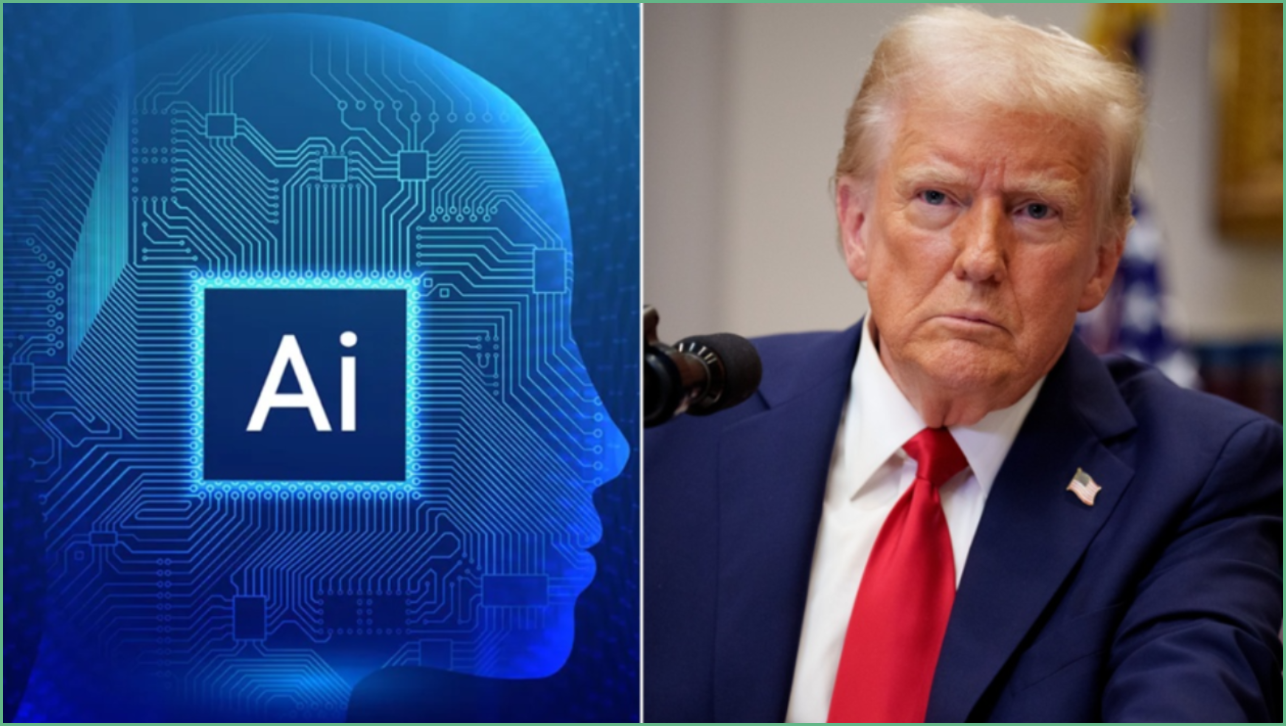
The piece warns that a real “AI bubble” looms over markets and politics, explains why cautious investors and Republican leaders should take that risk seriously, highlights David Bahnsen’s public warnings and credibility, and argues that GOP incumbents must prepare politically and rhetorically for fallout while still pushing a firm national strategy to compete with China.
Markets were waiting on Nvidia’s quarterly report when this column was drafted, which could either thrill investors with a clear “beat” or disappoint them by any margin. That uncertainty does not change the central point: an obvious “AI bubble” has materialized in investing circles. The timing of a correction matters less than the political consequences when the euphoria ends. Voters and politicians seldom trace causes with precision once pain sets in.
David Bahnsen, a friend and long-time investment professional, has been warning that exuberance around AI could leave many exposed. He spoke plainly in national coverage that if buyers stop coming “on the dip” there will be real market pain. His reputation earned my attention and prompted a deeper look into the logic behind his caution. Bahnsen lays out historical parallels to past bubbles in a way that is hard to ignore.
After I shared his comments on X and added my take, Bahnsen sent a message directing me to his latest podcast at “The Dividend Cafe,” where he unpacks the math and the behavioral drivers behind the run-up. I am not a professional investor, and my own portfolio is conservatively allocated because my age favors capital preservation. Still, persuasive logic and a sober review of bubble history matter, whether you trade stocks daily or hold cash. Bahnsen’s warning is aimed at protecting ordinary savers from overexposure to speculative fever.
He is neither a polemicist nor a habitual naysayer; his approach is careful, analytical and politically aware. That credibility matters in center-right circles where clear-eyed market analysis is respected. His dual role as analyst and commentator gives his warning a larger reach than a routine market note. People listen because he frames risk in plain terms, not just technical jargon.
The political stakes are immediate and stark. Massive private investment in data centers and AI infrastructure dwarfs government spending, even after the Chips Act of 2022. If the boom collapses, the political cost will fall on incumbents and those in power, not necessarily because of fair attribution but because voters look for culpability. The GOP should recognize this dynamic now and prepare accordingly.
History shows that voters punish the party in power after big economic busts, regardless of who actually caused the excess. Republicans were hurt after 2008 despite complex roots for the housing crisis, and the same crowding-out of blame can happen again if an AI-led correction cascades into other asset classes. That risk raises the possibility that opponents with “Trump Derangement Syndrome” would gleefully try to tie any downturn to current GOP leadership. Political damage is seldom tidy or rational.
So what should Republican leaders do? Publicly express caution about the rapid pace of the AI buildout while simultaneously insisting America must win the AI and quantum races against the People’s Republic of China. That balance protects national security priorities and sends a sensible private-market message. It is a practical, politically smart stance: defend strategic investment without endorsing speculative overreach.
At the same time, GOP officials should urge prudence to voters about concentrated bets in a single, hot sector. Politicians should avoid giving specific investment advice, but they can and should warn citizens that past market performance is not a guarantee of future returns. That kind of caution is not a shield, but it is responsible leadership and could blunt some political fallout.
Republicans must prepare contingency messaging for a correction that frames the party as competent and concerned rather than defensive or dismissive. Emphasis should be on protecting savers, enforcing market discipline, and maintaining the national commitment to technological leadership. Voters expect both economic stewardship and strong national security posture, and a steady voice now can make a difference at the ballot box.
The era of grand private bets on AI changes everything, from corporate balance sheets to daily politics, and both investors and elected leaders have to act with open eyes. Forewarned is forearmed, but forewarned is not immunized, so realistic, plainspoken caution from Republican leaders will be essential as this story unfolds.
