
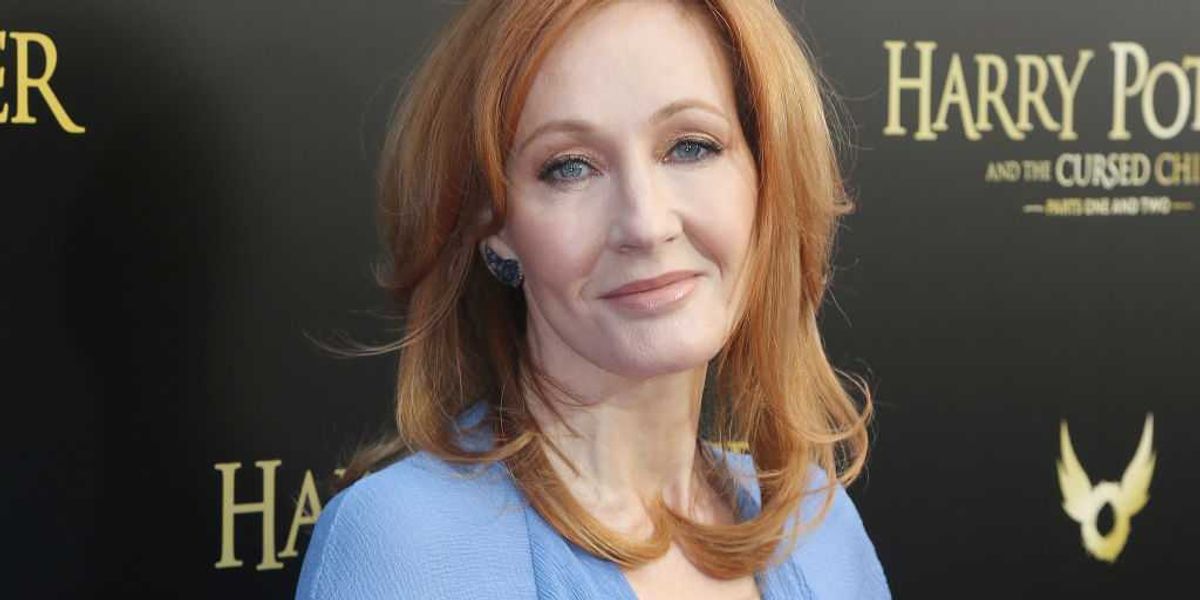
Harry Potter still has a strange grip on the culture, but the latest round of online noise showed that fandom can get very messy, very fast. A simple test turned into a referendum on what people think the series means now, and the reaction said as much about modern internet politics as it did about Hogwarts. The main topic here is front and center: Harry Potter fans, the debate around the franchise, and the way social media can twist a pop culture conversation into something bigger.
What should have been a fun little trivia moment instead exposed a familiar split. Some people came in ready to flex their knowledge of the books and films, while others used the moment to score points in a broader argument about identity, ideology, and the way entertainment gets pulled into every heated issue online. That is the part that keeps happening with major franchises, especially ones with such a huge and emotional fan base.
Harry Potter has always been more than just a story about wizards, house points, and magical school drama. For millions of readers, it was a gateway into reading, imagination, and a world that felt bigger than the one outside their window. But once a franchise reaches that level of cultural weight, people start projecting all kinds of meanings onto it, and that is when the arguments really take off.
Much of the latest chatter revolved around how some fans seem more interested in the politics of the franchise than the actual details of the story. That kind of shift says a lot about the current media environment. Instead of celebrating the books, the characters, or the world-building, people often jump straight to fights over what the series is supposed to represent in the culture war.
That is why even a harmless test can become a mini-storm. The internet rewards outrage, exaggeration, and quick judgments, so a simple wrong answer or a clumsy take gets blown up in seconds. In that sense, the reaction tells a broader story about how online communities often punish nuance and reward whichever side can shout the loudest.
There is also the reality that Harry Potter remains one of the most recognizable brands in entertainment, which means every new flare-up gets dragged into the spotlight. Fans who grew up with the series can feel protective of it, while newer audiences often approach it through a completely different lens. Those two groups do not always meet in the middle, and when they clash, the whole thing can turn into a spectacle.
One of the funniest, and most frustrating, parts of all this is how quickly a fictional universe gets treated like a political battlefield. People are no longer just debating whether a character was brave, cruel, or misunderstood. They are turning the conversation into a test of loyalty, identity, and allegiance to whatever cause they think the franchise should support.
That dynamic also explains why certain characters, themes, and quotes keep resurfacing in online arguments. Folks love to point at Hogwarts villains, especially the smug, controlling types, and use them as shorthand for real-world frustrations. It is a lot easier to toss around a pop-culture comparison than to make a clean argument, and social media absolutely feeds on that kind of shortcut.
Still, the staying power of Harry Potter is hard to ignore. Even years later, the series keeps generating reaction, parody, nostalgia, and fresh debate, which is more than most franchises can claim. That level of attention can be a blessing, but it also means every new viral moment comes with baggage attached.
At the end of the day, the online pile-on around the test was less about magic and more about the strange way fans now consume culture. People want their entertainment, but they also want validation, identity, and a fight worth joining. Harry Potter is still casting a spell over the internet, and every time the fanbase gets lit up, the reaction proves just how much power the series still holds.
