
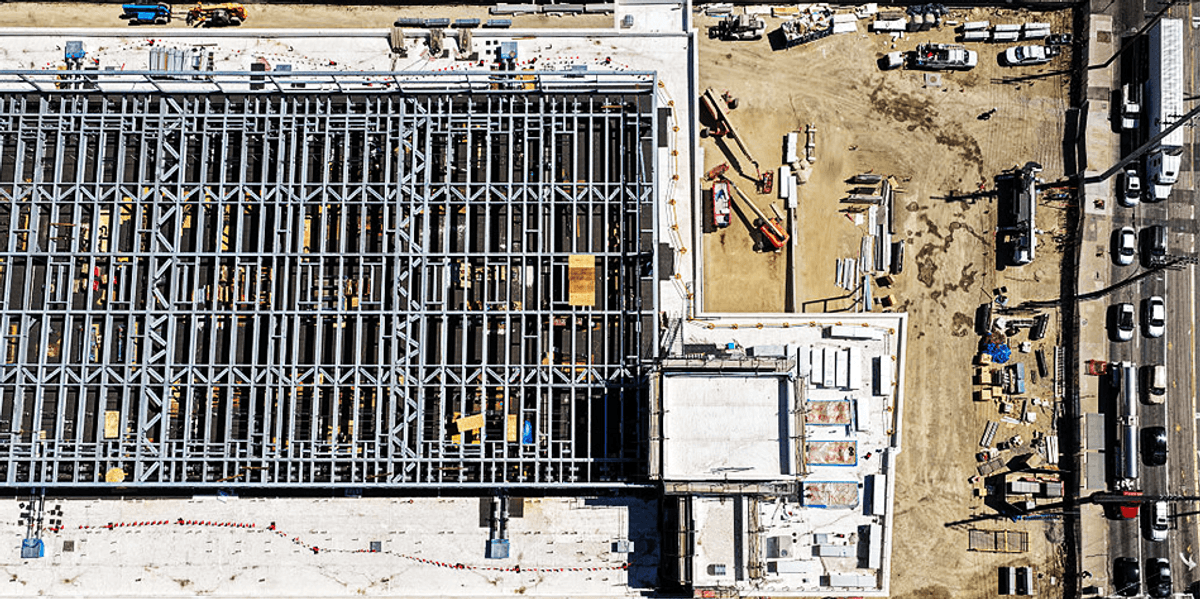
Data centers have become one of the biggest quiet engines in the modern economy, and they are not going away any time soon. They power the apps, platforms, cloud tools, and artificial intelligence systems people use every day, while also driving a wave of construction, investment, and local tax revenue. That makes the debate around them bigger than just a piece of industrial real estate.
It is easy to look at a proposed data center and see only the size of the building, the power demand, or the traffic during construction. What gets missed is the larger ecosystem that comes with it, from skilled trades and contractors to long-term operations jobs and support services. For many communities, that mix can mean new money flowing in without the boom-and-bust feel that sometimes comes with other big projects.
The construction side alone can be a major lift. These facilities often require electricians, welders, concrete crews, engineers, security teams, and specialized equipment, which means steady work for a wide range of workers before the doors even open. Once the site is up and running, the project still supports maintenance, technology, and logistics jobs that can stretch on for years.
There is also the tax impact, and that is where a lot of local leaders start paying closer attention. A well-placed data center can help expand the tax base, giving counties and towns more room to fund schools, roads, emergency services, and other public needs without squeezing residents as hard. In places looking for reliable economic anchors, that kind of upside matters.
Supporters also point out that data centers tend to attract further investment around them. When major tech infrastructure lands in an area, it can send a signal that the community has the power capacity, transportation access, and business climate needed for more growth. That can help pull in related projects, from contractors and suppliers to smaller firms that want to be nearby.
Of course, none of this means communities should shrug and accept every proposal that comes along. Residents have legitimate questions about energy use, land use, water demand, and whether local infrastructure can handle the load. The smart move is not to pretend those concerns do not exist, but to weigh them against the jobs, spending, and long-term value the project can bring.
That tradeoff is especially important at a time when the economy keeps leaning harder on digital services. Streaming, remote work, cloud storage, artificial intelligence, and online commerce all depend on huge amounts of computing power behind the scenes. If people want the convenience and speed of that digital world, someone has to build and maintain the backbone that keeps it running.
There is a political angle here too, and it is one that often gets overlooked in public debate. Too many communities talk themselves out of growth because they focus only on the objections, while other places roll up their sleeves and capture the benefits. The result is predictable: one town gets the jobs and tax revenue, and another gets left with the complaint.
That does not mean every data center is automatically a win, but it does mean the conversation should be grounded in facts instead of reflexive resistance. If a project brings construction work, long-term employment, a broader tax base, and stronger private investment, that is worth serious attention. Communities that understand that basic math are usually the ones that come out ahead.
The bigger picture is simple: data centers are part of the infrastructure of the future, and the places that host them can gain real economic leverage. The challenge is to make sure the deal is sensible, the power plan is realistic, and the community gets something meaningful in return. When that happens, the payoff can reach far beyond the fence line and keep building momentum long after the cranes leave town.
