
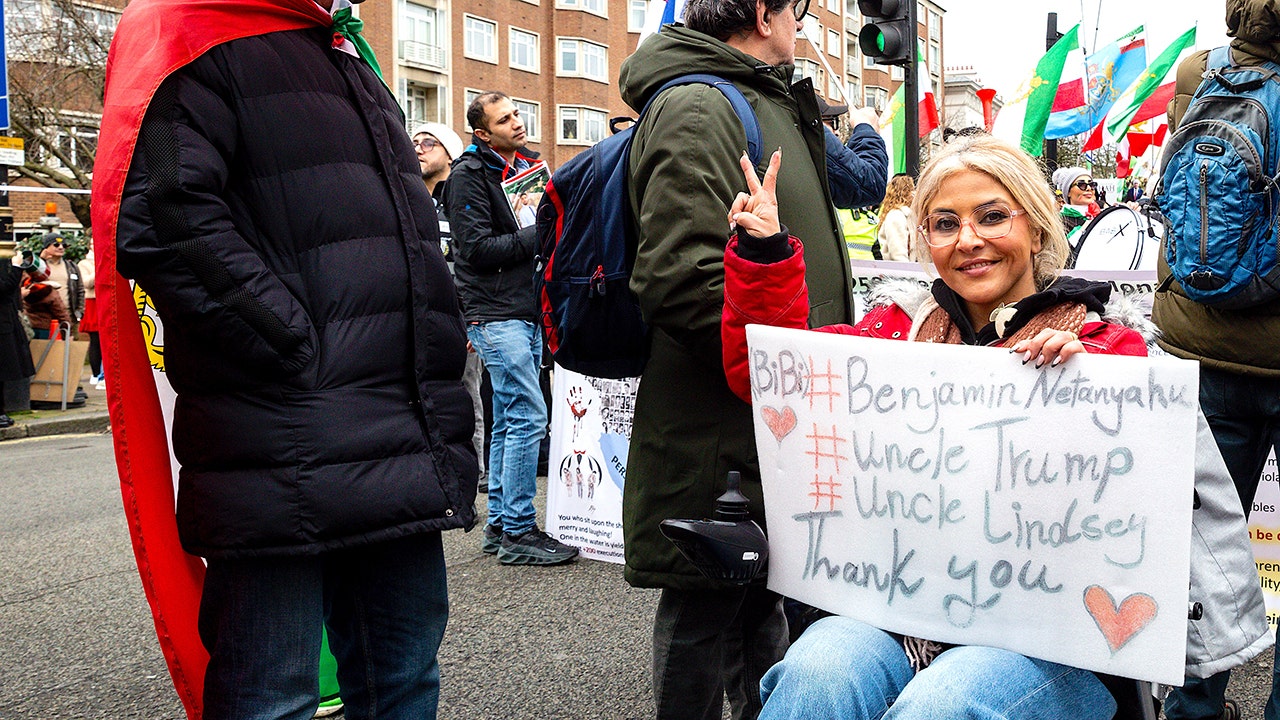
This piece argues that strong, unapologetic leadership from figures like “Uncle Trump” and Benjamin Netanyahu has reignited hope among many Iranians and supporters of Israel, highlighting decisive policies, solidarity with persecuted communities, and a potential shift in the region driven by courage and conviction.
Across private conversations and public demonstrations, “Uncle Trump” and Bibi have become shorthand for boldness and clarity in a chaotic world. For people who yearn for freedom, those names stand for resistance to appeasement and a willingness to defend core values. This article looks at the actions and symbolism that matter to those watching events unfold from Tehran to Washington.
Donald Trump made policy moves that changed the map of U.S.-Israel relations, recognizing Jerusalem as Israel’s capital and relocating the embassy. He acknowledged Israeli sovereignty over the Golan Heights and helped broker agreements that reshaped regional diplomacy. Those steps sent a message: America would no longer pretend neutrality meant inaction.
Trump’s approach also confronted hostile ideologies, not just with talk but with clear policy choices that pushed back against antisemitism. The boldness of those choices drew sharp criticism from global elites but also earned deep appreciation from people who view strength as the best deterrent. In moments like these, unapologetic defense of allies matters more than political popularity.
Benjamin Netanyahu has carried heavy burdens, leading Israel through years of constant threats and complex wars of ideas. He has stood as a national watchman against forces that openly call for Israel’s destruction, even as international commentators cast judgment without knowing the day-to-day stakes. His steady insistence that Israel’s survival is nonnegotiable resonates with those who refuse to trade security for approval.
Many Persians themselves reject the regime’s official rhetoric, including chants of “Death to Israel,” and remember a very different shared history with Jewish communities. Ancient bonds and cultural memories make the blanket hostility of Tehran unrepresentative of many ordinary Iranians. That distinction matters when evaluating who truly speaks for the people and who speaks for a revolutionary clique.
The Persian people are heirs to a long civilization, and countless citizens privately hope for a future where liberty replaces fanaticism. Western observers who only see the mullahs miss the nuance and the potential for change inside Iran. Those who want freedom often see external defenders of liberty as catalysts for that possibility.
Recent developments on the battlefield and behind the scenes delivered sharp blows to the regime’s capabilities, with reports of destroyed missile systems, drones, and key military infrastructure. Its air and naval strength took serious hits and the economic and military toll has been described in staggering terms. Such damage can open a narrow window for political change if it is followed by wise leadership and popular courage.
The original piece reported that “The leaders of this murderous regime are no longer in power” and named a list of officials claimed to be among the dead. Those claims, whether partial or complete, feed the broader sense that the regime is trembling as its ability to intimidate citizens erodes. When fear loosens its grip, ordinary people begin to imagine alternatives to tyranny.
President Donald Trump wrote, “Israel never talked me into the war with Iran. The results of Oct. 7 added to my lifelong belief that Iran can never have a nuclear weapon.” He added, “The results in Iran will be amazing,” and suggested that if new leaders are wise the nation could have “a great and prosperous future.” Those words signal a view that military action and political vision can combine to clear the path for renewal.
As reprisals and internal crackdowns increase inside Iran, arrests, executions and intimidation show a regime that fears its own people more than outside enemies. That panic strengthens the moral argument for those who stand openly with freedom and with Israel. Courage is contagious, and regimes that rule by fear weaken when citizens begin to see alternatives.
This moment is not just about strikes and statements. It is about people reclaiming the right to hope and allies refusing to shrink from uncomfortable choices. Leaders who choose clarity over concession may be unpopular with certain elites, but history often rewards those who defend truth and liberty under pressure.
Opposition will always come from critics who prefer the safety of equivocation, but standing firm is what wins in the long run. From Tehran to Jerusalem to Washington, millions are placing their trust in leaders who will not surrender their principles for easy applause. That belief in brighter days, fueled by decisive leadership, keeps the struggle for freedom alive.
