
The talks between the United States and Iran in Pakistan reopened old wounds for a family that never got answers, and they highlight a larger demand: hold Iran accountable for hostage-taking and seize the assets that could pay victims. This piece tells one wife’s story of loss, explains why past administrations failed to secure justice, and lays out a clear Republican case for using executive tools to force Iran to pay.
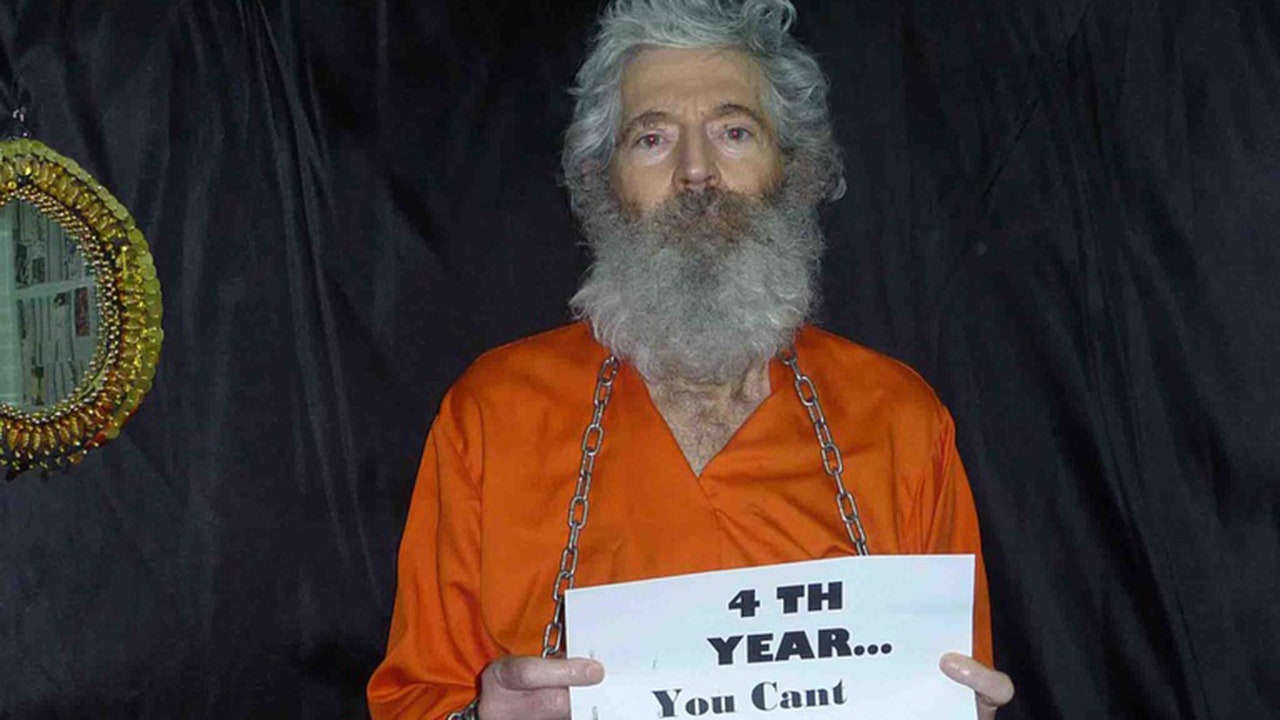
In March 2007 my husband, Robert Levinson, was taken by Iranian operatives during a mission that should never have ended in captivity. For years Iran denied custody, then offered taunting proof in a video and photos, while my children and I were left without meaningful answers or a return. We eventually learned he died in Iran’s hands, a truth that has been painfully slow to surface.
The FBI has named officials tied to his abduction and the Ministry of Intelligence and Security is implicated in the campaign that led to his detention and death. One of those named operatives, Mohammad Baseri, was reportedly killed in early strikes that targeted Iranian assets. Another, Reza Amiri Moghadam, showed up at negotiations in Islamabad, and his presence felt like a slap to every American who demands accountability.
Moghadam was sanctioned and wanted by the FBI for his alleged role in my husband’s case, yet he sat across from our vice president as the U.S. considered talks. That is intolerable to a family that has waited nearly two decades for truth and for remains. It is a stark reminder of how badly Iran treats Americans and how poorly we have been served by leaders who fail to press the matter.
President Barack Obama had leverage in 2016 when the Iran deal was implemented, but instead cash was flown into Tehran and my husband remained behind. The previous administration’s decision to deliver $1.7 billion in cash while refusing to extract clear answers about Levinson left a bitter mark. President Joe Biden later left my husband out of a prisoner exchange while moving forward with massive payouts that again left victims unpaid and families unserved.
There is a clear contrast with President Donald Trump, who changed the posture toward Tehran and took actions many other leaders only talked about. He designated Iran as the first State Sponsor of Wrongful Detention and mounted a pressure campaign that included targeted strikes on Iranian nuclear infrastructure and leadership. That posture signals a real willingness to use strength and tools of statecraft rather than rhetoric.
If any president could have compelled Iran to return Bob alive, I believe President Trump would have tried every option to do so. He has emphasized a no man left behind ethos and demonstrated operational willingness in recent rescues and recoveries. For families like mine, that difference between talk and action is everything.
I want three simple, tangible things: to know what happened to Robert Levinson, to have his remains returned so he can rest, and to see those responsible held to account. Words and condolences are not enough; the law provides mechanisms for remedy. American victims of Iranian hostage-taking hold roughly $2 billion in outstanding judgments and there are billions more in frozen assets that Iran wants access to desperately.
The president already signed NSPM-2 directing senior officials to “pursue all available means to collect on court-ordered judgments against Iran and state sponsors of terrorism.” That policy existed long before this Islamabad meeting, but what is missing is the political will to execute it and to direct frozen funds to satisfy victims’ judgments. A portion of the $6 billion and other frozen assets could make victims whole and still leave Iran with money to spend.
For too long, successive administrations paid Tehran and let families pay the price. It is time for the United States to use the legal authorities available and the leverage that exists to make Iran pay tangible consequences. My husband served his country for three decades; he did not deserve to be left behind in every deal we made with Tehran.
