
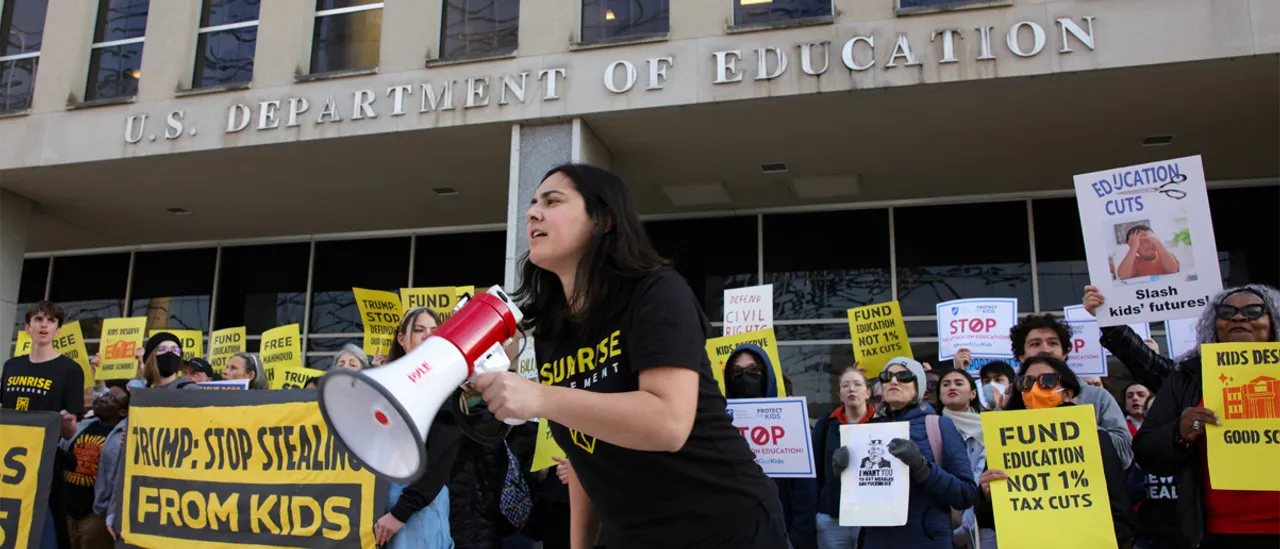
The Department of Education has unveiled a new initiative aimed at transforming federal workforce development. This move includes the transfer of responsibilities and funds to the Department of Labor, marking a significant shift in how workforce programs will be managed. The goal is to establish the Labor Department as the central hub for these initiatives, aligning with the Trump administration’s strategy to gradually reduce the Education Department’s role.
Education Secretary Linda McMahon expressed confidence in the Labor Department’s capability to manage and streamline career and adult education programs effectively. “The Trump administration is committed to ensuring that all Americans are prepared for a fulfilling and meaningful career,” McMahon emphasized. This collaboration aims to connect workers with training for in-demand jobs.
In March, President Trump signed an executive order mandating the closure of the Department of Education, transferring authority to states and local communities. This decision is part of a broader effort to dismantle federal bureaucracy and return control to local entities. The administration sees this as a pivotal step toward empowering local governments.
The Education Department has already begun redistributing its responsibilities. Some student loan programs are moving to the Small Business Administration, while special needs and nutrition programs are transitioning to Health and Human Services. Despite a court ruling reversing a staff reduction, the department’s restructuring continues.
In July, a partnership was announced between the Education and Labor Departments to enhance workforce development. This collaboration seeks to create an integrated federal education and workforce system. The aim is to streamline processes and better serve the American workforce.
The recent partnership marks a significant shift in management, transferring select education programs to partner agencies. The move aligns with Trump’s executive order to consolidate workforce development efforts. The focus is on connecting workers with high-need, well-paying jobs.
Through these reforms, the administration intends to eliminate unnecessary bureaucracy. By doing so, they hope to advance skills required for future job markets. Secretary of Labor Lori Chavez-DeRemer is optimistic about the collaboration’s impact.
Chavez-DeRemer highlighted the importance of training programs in securing mortgage-paying jobs for Americans. “The Department of Labor has an exciting and important role to play here,” she noted. She expressed enthusiasm for working with Secretary McMahon and state partners.
The executive order also instructed agencies to reform and improve federal workforce programs. The goal is to make it easier for Americans to enter skilled labor fields. This initiative is part of a broader strategy to ensure job security and economic growth.
McMahon emphasized the benefits of the workforce development partnership for state programs. She expressed pride in implementing commonsense reforms alongside Chavez-DeRemer. These efforts aim to better serve students, families, and states.
The Trump administration’s focus on workforce development is seen as a step toward economic prosperity. By reducing federal oversight, they hope to foster a more efficient education system. The reforms are intended to empower states in managing their programs.
The Education Department’s restructuring reflects a commitment to decentralization. By transferring responsibilities to other agencies, the administration aims to enhance program effectiveness. This approach aligns with conservative values of limited government intervention.
The partnership between Education and Labor is a testament to the administration’s reform agenda. By consolidating programs, they seek to eliminate redundancy and improve service delivery. The goal is to ensure that workforce development meets the needs of today’s economy.
These changes are part of a larger effort to streamline government operations. The administration believes that reducing federal involvement will lead to better outcomes for Americans. The focus remains on creating a workforce prepared for future challenges.
The shift in responsibilities to the Labor Department underscores a commitment to workforce excellence. By centralizing programs, the administration aims to provide better training opportunities. The ultimate goal is to secure well-paying jobs for American workers.
The Trump administration’s actions reflect a desire to empower states in education and workforce matters. By returning control to local entities, they hope to enhance program efficiency. This approach is rooted in a belief in local governance.
Through these initiatives, the administration seeks to create a more effective workforce system. By reducing bureaucracy, they aim to improve program delivery and outcomes. The focus remains on preparing Americans for success in the job market.
