
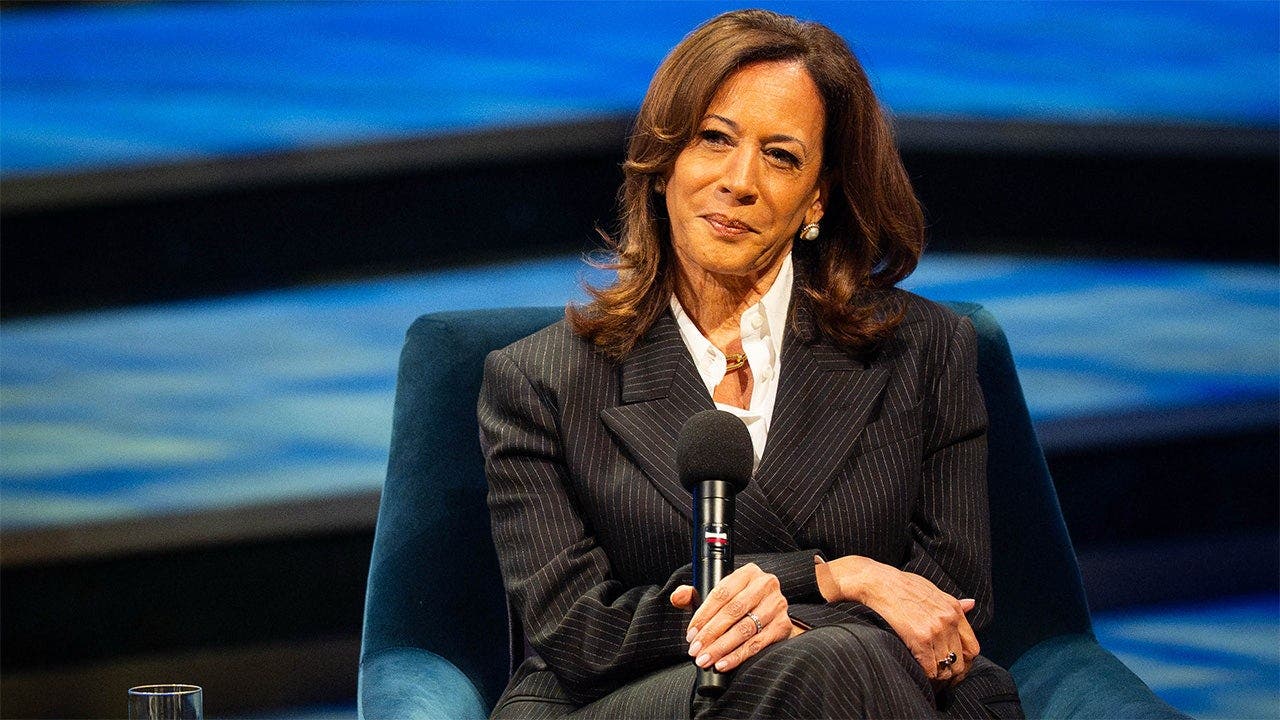
Kamala Harris is keeping her options open for 2028, but she is making it clear that the next big fight is 2026. In Detroit, she leaned hard into the idea that midterm turnout will shape everything that comes after, while also leaving her own future on the table. The message was simple and sharp: the road to the White House still runs straight through the ballot box.
During a fireside chat with NAACP leaders, Harris was asked point-blank whether another presidential run is on her mind. Her response was cautious, but not evasive, as she said she has not decided whether she will run again. She quickly shifted the conversation to the urgency of the midterms, saying that the years ahead depend on what happens first.
“I do, I do sincerely believe 28 won’t matter if we don’t get through 26.”
The line landed as the kind of warning politicians love to repeat when they want to sound both future-focused and grounded in the present. Harris framed the moment as one where voters cannot get distracted by long-range speculation while the immediate stakes are still so high. The whole point, at least from her perspective, is to keep attention on the elections happening now.
She also talked about traveling the country and reminding people that their voices still carry weight, especially with the 2026 elections approaching fast. That part of the pitch matched the broader tone of her appearance in Detroit, where the emphasis was less on party theater and more on turnout, pressure, and persistence. It was classic campaign energy without the usual formal declaration that tends to come with a presidential launch.
The Detroit event was her second stop of the day and brought her into a conversation moderated by Rev. Dr. Wendell Anthony and Rev. Dr. Genetta Y. Hatcher. Before Harris even touched the 2028 question, Anthony had already urged the crowd to vote and referenced early and mail-in voting, setting the table for a message built around action rather than hype. Harris was also handed “take your souls to the polls” merchandise, a reminder that the setting was meant to stir enthusiasm as much as political discussion.
Earlier that same day, Harris appeared alongside Michigan Democratic Senate nominee Abdul El-Sayed at a roundtable focused on Black maternal health and healthcare costs. She used that setting to criticize President Donald Trump’s healthcare policies and throw her support behind El-Sayed, keeping the focus on local issues with national consequences. That mix of policy talk and campaign backing showed how she is still operating as a top-tier Democratic figure, even without saying what comes next for her personally.
Her appearance in Michigan also reinforced how central the state remains to Democratic strategy. With the midterms looming, Harris has been leaning into battleground travel and public appearances that are designed to rally voters, not just party insiders. The message is less about nostalgia for the 2024 race and more about keeping the energy alive where it can actually move votes.
Harris became the Democratic presidential nominee in 2024 after Joe Biden ended his reelection campaign, then went on to lose to Trump. That history still shapes every public move she makes, because every new appearance invites the same question about whether she plans to try again. For now, she is not answering with a launch, but she is definitely not closing the door.
