
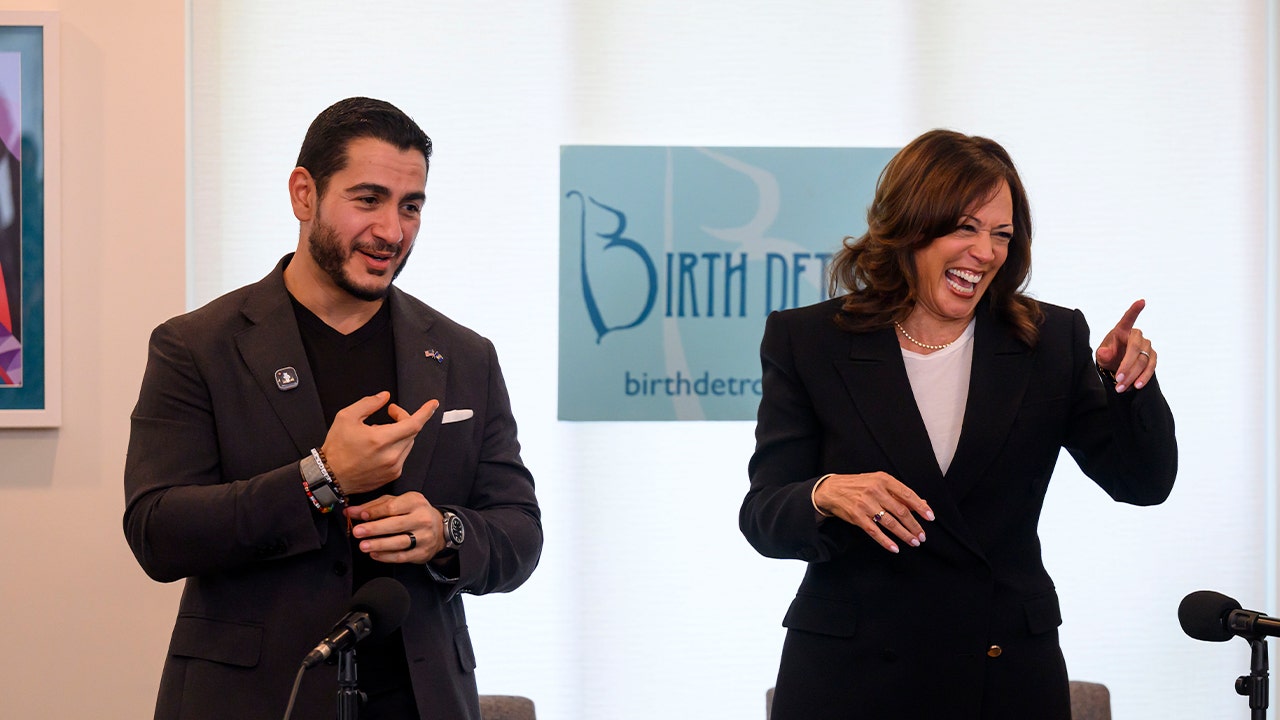
Kamala Harris used a Detroit campaign appearance to tie together DEI, maternal health, and Democratic messaging ahead of the midterm battle. Speaking alongside Michigan Senate nominee Abdul El-Sayed, she framed the issue as a direct fight over who gets safe care, who gets heard, and whether health systems actually work for women who need them most.
Harris told the crowd that an attack on diversity, equity, and inclusion is really an attack on maternal care, especially for Black women and other groups that have long faced worse outcomes. She argued that pregnancy, childbirth, and postpartum care cannot be separated from broader questions about fairness in medicine and access to basic treatment.
The setting mattered just as much as the message. The event brought together healthcare advocates focused on Black maternal health and rising medical costs, giving Harris a stage to connect policy language with the real-world strain many families feel when care is hard to find or too expensive to afford.
Her remarks leaned hard into the numbers. Harris pointed out that maternal mortality remains sharply uneven across racial groups, saying Black women can face up to four times the risk of death and Native women up to three times the risk. That gap, she suggested, is not some abstract statistic but a warning sign about where the system still fails.
She also said that one in 12 women in the United States lives in what she called a maternal care desert, where access is limited or nonexistent. That kind of shortage turns routine pregnancy care into a gamble, and it gives the debate over hospitals, clinics, and insurance a much more urgent edge.
Harris then widened the argument beyond DEI itself, taking aim at political leaders who talk a big game about family values while backing policies that, in her view, weaken support for mothers. Her criticism was blunt: if lawmakers are serious about families, then they should not be cutting away the protections and resources that help women get through pregnancy safely.
Medicaid was another major target in her remarks. Harris called it the biggest source of maternity care funding in the country and blamed Trump-era health legislation for slashing support, arguing that the damage landed hardest on people already stuck in fragile health situations. She also tied those cuts to Republican Senate nominee Mike Rogers, saying he supported the bill that drove them.
That line of attack was classic Harris political theater, but it was also aimed at something broader than one race in Michigan. By linking Medicaid, maternal care, and DEI, she tried to make the case that health policy is inseparable from culture-war fights now dominating the national conversation.
El-Sayed, who has built much of his appeal around health care and economic fairness, fit neatly into that message. Harris made clear she sees him as a strong voice on maternal health, describing him as someone who would fight for the issue and keep it front and center if elected to the Senate.
Her support for El-Sayed was personal in tone and sharp in purpose. Harris said she knew he would be a champion on the subject and insisted she had every right to say it, a line that gave the moment a campaign-rally feel while keeping the focus on care, cost, and who gets left behind when politicians start cutting.
