
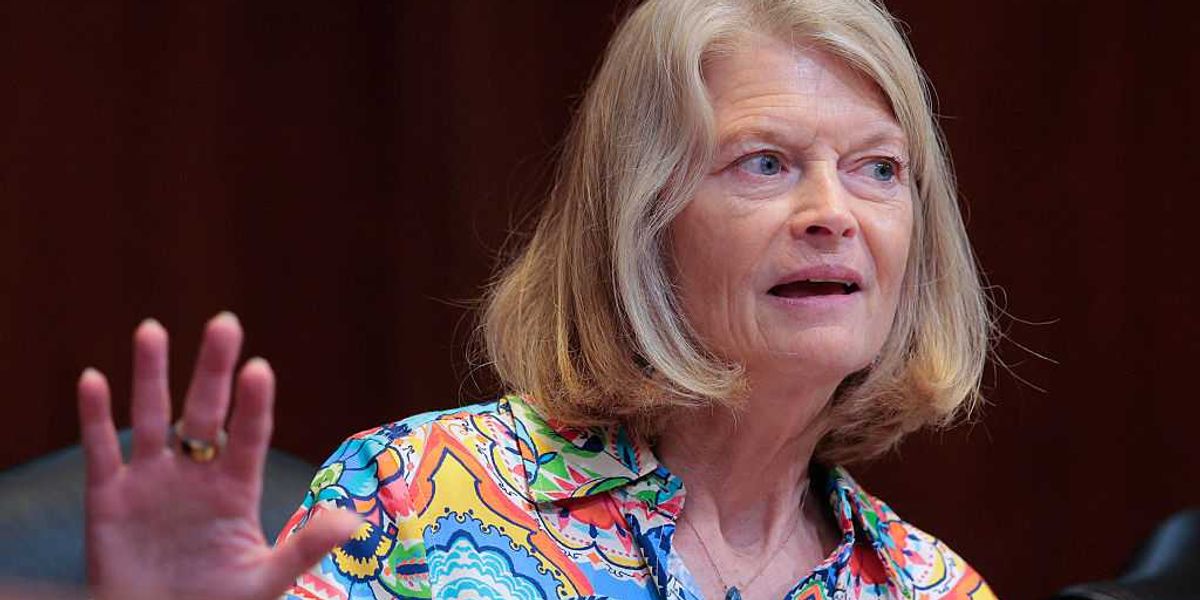
Sen. Lisa Murkowski is once again signaling she plans to make life difficult for a Trump-aligned nominee, this time putting herself in the middle of the fight over Todd Blanche. The move fits a familiar pattern on Capitol Hill, where a handful of Republican senators routinely break from the party line and turn confirmation battles into public spectacles. For voters who expect the GOP to back its own team, this kind of resistance lands like a brick through a window.
The dispute centers on Blanche’s path toward confirmation and the sharp divide it is creating inside the Republican conference. Supporters see a qualified pick with the backing of a president who wants a tougher, more disciplined Justice Department, while critics are already treating the nomination like a proxy war over Trump himself. That means the hearing room is not just about credentials, but about loyalty, power, and who gets to define the party’s future.
Murkowski’s posture is no surprise to anyone who has watched her career. She has built a reputation as one of the Senate’s most reliable Republican holdouts, especially when a nominee or policy target comes with Trump’s fingerprints all over it. In Washington, that gives her a lane to play the “independent” card, but from the conservative side, it often looks like a senator using her seat to hand Democrats a bonus vote.
The backlash is not just about one person in one confirmation fight. It reflects a deeper frustration with Republicans who talk a big game at home, then hesitate when the moment calls for a firm party line in Washington. That split has haunted the party for years, especially on high-stakes nominations where every vote matters and every defection gets magnified.
Blanche’s nomination also taps into something bigger than personalities. The Department of Justice has become a central battlefield in the larger fight over law enforcement, accountability, and whether the system will be used fairly or as a political weapon. Conservatives looking at the process want a nominee who will clean house, restore trust, and stop the endless game of selective outrage that has defined so much of recent Washington politics.
That is why the resistance from Murkowski is drawing attention far beyond Alaska. Her state gives her political insulation, and she knows it, which is part of why she keeps landing in the middle of these fights without paying the same price other Republicans might face. But insulation is not the same as leadership, and plenty of voters are tired of watching senators treat major confirmations like a chance to audition for the opposition.
The reaction also shows how little room there is for nuance once a nominee becomes a symbol. Blanche is now being judged through the prism of Trump, which means the debate is less about specific qualifications and more about whether the Senate wants to reward the administration or slow it down. That kind of politics has become standard operating procedure, and it explains why confirmation votes now feel more like trench warfare than oversight.
Republicans who still care about delivering results have a simple argument here: if voters elect a GOP president and a GOP Senate, the party should not kneecap its own agenda before it even gets started. That does not mean every nominee should glide through without scrutiny, but it does mean internal grandstanding should not become the default. With fights like this, the real story is not just who gets confirmed, but who is willing to stand behind the mandate they asked voters for in the first place.
