
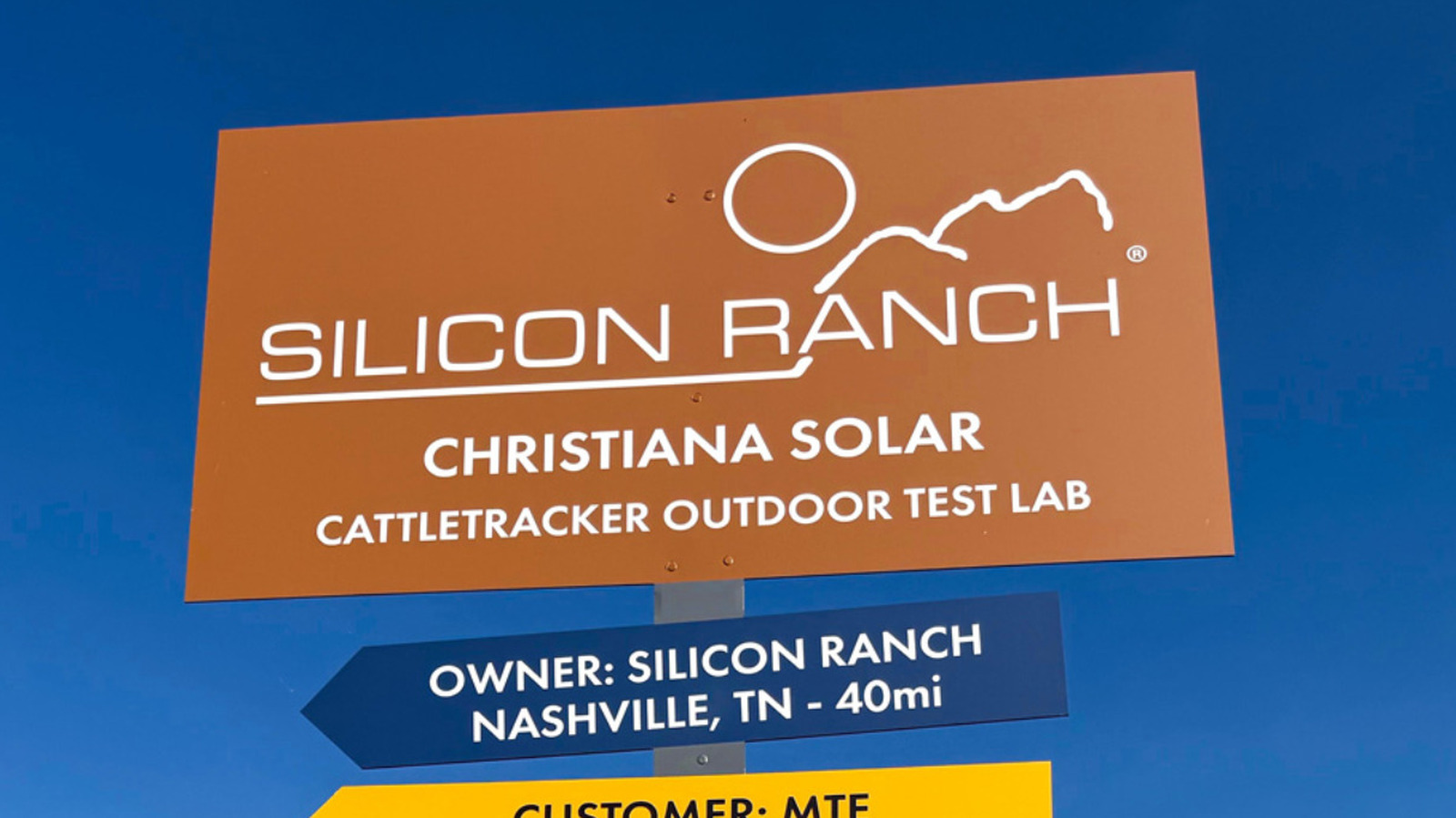
Under the shade of solar panels in Tennessee, a pilot is showing how farms can produce food and clean energy on the same acreage, reshaping the economics and ecology of agriculture. This piece explores the experiment, the practical wins and hurdles, and what it could mean for farms chasing both harvests and revenue.
Out in Tennessee fields, arrays of photovoltaic panels are elevated above crops, creating a sun-dappled environment rather than full exposure. Farmers and researchers are watching closely to see whether that partial shade helps or hinders plant growth, and early signs suggest there are real advantages for certain crops. Instead of a single use for land, this setup tries to get two returns from the same soil.
One immediate benefit is microclimate control. Panels lower daytime temperatures and cut direct sun, which can reduce water stress on plants during heat spikes and extend harvest windows. For heat-sensitive vegetables and some fruiting crops, that gentler environment often translates into steadier yields and less irrigation demand.
Energy production sits right above the rows, which turns land into a dual-income asset. Farms can use on-site electricity for pumps, cold storage, and processing, reducing their operating bills and dependence on the grid. Extra power can feed back into local networks or be sold under utility arrangements, giving farmers a new revenue stream tied to their land.
Economics are central to the experiment because installation and maintenance costs remain significant. Farmers weigh upfront expenses against longer-term returns from both crop sales and energy revenue, and not every site will make sense financially. Where soil, sunlight patterns, and market access align, however, the balance can tip favorably toward higher overall profit.
The physical design matters a lot for results. Panel height, row spacing, and tilt affect how much light reaches crops and how easily farm equipment can move between rows. Researchers are testing configurations to find sweet spots that let tractors pass, allow air flow to reduce disease pressure, and still capture ample solar power. Practical adjustments on small details often determine whether a system works smoothly for daily farm life.
Crop choice is another piece of the puzzle. Shade-tolerant vegetables, herbs, and certain berries are showing promise beneath panels, while full-sun staples may not fare as well. Some farms are experimenting with staggered planting, intercropping, and seasonal rotations to match plant needs with changing sun angles, which helps maximize both yield and panel efficiency.
There are ecosystem benefits too, including habitat for pollinators and reduced soil evaporation, which can improve long-term fertility and biodiversity on working lands. When managed thoughtfully, these systems can encourage beneficial insects and contribute to healthier soil structure. That ecological side adds value beyond immediate financial returns.
Challenges persist, from regulatory questions to equipment compatibility and supply-chain costs for specialized racking systems. Insurance and tax frameworks often lag behind new hybrid uses of farmland, creating uncertainty for early adopters. Still, pilot projects are generating data that can simplify permitting and design choices for the next wave of adopters.
At the human level, farmers are pragmatic about the trade-offs. Many embrace the idea of stabilizing income with energy sales, while others hesitate because of transition costs and design complexity. Success stories tend to come from operations that approach the model as integrated land management rather than a simple add-on.
What’s unfolding in Tennessee is a test of whether a practical marriage of panels and plants can be scaled. If the experiments continue to show reliable crop yields, lower input needs, and sensible energy returns, the model could change how farms think about land value, resilience, and climate adaptation. The outcome will hinge on smart design, supportive policy, and clear economic signals for farmers ready to try something different.
