
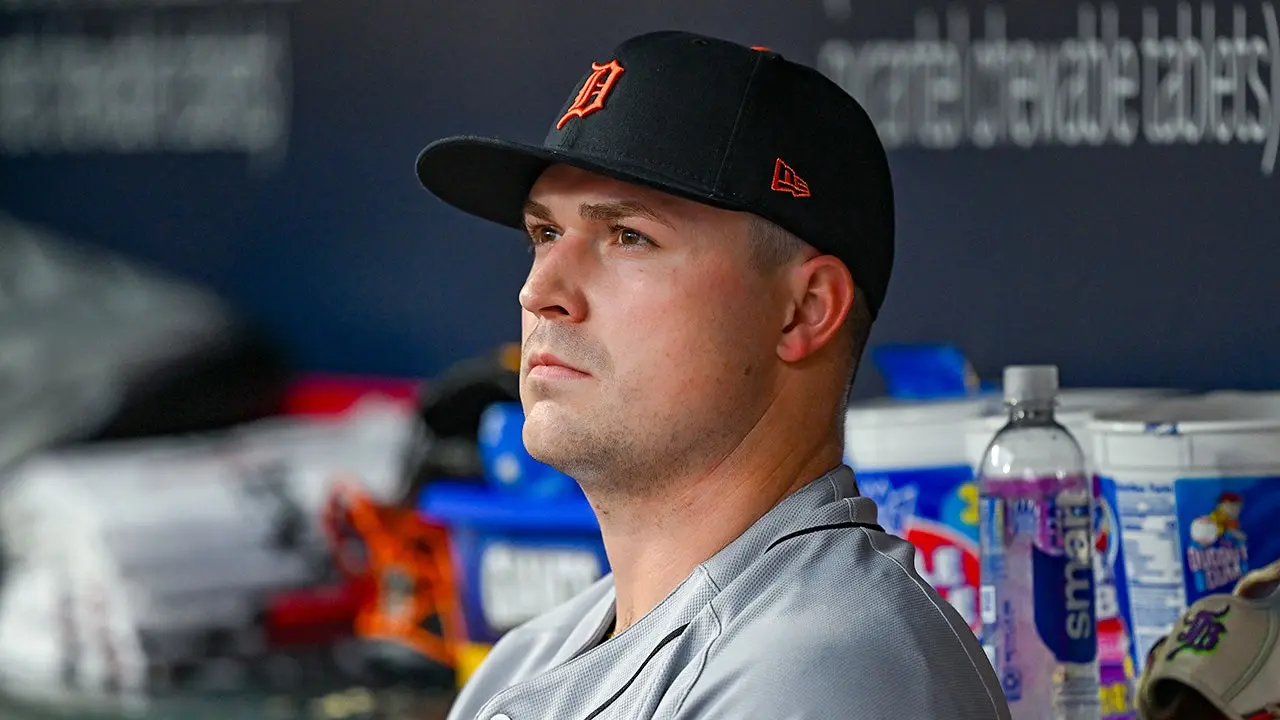
Tarik Skubal, the Detroit Tigers’ top starter, is set for arthroscopic surgery to remove loose bodies from his left elbow, a procedure that will keep him out for several months. The move aims to clear pain and mechanical irritation so he can rebuild strength and command without the distraction of fragments inside the joint. The Tigers now face the task of reshuffling their rotation and mapping a careful rehab plan while keeping the club competitive this season.
The procedure itself is minimally invasive, using small incisions and a camera to locate and extract loose fragments that can catch or grind inside the elbow. For pitchers, those loose bodies often cause sharp catching sensations and inconsistent control, so removal usually buys cleaner mechanics and less discomfort. Surgeons typically finish the operation quickly, but the recovery clock starts as soon as the swelling settles and physical therapy begins.
Expect the initial phase after surgery to focus on pain control and regaining range of motion in the elbow, which is critical for return to throwing. Strength and stability work follow, with progressive throwing programs introduced only when the joint tolerates stress. For elite arms, a carefully staged timeline can still mean months away from live games, as throwing hard on a mound with game intensity is the final hurdle of rehab.
Skubal has been a workhorse for Detroit, taking on big-league innings and delivering strikeouts with a heavy repertoire. Losing a frontline starter reshapes the rotation and forces the front office to decide whether to call up depth from Triple-A or extend someone already in the big-league mix. Either way, the Tigers will lean on their system and veteran presence to bridge the gap while Skubal rehabilitates.
The bullpen will likely see increased usage as starters get stretched shorter and the team shuffles innings to compensate for the absence of a top-of-rotation arm. That calls for clearer roles and quick decisions about matchups and leverage, because a taxed reliever corps can ripple through a long season. Management will also monitor workloads closely to prevent cascading injuries that arise when too many pitchers shoulder extra innings.
Long-term, removing loose bodies usually improves function and comfort, though no surgery is a guaranteed fix for every problem a pitcher faces. The goal here is straightforward: eliminate the mechanical interference so Skubal can reestablish his delivery and regain command. If the rehab goes smoothly, he could return sharper and more consistent, but patience and conservative timelines are essential for lasting results.
From a clubhouse perspective, losing an ace is a gut punch, but it also becomes a rallying point where younger pitchers get opportunities and veterans step up. Coaches and medical staff will coordinate daily to track progress, adjusting workload and throwing programs as tests indicate readiness. Fans should expect regular updates, milestones like flat-ground sessions and bullpen tosses, and a realistic march toward mound work and simulated games.
For Detroit’s front office, the immediate questions are pragmatic: who fills those innings, how to protect future health, and when to push for a return without risking setbacks. The club’s depth will be on display, and smart roster management can keep the team afloat while Skubal rebuilds. This is a test of resources and patience more than long-term prognosis.
Watch for clear markers during rehab: pain-free range of motion, velocity consistency in bullpen sessions, and successful progression through long toss and live batting-practice innings. Those steps, not optimistic timetables, will dictate when he rejoins the rotation. In the meantime, Detroit will craft the next chapter of its season around careful medical oversight and the hope that Skubal’s surgery clears the path back to the form that made him a reliable staff ace.
