
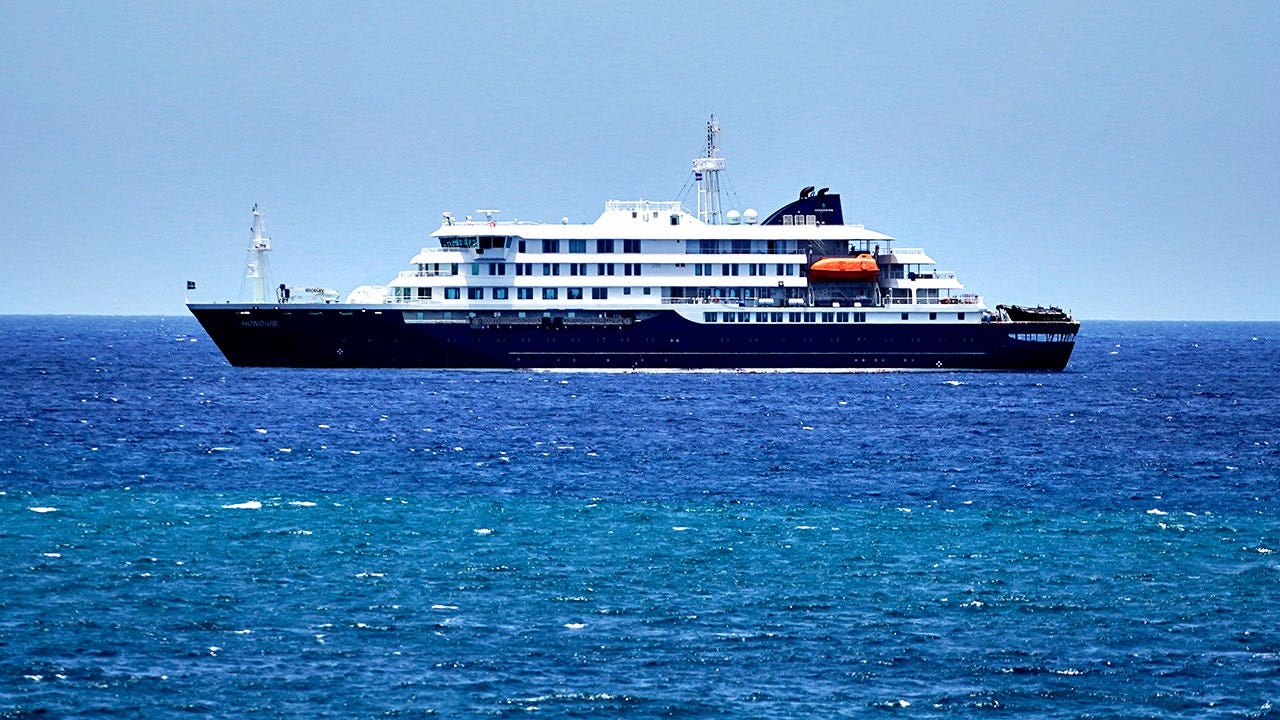
A World Health Organization inquiry is under way after an outbreak of suspected hantavirus aboard a Dutch cruise ship left three passengers dead and several others ill. Investigators are probing how the infections occurred, whether rare human-to-human spread took place, and how authorities are managing passengers and port arrangements.
The ship in question, MV Hondius, was carrying nearly 150 people on a long polar voyage from Argentina toward Antarctica and nearby islands. Cases emerged mid-voyage, prompting immediate containment measures and a pause while clinicians and public health teams sorted out what happened.
WHO officials reported that two infections have been confirmed by laboratory testing and that five more suspected cases are still under investigation. Of those identified, three people have died and one is receiving intensive care in South Africa, which has taken a patient for advanced treatment.
Hantaviruses normally spread when humans touch or breathe in particles from rodent urine, droppings, or saliva, so investigators first look for rodent exposure as the likely source. The Andes variant has been the only form known to allow limited person-to-person spread, so that possibility shapes the current probe.
“We do believe that there may be some human-to-human transmission that’s happening among the really close contacts, the husband and wife, people who have shared cabins,” Maria Van Kerkhove, WHO director of epidemic and pandemic preparedness and prevention, told reporters in Geneva. That remark has focused attention on those who shared intimate spaces aboard the vessel.
“Some people on the ship were couples, they were sharing rooms so that’s quite intimate contact,” she added, emphasizing close contact as the likely setting for any spread. Investigators are concentrating on cabin mates and immediate contacts to map chains of transmission.
The WHO said the ship’s operators reported no rats aboard, which shifted the initial working hypothesis toward infections acquired before boarding. Authorities believe the couple who died may have been exposed while in Argentina, and tracing their recent movements is part of the inquiry.
Passengers were instructed to remain in their cabins while the vessel underwent disinfection and other control measures, and shipboard staff limited movement to reduce any further risk. That approach aimed to protect people on board and buy time for testing and clinical decisions.
Medical teams are coordinating with regional authorities to decide when it will be safe for those needing care to disembark and receive treatment ashore. Officials are balancing the urgency of evacuating ill passengers with the need to prevent any potential spread at port.
Van Kerkhove also outlined the current navigation plan, saying the ship was expected to keep heading east. She stated the plan for now is for the ship “to continue on to the Canary Islands.”
“We’re working with Spanish authorities, who will welcome the ship,” she said, describing arrangements under negotiation to receive the vessel and manage any necessary medical transfers. That handoff will determine how swiftly patients can be moved ashore for further care.
Public risk is still judged to be low, according to WHO commentary, but the situation highlights how unusual events at sea can create complex public health puzzles. Authorities are using a mix of laboratory testing, contact tracing, and careful logistics to resolve what happened and to move affected people to appropriate care.
