
The Democratic Party’s internal rebels are running the show, and Tuesday’s contests made that painfully clear: a celebrated meeting in Washington and a string of primary results signal an establishment that no longer calls the shots. This piece walks through the key moments, the players who now matter, and what it means for the general election landscape. Expect blunt reality: the party that once managed its factions has been overtaken by louder, more radical forces that don’t need the old crown jewels of endorsements or cash. The stakes are high, and Republicans should be paying attention.
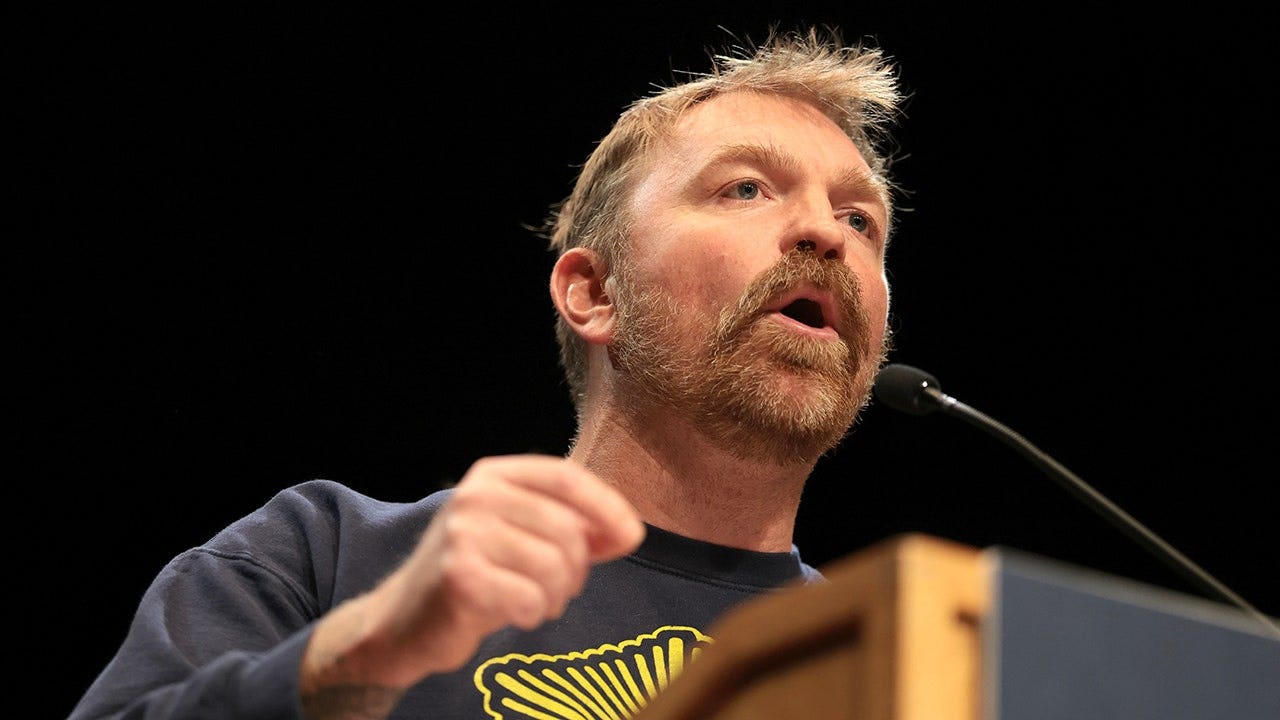
In Maine, a high-profile meeting in D.C. looked less like damage control and more like a party-wide stamp of approval. Senate leaders gathered around a controversial nominee and instead of cutting him loose they framed him as their path to winning back power. That scene tells you everything about where the party is right now: out of the old playbook and into a new, unpredictable era.
Senate Minority Leader Chuck Schumer offered a clear, confident line after the meeting when he said, “I met with Graham Platner today. We’re going to beat Susan Collins and take back the Senate.” That exact sentence showed the establishment trying to paper over scandals and extremes with bold promises. It’s a sign that the leadership prefers cohesion to accountability, even when the candidate is toxic for swing voters.
Forget the old one-call rule where a party boss could end a run with a single phone call. Those mechanisms are gone because the insurgent wing has its own funds, its own celebrity backers, and its own media. When fundraising, endorsements, and messaging flow from a separate power center, the old controls break down fast.
The new coalition feeds on culture-war energy and populist rage, not pragmatic electoral math. Progressive billionaires and digital influencers now bankroll and amplify names the old guard can’t touch. That shift matters because it changes who a party listens to and who they think will win on the national stage.
Look beyond Maine to local contests and you see the same pattern: candidates with extreme ties or positions making serious runs. In New Jersey, one nominee’s record raised real questions about national security and judgment, yet primary voters kept moving. When radical candidates survive vetting and the party doesn’t intervene, you’re watching a structural change take hold.
Moderates who once warned about this drift now sound isolated and exasperated. Figures like John Fetterman have been raising alarms, but their influence is shrinking against a louder, more organized base. That disconnect creates strange ticket-building decisions that could hurt Democrats in competitive states come November.
The old playbook that stopped Bernie Sanders in past cycles looks outdated. Back then party elders could nudge primaries and consolidate around a single alternative. Today’s insurgents don’t rely on the apparatus or crave its validation; they build their own lanes and win on different terms.
Compare this to the Republican realignment a decade ago when Donald Trump reshaped the GOP. The conservative establishment lost control and had to adapt or be replaced. The Democrats are experiencing their own version of that collapse now, with different players but the same outcome: a party reinventing itself from the inside out.
This transformation matters for presidential politics because the nominees who thrive in primaries are often the hardest to win general elections with. Voters in swing states respond to electability, not purity tests, and a ticket that leans too far left will face steep headwinds. Republicans can exploit that gap between primary energy and general-election realities.
There’s also an ideological element: the party’s shift toward open wealth-redistribution rhetoric and aggressive identity politics alienates center voters. When mainstream economic messages are replaced by slogans that sound punitive or divisive, independents and moderates look elsewhere. That’s exactly the opening Republicans need to broaden their appeal.
Establishment figures still try to manage optics and reassure donors, but their control is superficial. Endorsements from old leaders no longer guarantee victory or silence dissent. The result is a party that appears unified in public but is driven by a different set of incentives behind the scenes.
For Republicans this is both a warning and an opportunity: warning because a radicalized opponent can be unpredictable at scale, and opportunity because those same extremes are potent political vulnerabilities. Campaigns that make this contrast clear can turn primary chaos into general-election gains. The map of competitive states changes when one side drifts toward the fringes.
Ultimately, Tuesday didn’t just produce a few strange winners; it confirmed a broader realignment inside the Democratic Party. Leaders who once disciplined their ranks are now assenting to candidates who energize the base but repel the center. That shift will shape campaigns, turnout, and messaging all the way to the next presidential cycle.
